DHL restores Gulf network, but airlines stay wary after latest strikes
The recovery of air cargo operations in the Gulf has been thrown into fresh uncertainty ...

VW: THE IMPACT VW: MASSIVE JOB CUTS CONFIRMEDEXPD: BULLISHCHRW: POSITIONING AHEAD OF EARNINGSAMZN: IN THE NUMBERSAMZN: PEOPLE MATTER UNTILVW: THE LAST CUT IS THE DEEPESTJBHT: GEARING UP VW: BUYING TIMER: BIG VOTE OF CONFIDENCEAAPL: BEARISH HEDGEYE AAPL: THE BEAR CASEFDX: LIFE SCIENCES ORG UNVEILEDWTC: UPS AND DOWNSWTC: ASX ANNOUNCEMENT REGARDING DSV PARTNERSHIP VW: D-DAY
VW: THE IMPACT VW: MASSIVE JOB CUTS CONFIRMEDEXPD: BULLISHCHRW: POSITIONING AHEAD OF EARNINGSAMZN: IN THE NUMBERSAMZN: PEOPLE MATTER UNTILVW: THE LAST CUT IS THE DEEPESTJBHT: GEARING UP VW: BUYING TIMER: BIG VOTE OF CONFIDENCEAAPL: BEARISH HEDGEYE AAPL: THE BEAR CASEFDX: LIFE SCIENCES ORG UNVEILEDWTC: UPS AND DOWNSWTC: ASX ANNOUNCEMENT REGARDING DSV PARTNERSHIP VW: D-DAY
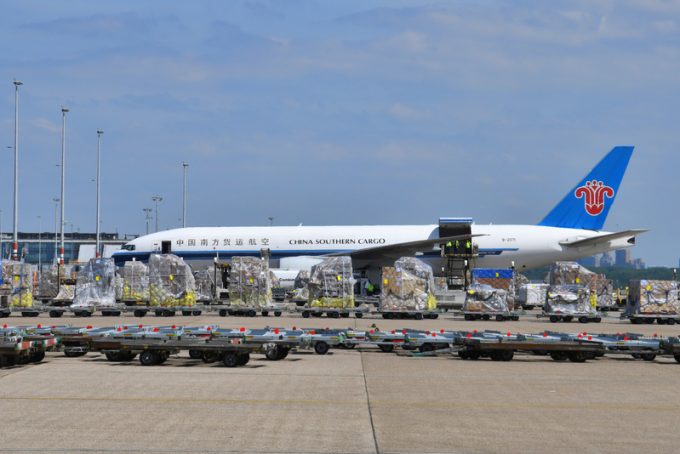
European carriers may be eyeing with envy the US Department of Transportation (DOT) proposal to bar Chinese airlines from flying over Russian airspace on routes to the US, but it may prove counter-productive, a senior air cargo industry source has warned.
The backdrop to such action is that, following the invasion of Ukraine in 2022, countries placed sanctions on Russia and its airlines. In retaliation, Russia limited access to its airspace to just a few nations and carriers.
US airlines have long criticised a situation which for the the past three-and-a half years has allowed Chinese carriers operating routes to the US to enjoy shorter journey times, lower fuel consumption, and higher payloads.
European carriers, as well as those from other nations that operate Asia-Europe routes and governments that support sanctions against Russia, have also complained of being at a competitive disadvantage.
“The current situation has indeed caused a significant impact – on service offering, costs, complexity, and on the environment. And of course it creates an uneven playing field,” Glyn Hughes, director-general of the International Air Cargo Association (TIACA) told The Loadstar.
He said the sanctions on Russia hadn’t really had their desired effect, but had weighed heavily on the operating costs of some global airlines.
“However, as an industry association, we feel politics should not interfere with international safety or the efficient global network of aviation crucial for society and the global economy.
“What the US is proposing will create an ancillary antagonistic situation between the US and the third countries. A US-proposed bar on Chinese carriers using Russian airspace could be counter-productive.”
In total, 24 carriers from 13 countries are estimated to overfly Russian airspace, although it’s not clear how many, apart from the Chinese airlines, do so en route to the US.
“I think you can assume it won’t stop there,” added Mr Hughes. “Retaliatory measures will be considered by those 13 states on US-registered airlines.
“I fully recognise the negative impact that US and EU carriers have experienced, and sympathise. More efforts should have been made by those states to avoid this impact. But my concern is that these carriers will suffer further impacts from the third countries the US wants to now target.”
Lufthansa Cargo agreed the Russian situation had disadvantaged European carriers. A spokesperson said: ‘The balance of international competition within the aviation industry is shifting. European airlines are in an unequal competitive position with non-European airlines due to steadily rising levies and fees, high regulatory requirements and one-sided climate policy requirements.
‘Airlines from other countries benefit from lower location costs, different social standards and high government investment in the aviation sector. For more than two years European and American airlines could not use Russian airspace, resulting in longer routes result and in further cost disadvantages. This imbalance is intensifying international competition at the expense of EU airlines.’
A spokesperson for Air France KLM Martinair Cargo told The Loadstar the airline group “generally commits to a joint approach through Airlines for Europe (A4E) on regulatory and competitive matters affecting European carriers, including overflight rights and potential competitive advantages.”
An A4E spokesperson told The Loadstar: “The EC should take action not to allow airlines en route to destinations in Europe from using Russian airspace overflight,” and declined to comment further.
IAG and Cargolux were also approached by The Loadstar for comment.
However, one cargo carrier keen to underline its position on the issue is Azerbaijan-based Silk Way West Airlines. president and CEO, Wolfgang Meier, told The Loadstar: “We have not overflown Russian airspace since the end of February 2022.
“We have no comment to make on affairs concerning the US and China nor between China and the EU. We do not see ourselves as being at a competitive disadvantage in relation to any other carrier, given our geographical location at the crossroads between east and west.”
For uninterrupted access, sign in or sign up to The Daily News, Premium or The Loadstar Enterprise Plan.

Comment on this article