Cargo theft 'way way up' as crime gangs get ever more sophisticated
Global cargo theft is escalating in both scale and complexity, with trucks accounting for the ...


VW: THE IMPACT VW: MASSIVE JOB CUTS CONFIRMEDEXPD: BULLISHCHRW: POSITIONING AHEAD OF EARNINGSAMZN: IN THE NUMBERSAMZN: PEOPLE MATTER UNTILVW: THE LAST CUT IS THE DEEPESTJBHT: GEARING UP VW: BUYING TIMER: BIG VOTE OF CONFIDENCEAAPL: BEARISH HEDGEYE AAPL: THE BEAR CASEFDX: LIFE SCIENCES ORG UNVEILEDWTC: UPS AND DOWNSWTC: ASX ANNOUNCEMENT REGARDING DSV PARTNERSHIP VW: D-DAY
VW: THE IMPACT VW: MASSIVE JOB CUTS CONFIRMEDEXPD: BULLISHCHRW: POSITIONING AHEAD OF EARNINGSAMZN: IN THE NUMBERSAMZN: PEOPLE MATTER UNTILVW: THE LAST CUT IS THE DEEPESTJBHT: GEARING UP VW: BUYING TIMER: BIG VOTE OF CONFIDENCEAAPL: BEARISH HEDGEYE AAPL: THE BEAR CASEFDX: LIFE SCIENCES ORG UNVEILEDWTC: UPS AND DOWNSWTC: ASX ANNOUNCEMENT REGARDING DSV PARTNERSHIP VW: D-DAY
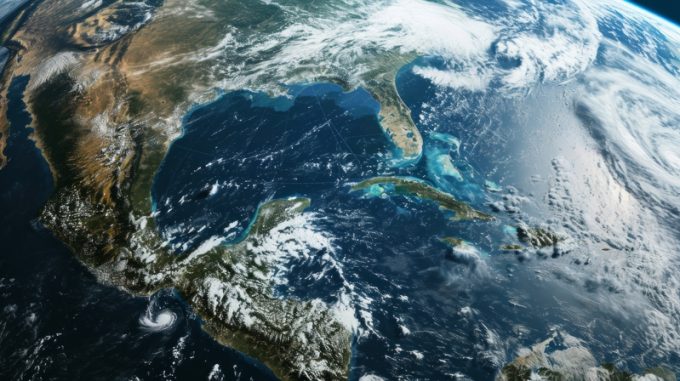
Meteorologists have been warning of the likely impact of the weather on perishables exports from Latin America this year – so far, some crops have been hit, but the worst is expected yet to come.
Warnings about a looming “Super El Niño” have resonated since late last year. The periodic climate event, caused by sea temperatures along the equatorial Pacific rising by 0.5ºC or more above average over several months, is more pronounced this year, with ocean surface temperatures elevated more than 2ºC, threatening to bring heat waves, droughts, and floods.
Peru’s asparagus crop, one of the nation’s signature exports, has been an early victim, with exports down about 30% from last year. According to one producer, this has doubled prices.
In March, when the strength of El Niño was relatively moderate, it had nevertheless destroyed some 6,000 ha of northern Peruvian fruit crops, according to the Association of Agricultural Producers Guilds of Peru.
Beyond decimating growing areas and yields, the weather has also affected the quality of crops. A large part of Peru’s asparagus harvest fell below the preferred export specifications for European markets, as the elevated temperatures resulted in thinner asparagus spears.
Avocado exporters from Colombia have seen a large percentage of the fruit smaller than normal. Export volume has fallen, with the impact of reduced output exacerbated by increased labour costs and a higher exchange rate of the Colombian peso vis-à-vis the dollar and the euro. By some estimates, this year’s growing season could reduce the export volume by as much as 50%.
Other regions and crops have fared better.
“While we have seen reports of weather-related impacts on certain perishables, the effect is not uniform across the region and commodity groups,” reported Enrica Calonghi, director South America of Air France KLM Martinair Cargo
“Weather events are causing localised disruptions in the Andean countries of Colombia and Ecuador, particularly for flowers and other high-value perishables, but there is no evidence of a broad collapse in perishables exports or airfreight demand,” she continued.
Overall volumes and pricing have not suffered broad decline, she added. “Demand-capacity balance and outbound rates show a mixed impact rather than a clear upward or downward trend.”
Some regions in South America actually stand to benefit from El Niño. Hedgepoint Global Markets noted that increased rainfall during spring and summer should favour the development of soybean and corn crops in southern Brazil, Paraguay, Uruguay, and Argentina.
And different crops in one region may also be affected differently.
“While El Niño has negatively affected Peru’s mango and asparagus production and delayed seasonal campaigns, the strong growth in blueberry exports is largely offsetting the impact on cargo volumes and load factors,” Ms Calonghi said.
“Demand remains healthy, bookings are strengthening, albeit later than planned,” she summed up the situation.
On the other hand, the shift in seasonal patterns increases uncertainty and makes planning more difficult. The Peruvian Blueberry Growers & Exporters Association has shifted from a full season forecast to rolling short-term projections.
Typically, El Niño effects tend to become stronger in the latter half of the year. In light of the perceived magnitude of this year’s event, there is a chance that lingering effects will be still be in play early next year.
This looks ominous for Chile’s cherry season, which typically runs from November through February. According to meteorologists, South America’s largest cherry producing nation could see heavy rains followed by hail during bloom in the September-October window, followed by more rain during November and December.
Insurer TT Club warns of wider repercussions beyond the perishables sector that could affect global supply chain. It urged supply chain operators to review their risk management and resilience strategies, warning that a super El Niño is not just a weather event, but a systemic risk multiplier.
“The trajectory of this El Niño event demands that the logistics and supply chain community takes a proactive rather than reactive approach. The question is not whether disruption will occur, but how prepared organisations are to anticipate and respond to it,” stressed risk assessment manager Neil Dalus.
For uninterrupted access, sign in or sign up to The Daily News, Premium or The Loadstar Enterprise Plan.

Comment on this article