Scale or specialisation? DSV and K+N chart different paths to forwarding success
The world’s two largest freight forwarders appear to be pursuing increasingly different paths to growth. Acquisitive DSV has placed ...

UPS: EARNINGS BEATWTC: REGAINING PRIDE TFII: EARNINGS BEATCHRW: PUMMELED DSV: LACK OF TRUST WEIGHSDHL: NEW HIGH DHL: E-COMM DEAL SIGNEDF: NEW PROFIT STREAMCHRW: HEALTHY CORRECTIONDSV: TIME TO BUY INWTC: NO LUCKCHRW: 'NUCLEAR VERDICT'
UPS: EARNINGS BEATWTC: REGAINING PRIDE TFII: EARNINGS BEATCHRW: PUMMELED DSV: LACK OF TRUST WEIGHSDHL: NEW HIGH DHL: E-COMM DEAL SIGNEDF: NEW PROFIT STREAMCHRW: HEALTHY CORRECTIONDSV: TIME TO BUY INWTC: NO LUCKCHRW: 'NUCLEAR VERDICT'
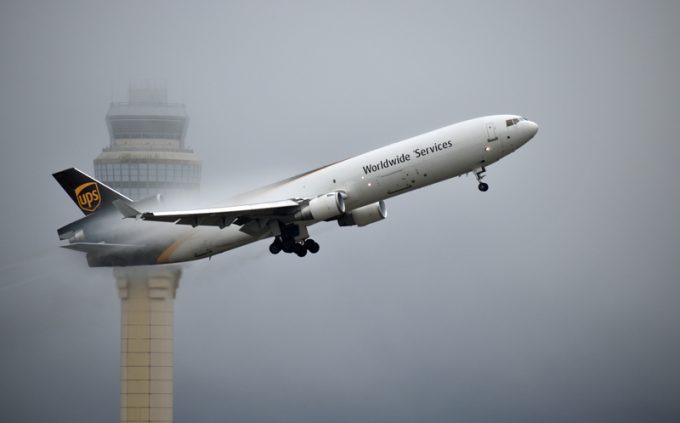
UPS has completed the retirement of its MD-11 freighter fleet, after grounding the aircraft during Q4 25 and taking a $137m after-tax non-cash charge linked to the write-off of the fleet.
The move was disclosed during UPS’s Q4 earnings call yesterday, when CEO Carol Tomé said the company would replace much of the MD-11 capacity with “new, more efficient Boeing 767 aircraft”, as part of a wider modernisation programme.
CFO Brian Dykes added UPS had “proactively grounded” its MD-11 fleet during the fourth quarter, after the tragic crash, and used the flexibility of its integrated network to operate through peak season.
He said UPS had repositioned aircraft from other parts of the world to the US, leased additional aircraft to meet capacity needs, and increased the amount of volume moved on the ground.
“Learnings from operating during peak season, we made the decision to accelerate the retirement of our MD-11 fleet,” Mr Dykes added.
(You can read more about the future for MD-11Fs in Loadstar Premium here)
UPS expects delivery of additional 767s over the next 15 months, stepping-down use of leased aircraft as the new capacity comes into service, said Mr Dykes.
Ms Tomé said UPS’s airline remained “a key part of our network” and the MD-11 retirement formed part of a “systematic programmatic approach” to modernising its global air fleet.
The fleet changes come as UPS continues to reduce Amazon volumes moving through its network, under what Ms Tomé called an “Amazon accelerated glide-down plan”.
UPS has already reduced Amazon volume in its network by around 1m pieces a day, and Ms Tomé said the company intended to “glide-down another 1m pieces a day” during 2026.
The integrator is now in the final six months of the plan to reduce Amazon volume by 50% over an 18-month period, while reconfiguring operations in line with lower volumes.
The Amazon pullback is also showing up in air volumes. Mr Dykes said total air average daily volume in the quarter was down 11.9%, “driven by the glide-down of Amazon”.
However, UPS also pointed to continued investment in its international air network. A new UPS air hub in the Philippines is slated to open towards the end of this year, and expansion in Hong Kong remains on track to open in 2028.
UPS’s decision to retire the MD-11 fleet, shift to more efficient freighters, and continue pulling back Amazon volume underlines how integrators are adjusting their air cargo operations as they reshape networks around changing demand and profitability priorities, as noted recently in The Loadstar.
Meanwhile, UPS’s latest earnings results were mixed, compared with a year ago. The company reported Q4 revenue of about $24.5bn, slightly below some $25.3bn it posted in the same period of 2024. At the same time, profits edged up, with earnings per share of $2.38 beating expectations, and slightly higher than the prior year’s comparable results. Full-year 2025 revenue was $88.7bn, which UPS expects to rise this year, to $89.7bn.
Shares rose on the earnings beat, though revenue and some volume metrics remain below year-ago levels as the company adjusts to lower overall parcel demand and the ongoing network realignment.

For uninterrupted access, sign in or sign up to The Daily News, Premium or The Loadstar Enterprise Plan.
Comment on this article