CMA CGM orders six vessels from Cochin as part of India investment
CMA CGM has formally committed to a container shipbuilding programme in India, after chief executive ...


VW: THE IMPACT VW: MASSIVE JOB CUTS CONFIRMEDEXPD: BULLISHCHRW: POSITIONING AHEAD OF EARNINGSAMZN: IN THE NUMBERSAMZN: PEOPLE MATTER UNTILVW: THE LAST CUT IS THE DEEPESTJBHT: GEARING UP VW: BUYING TIMER: BIG VOTE OF CONFIDENCEAAPL: BEARISH HEDGEYE AAPL: THE BEAR CASEFDX: LIFE SCIENCES ORG UNVEILEDWTC: UPS AND DOWNSWTC: ASX ANNOUNCEMENT REGARDING DSV PARTNERSHIP VW: D-DAY
VW: THE IMPACT VW: MASSIVE JOB CUTS CONFIRMEDEXPD: BULLISHCHRW: POSITIONING AHEAD OF EARNINGSAMZN: IN THE NUMBERSAMZN: PEOPLE MATTER UNTILVW: THE LAST CUT IS THE DEEPESTJBHT: GEARING UP VW: BUYING TIMER: BIG VOTE OF CONFIDENCEAAPL: BEARISH HEDGEYE AAPL: THE BEAR CASEFDX: LIFE SCIENCES ORG UNVEILEDWTC: UPS AND DOWNSWTC: ASX ANNOUNCEMENT REGARDING DSV PARTNERSHIP VW: D-DAY
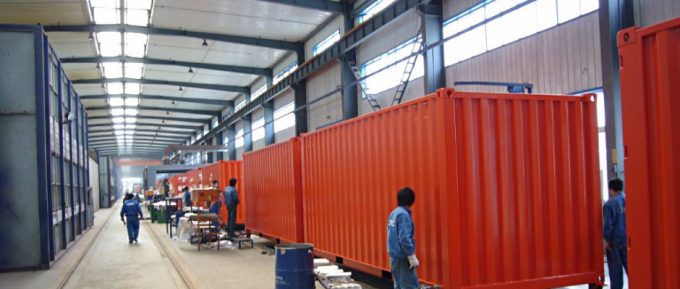
The US/Israel-Iran war will support short-term demand for containers, as shipping lines adjust to the disruption to Persian Gulf connections, according to China International Marine Containers (CIMC) chairman Mai Boliang.
At a post-earnings press conference, he added that over the longer term, stable demand growth would continue as trade in emerging markets increased.
CIMC’s 2025 net profit of $191m was down 68% on 2024, due to an oversupply of containers – sales of dry boxes fell 35%, to 2.22m teu.
However, continued growth in cold chain logistics saw the world’s largest container maker’s reefer sales rise 50%, to 200,820 teu.
“The current global trade is affected by multiple uncertain factors, such as geopolitics and key shipping lane traffic, which will also affect shipping efficiency and container turnover, intensify short-term market demand fluctuations, and increase container demand significantly in the near future,” Mr Mai said.
“The conflict in the Middle East means shipping lines will continue to route their vessels around Africa on their way to Europe.
“In the long run, containers are still the most important and advanced tool for world trade, and there is no substitute – although the growth rate of global trade has slowed down – but the trade growth rate of emerging economies in Asia, Africa and South America has accelerated, and the demand for containers will continue to grow.”
Indeed, the global container fleet is expected to exceed 70m teu by 2029, with at least 2m-3m teu being replaced annually.
Container Trades Statistics data show global container trade last year grew 4.7% over 2024, to 192.9m teu, while Clarksons expects box volumes to grow 2.5% this year.
For uninterrupted access, sign in or sign up to The Daily News, Premium or The Loadstar Enterprise Plan.

Comment on this article