Transpacific the top earner as a strong Q2 boosts OOCL revenue
OOCL’s second-quarter trading update has reinforced signs of a stronger-than-expected container shipping market, the carrier ...

TSLA: JUST AS VW STRUGGLESBA: NEW BIG ORDERBA: THE ORDERBOOK GROWSPLD: PUSHING FOR A DEAL PLD: TIME TO DEALEXPD: ANOTHER ALL-TIME HIGH CHRW: NEW RECORD DSV: AHEAD OF EARNINGS RELEASE JBHT: NEW HIGHS EVERYWHEREPLD: STRONG DELIVERYJBHT: FAIR-VALUE CONSENSUS ESTIMATE AT ALL-TIME HIGH KNIN: AI TECH ADVANTAGEPLD: TRADING UPDATE ON THE WAY KNIN: UPSIDE
TSLA: JUST AS VW STRUGGLESBA: NEW BIG ORDERBA: THE ORDERBOOK GROWSPLD: PUSHING FOR A DEAL PLD: TIME TO DEALEXPD: ANOTHER ALL-TIME HIGH CHRW: NEW RECORD DSV: AHEAD OF EARNINGS RELEASE JBHT: NEW HIGHS EVERYWHEREPLD: STRONG DELIVERYJBHT: FAIR-VALUE CONSENSUS ESTIMATE AT ALL-TIME HIGH KNIN: AI TECH ADVANTAGEPLD: TRADING UPDATE ON THE WAY KNIN: UPSIDE
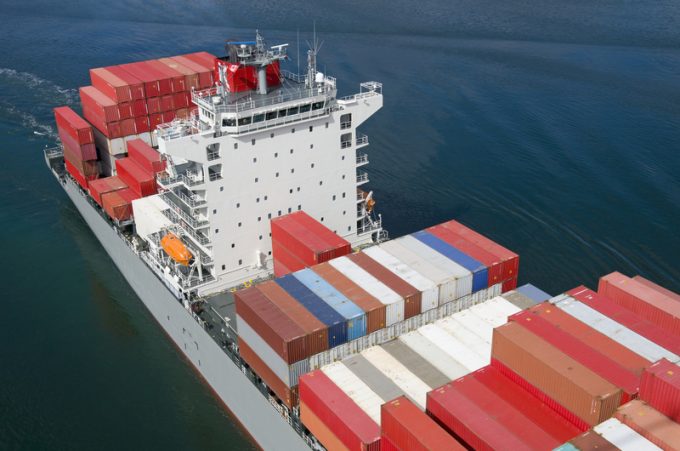
Container shipping remains effectively at “full employment”, despite the disruption in the Middle East, but diverted tonnage and network upheaval is tightening supply and supporting charter markets, according to Alphaliner.
Nine weeks after the start of military action in the Gulf, commercially idle container capacity remains exceptionally low: although the idle fleet briefly exceeded 1% of global capacity for the first time in more than two years, it has since fallen back to just 0.7%.
At this level, Alphaliner says, the liner sector is “under full employment” with zero “structural” idling – however, this apparent stability masks significant operational strain.
Most carriers have been forced to adapt their networks, and these operational changes have helped keep tonnage supply tight. Diverted and rescheduled sailings, along with vessel detours and delays, are “artificially” inflating tonnage demand, according to Alphaliner.
A key factor is the growing number of ships directly impacted by the conflict, but not counted as commercially idle. As of 20 April, at least 58 containerships, representing around 310,000 teu, had diverted or taken shelter due to the conflict. With widespread AIS transponder deactivation, the true number could be higher.
Because these ships are not “available” for revenue service, this forced inactivity is further draining overall tonnage supply.
Alphaliner’s latest count shows 81 ships, for 235,705 teu, as commercially idle, while capacity tied up in dry-dock declined by nearly 150,000 teu over the past fortnight, to141 units, 656,707 teu. Combined, the idle and “in-yard” fleet accounts for 2.7% of global capacity.
Meanwhile, the containership charter market has remained largely bullish and, according to Alphaliner, continues to “largely ignore the events in the Middle East”.
While fixing activity eased over the past two weeks, this reflected a shortage of available ships rather than weaker demand. The “relative ease” with which prompt sublets are being fixed underlines the strength of the market, reported the consultant.
Charterers continue to show interest across all vessel sizes, including tonnage for forward delivery, `and rates remain firm across all segments – “even edging up slightly for some ship types”.
And in the sale and purchase market, activity has picked up, with strong buying interest, again across most vessel sizes.
Braemar said: “CMA CGM continues to stay active, with a clear focus on Chinese owners and newbuildings coming out of yards that are not always the usual, well-established container names.
“But in a market where there is simply very little available in the larger segments, it’s a case of taking what is there,” it added.
Transactions continue to be concentrated in the feeder sector, which Braemar notes “makes up the bulk of sales”, as it is the only segment with any “remotely prompt candidates”.
Meanwhile, the demolition market remains subdued. Alphaliner reported “no new transactions” over the past fortnight, leaving prices firm and unlikely to weaken in the near term.
Rolf Habben-Jansen, CEO of Hapag-Lloyd, explained: “One of the reasons why scrapping is so low is that we have come out of a bunch of good years where chartering capacity was incredibly tight, and that means the charterers typically close very profitable deals for three, four, or five years.
“And of course, people don’t scrap those ships if you still have to pay $40,000 a day for the next three years, right? And then you’ll at least be able to make some money. “
Inside the industry’s AI shift
Complete The Loadstar’s ‘State of AI in the Supply Chain’ survey — and receive the full report and data before release.
For uninterrupted access, sign in or sign up to The Daily News, Premium or The Loadstar Enterprise Plan.
Comment on this article