Logistics and resilience are key as Saadé warns supply chain disruption is 'new normal'
CMA CGM chairman and CEO Rodolphe Saadé has outlined how the French shipping giant is ...


VW: D-DAYPLD: KEEP PUSHINGDHL: NEW AIR SERVICEDHL: GUIDANCE UPGRADE REACTIONDHL: NEW HIGH TARGET ON THE STREET DSV: EXPECTATIONS RUN HIGH KNIN: DHL GUIDANCE UPGRADE READ-ACROSSKNIN: NEW OPENINGGM: TECH UPSIDEAMZN: BIG DEBT FUNDING ON ITS WAYDHL: 'STELLAR EXPRESS'DHL: UPDATEDHL: STRONG PRELIMINARY UPDATE CHRW: STILL VERY BEARISH
VW: D-DAYPLD: KEEP PUSHINGDHL: NEW AIR SERVICEDHL: GUIDANCE UPGRADE REACTIONDHL: NEW HIGH TARGET ON THE STREET DSV: EXPECTATIONS RUN HIGH KNIN: DHL GUIDANCE UPGRADE READ-ACROSSKNIN: NEW OPENINGGM: TECH UPSIDEAMZN: BIG DEBT FUNDING ON ITS WAYDHL: 'STELLAR EXPRESS'DHL: UPDATEDHL: STRONG PRELIMINARY UPDATE CHRW: STILL VERY BEARISH
A cluster of shocks is forcing freighter operators to finely balance their global capacity – and battle for more.
Geopolitics, humanitarian emergencies, tightening regulation, and a structural shortage of freighter capacity have combined to reshape how airlines deploy cargo fleets.
The latest weekly data from Rotate shows global cargo capacity slipped just 2%, but beneath the headline figure aircraft are being rapidly repositioned between markets.
Freighter capacity between Europe and South America rose 12% week on week – while Asia-Europe fell 9% – among other big shifts.

Source: Rotate
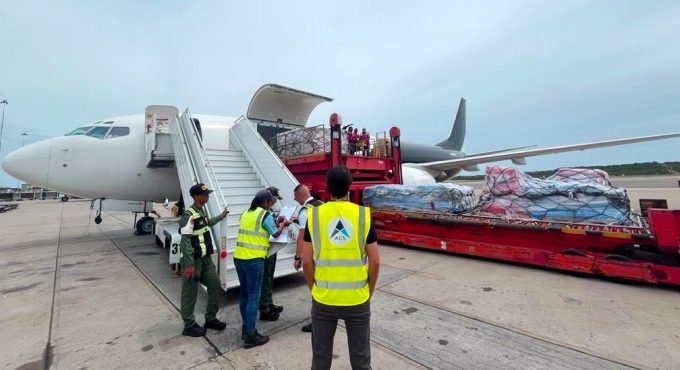
One obvious destination for that additional capacity is Venezuela, where the humanitarian response to the devastating earthquakes of 24 June continues to gather pace.
Amazon this week announced it would operate seven weekly humanitarian flights into Caracas using its Amazon Air Cargo network, donating aircraft and fuel through a partnership with Airlink, the UN World Food Programme, and the US State Department.
The initiative adds to an expanding airlift that has already seen TAP Air Portugal resume flights to Venezuela carrying almost nine tonnes of medical supplies, while Air Charter Service has organised multiple freighter charters transporting communications and medical equipment, shelters, hygiene kits, and even a field hospital.
At the same time, Europe is experiencing a different kind of adjustment.
Despite expectations that shippers would accelerate imports before the EU introduced a €3 customs fee on low-value imports from 1 July, there was little evidence of the front-loading seen ahead of the similar change in the US.
According to WorldACD, air cargo volumes from China and Hong Kong to Europe fell 8% and 9%, respectively, in the final full week before the new rule took effect, contributing to a 7% week-on-week decline in Asia Pacific-Europe tonnage. Spot rates eased 2%, to $5.26 per kg, although they remain 38% above last year’s levels.
WorldACD suggested the relatively muted reaction reflected lessons learned following the removal of US de minimis exemptions, with lower-cost customs declaration solutions helping ecommerce operators absorb much of the additional administrative burden.
The softer Asia-Europe market coincides with Rotate’s latest figures showing lower freighter capacity on the lane, although it remains too early to determine whether the new customs regime will have a lasting impact on demand.
What is becoming clearer is that airlines have little spare capacity with which to respond to rapidly changing market conditions.
Speaking during yesterday’s Flexport webinar, Atlas Air chief commercial officer Richard Broekman said the carrier would add no aircraft to its fleet this year, explaining:“This year is the first in many, many years that we are not adding aircraft to our fleet, and that’s really just a function of no availability out there.” He added that there remained “a disconnect between demand on the one side and supply on the other”.
He also warned that delays to new passenger aircraft deliveries were preventing older widebodies from entering passenger-to-freighter conversion programmes – extending the shortage of dedicated freighter capacity.
An the shortage is increasingly influencing how airlines pursue growth.
Last week, Saudia Cargo announced plans to add four 777-200 freighters as the first stage of a programme to double its dedicated cargo fleet, while China Southern Air Cargo confirmed it was to introduce three 777-300ERSF converted freighters.
Others are looking beyond aircraft orders to partnerships and minority stakes to boost short-term capacity.
Atlas Air recently agreed to acquire a 49% stake in Icelandic ACMI operator Air Atlanta, gaining strategic access to a fleet of 14 widebody freighters, alongside its own order for 20 A350Fs. Chief executive Michael Steen described the transaction as part of the company’s “disciplined approach to strategic growth in a structurally constrained widebody freighter aircraft market”.
And then, of course, there is CMA CGM’s giant deal with FedEx, which includes cooperating on “select air cargo capacity solutions”, suggesting the French group will be able to tap into FedEx’s air capacity.
But the combination of fleet orders, acquisitions, and partnerships suggests airlines increasingly recognise that access to freighter capacity has become a strategic asset.
Carriers appear to be competing as much for access to aircraft, as for freight itself, a dynamic which will likely persist until new aircraft deliveries finally begin to ease the supply constraints later this decade.
This article is © The Loadstar. Reproduction, rewriting, or derivative use requires a license. Contact [email protected] for licensing enquiries.

For uninterrupted access, sign in or sign up to The Daily News, Premium or The Loadstar Enterprise Plan.
Comment on this article