Transpacific trades in unchartered water, with tariff uncertainty at the helm
A declining sales-to-inventory ratio in the US has been one of the key reasons behind ...

EXPD: AIRCRAFT ON GROUND SERVICESTSLA: JUST AS VW STRUGGLESBA: NEW BIG ORDERBA: THE ORDERBOOK GROWSPLD: PUSHING FOR A DEAL PLD: TIME TO DEALEXPD: ANOTHER ALL-TIME HIGH CHRW: NEW RECORD DSV: AHEAD OF EARNINGS RELEASE JBHT: NEW HIGHS EVERYWHEREPLD: STRONG DELIVERYJBHT: FAIR-VALUE CONSENSUS ESTIMATE AT ALL-TIME HIGH KNIN: AI TECH ADVANTAGEPLD: TRADING UPDATE ON THE WAY
EXPD: AIRCRAFT ON GROUND SERVICESTSLA: JUST AS VW STRUGGLESBA: NEW BIG ORDERBA: THE ORDERBOOK GROWSPLD: PUSHING FOR A DEAL PLD: TIME TO DEALEXPD: ANOTHER ALL-TIME HIGH CHRW: NEW RECORD DSV: AHEAD OF EARNINGS RELEASE JBHT: NEW HIGHS EVERYWHEREPLD: STRONG DELIVERYJBHT: FAIR-VALUE CONSENSUS ESTIMATE AT ALL-TIME HIGH KNIN: AI TECH ADVANTAGEPLD: TRADING UPDATE ON THE WAY
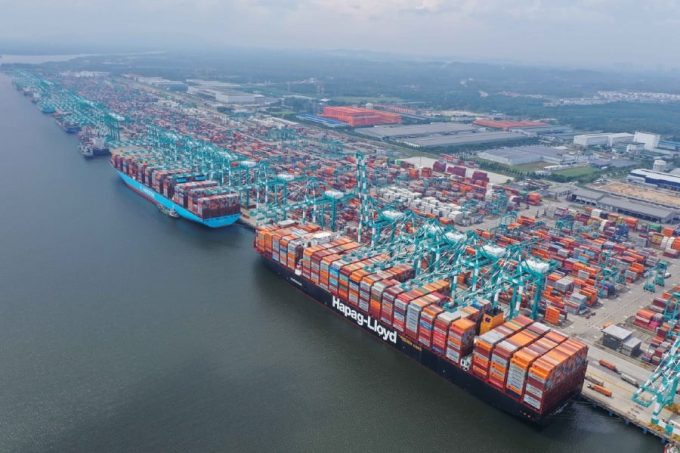
The Malaysian port of Tanjung Pelapas recorded the highest volume growth among the world’s 30 largest ports in the first half, cementing its position as the de facto global hub for the Gemini partners.
The facility – a joint-venture between Malaysia’s MMC Corp and Maersk-owned APM Terminals – saw volumes grow 15.4% year on year in the first six months of this year, to reach just over 6.87m teu, underscoring its role as the key node in the Gemini Cooperation network, serving Asia-Europe, Asia-Oceania and Asia-Middle East/India trades.
“At PTP, we are committed to maintaining consistently high productivity, even as volumes grow and demands intensify, such as those from the Gemini Cooperation network,” PTP CEO Mark Hardiman noted recently.
The South-east Asia container transhipment business is largely dominated by Singapore and Port Klang, along with PTP. While Gemini’s Asia-Europe headhaul volumes are entirely moved through PTP, the Ocean Alliance has split its South-east Asia transhipment calls between Singapore and Port Klang, while MSC and its Asia-Europe VSA partner, the Premier Alliance, hub at Singapore.
Although the most junior port of the three, the latest results show PTP quickly catching up with Port Klang – at this point last year, PTP volumes were some 1.2m teu below Port Klang’s, while this year the gap has narrowed to just under 500,000 teu.
“According to Mr Hardiman, Gemini volumes now represent around 60% of PTP’s throughput. By contrast, Malaysia’s largest gateway, Port Kelang, recorded growth of 2.9%,” Alphaliner said today in a research note.
Another beneficiary from the new Gemini network has been the German gateway of Hamburg, which after several years of declining North Europe market share, saw H1 25 volumes gain 9.3% on last year, to reach 4.2m teu.
“Growth was primarily generated by the Far East (+10.7%, notably from Malaysia which benefited from tariff-motivated transhipment, India and China) and the Baltic Sea (+20.8%, notably Denmark, Finland and Poland),” said Alphaliner.
“Calls by ships above 10,000 teu rose a hefty 50%, while those above 24,000 teu jumped 30%. The port’s volumes are still below pre-Covid levels, however.”
According to Hamburg Port Authority, transhipment traffic rose 23.8% in the period and, in combination with the 20.8% increase in traffic to non-Russian Baltic ports and rise in large vessel sizes, indicates the impact of the Gemini network planning, with Hamburg benefiting from the consortium’s new North European shuttle routes.
However, the port also recorded a 19.3% year-on-year decrease in shipments to the US, which it “attributed to the upheavals caused by the US administration’s trade policy”.
The second-highest growth in the top 30 was seen at India’s Nhava Sheva, which saw year-on-year growth of 15.2%, prompted by a general increase in trading volumes and, with new capacity recently opened, is poised for further growth this year.
“It follows the completion of Phase 2 at Bharat Mumbai Container Terminals in February, which will add 2.4m teu in capacity to the port, and take its total capacity to over 10m teu by 2027.
There were only two ports in the top 30 that saw declines: Hong Kong continued its long-term fall (analysed by Premium), losing another 3.2% year on year; while Taiwan’s main container port of Kaohsiung saw volumes drop 2.2%.
Meanwhile in the US, which has New York & New Jersey and the Los Angeles-Long Beach port complex in the top 30, first-half throughput figures indicate an increasing preference for using west coast ports.
“Shippers increasingly returned to ports on the US west coast in the first half of the year as the region reduced its congestion and the Red Sea crisis put added pressure on east coast gateways” Alphaliner said.
“The key west coast port of Los Angeles/Long Beach recorded throughput growth of 7.5% in the latest half-year period, to 9.7m teu – its highest January-June figure since 2022.
“By contrast, the east coast port of New York and New Jersey managed growth of 4.9%, to 4.4m teu for the first half of the year. July – which saw massive imports on both coasts as shippers tried to beat the imposition of tariffs – also saw higher growth for LA/LB than for NY/NJ.”
For uninterrupted access, sign in or sign up to The Daily News, Premium or The Loadstar Enterprise Plan.
Comment on this article