Hormuz traffic rises as US-Iran MoU sparks cautious optimism
Forwarders may be short of confidence following confirmation that the US and Iran have signed ...
WTC: ANOTHER DIFFICULT WEEK CHRW: NEW PRODUCT LAUNCHDSV: LEADING THE DROP RXO: CRATERINGDSV: WHAT TO LIKEDSV: BULLISH BAMZN: 'AI EDGE'HD: HERE IS HOW IT LOOKSAMZN: REG RISKMAERSK: MOST HARMED
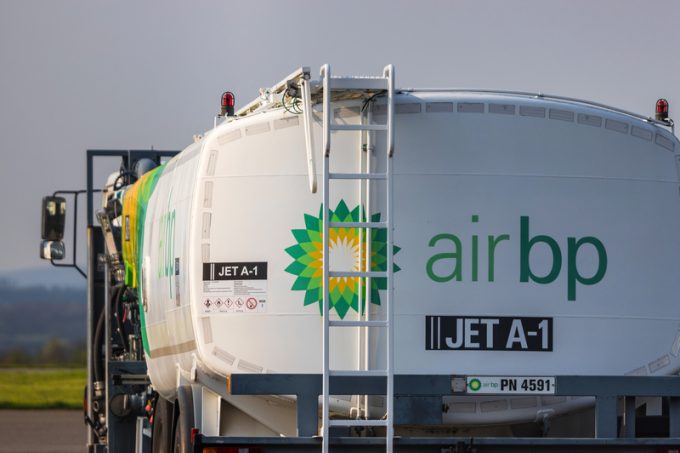
Airlines are cutting capacity and adjusting networks as jet fuel prices surge in the wake of Middle East tensions.
Meanwhile, airport operators warn that supply risks – though not yet fully materialising – are becoming increasingly visible.
The immediate problem for most carriers is cost rather than physical shortage, but the latest industry responses suggest fuel volatility is now feeding directly into network planning.
Cathay Pacific said over the weekend it would reduce passenger capacity through mid-May to the end of June, after fuel prices more than doubled in recent weeks, which it said had placed “huge cost pressure on airlines around the world”.
According to IATA data cited by the carrier, jet fuel prices have risen from around $99 per barrel at the end of February to more than $200 in early April. Cathay said it had already adjusted fuel surcharges, but these measures had “not been enough”, forcing it to consolidate around 2% of its passenger flights and extend suspensions on Middle East routes, including Dubai and Riyadh.
US carrier Delta has taken similar action, framing the current situation primarily as a price shock rather than a supply crisis. In last week’s earnings call, the airline said the “war in the Middle East has driven an unprecedented spike in jet fuel”, with prices roughly doubling earlier in the year.
Delta expects jet fuel to average around $4.30 per gallon in the second quarter, about double year-ago levels and adding more than $2bn in additional fuel costs to its original expectations.
In response, it is cutting capacity, particularly on lower-yield flying, noting that the best way to mitigate fuel costs is “not to purchase the fuel in the first place” if routes are unprofitable.
But, despite the sharp rise in costs, Delta said it currently saw no immediate supply issues, adding: “And we don’t see any over the next 30 days or so.”
Other major carriers are also responding tactically. United has reportedly reduced unprofitable flying and is raising ancillary fees as fuel costs rise.
One reason the reaction is so immediate is that the industry has less financial protection than it once did. US airlines largely abandoned fuel hedging years ago, leaving them more directly exposed to sudden moves in jet fuel prices. Delta’s refinery gives it a partial buffer on the refining margin, but most of its peers do not have an equivalent internal hedge.
Meanwhile, airport operators are taking a cautious view of the broader system.
In a letter dated 9 April to the European Commission, Airports Council International Europe warned that a prolonged disruption to fuel flows through the Strait of Hormuz could trigger a “systemic jet fuel shortage” within weeks, if conditions did not stabilise. The group highlighted Europe’s reliance on imported jet fuel and called for closer monitoring of supply chains, alternative sourcing options, and contingency planning.
While that warning reflects a worst-case scenario, individual airport systems are already stepping up monitoring of supply conditions.
In North America, the Alaska International Airport System (AIAS), which oversees Anchorage (ANC) and Fairbanks (FAI), has told carriers it is closely tracking developments in global fuel markets and Pacific supply routes. It described the current risk as “manageable, but worth watching carefully”.
AIAS noted that exposure to fuel disruption varied significantly between airlines, depending on their sourcing strategies, contractual arrangements, and network planning. As a result, any operational impact would likely be uneven, with some carriers adjusting uplift planning, technical stops, or schedules ahead of others.
“Airlines typically negotiate their own fuel supply arrangements directly with suppliers, so there is not a single uniform risk profile across all operators,” said Teri Lindseth, AIAS development manager.
Rather than preparing for a single system-wide disruption, AIAS told The Loadstar it was focusing on maintaining “operational flexibility”, including making greater use of its dual-airport structure.
Anchorage remains the primary international cargo hub, but Fairbanks is increasingly being positioned as a supplementary node, providing additional capacity during peak demand, construction periods, and winter weather disruptions.
The combined picture suggests an aviation sector under pressure from fuel costs, but not yet facing a widespread physical shortage.
Airlines are already adjusting capacity and pricing in response to higher fuel bills, while airports and industry bodies are preparing for potential disruptions that remain uncertain in both scale and timing.
For now, the immediate impact is being felt in airline networks and balance sheets. But with geopolitical tensions continuing to affect energy markets, the question for the industry is whether fuel volatility remains a cost challenge, or if it begins to translate into a broader supply constraint.
Check out today’s News in Brief podcast, featuring exclusive insight from Aevean!
For uninterrupted access, sign in or sign up to The Daily News, Premium or The Loadstar Enterprise Plan.
Comment on this article