Box ship attacked, Hormuz shut again, Middle East rates sail past pandemic peak
Gulf importers and their forwarders are once more turning to Middle East landbridge routes after ...


JBHT: NEW HIGHS EVERYWHEREPLD: STRONG DELIVERYJBHT: FAIR-VALUE CONSENSUS ESTIMATE AT ALL-TIME HIGH KNIN: AI TECH ADVANTAGEPLD: TRADING UPDATE ON THE WAY KNIN: UPSIDEJBHT: STRONG TRADING UPDATE DSV: EVERY LITTLE HELPSJBHT: CEO REMARKS WMT: VERTICAL INTEGRATION IN LOGISTICS
JBHT: NEW HIGHS EVERYWHEREPLD: STRONG DELIVERYJBHT: FAIR-VALUE CONSENSUS ESTIMATE AT ALL-TIME HIGH KNIN: AI TECH ADVANTAGEPLD: TRADING UPDATE ON THE WAY KNIN: UPSIDEJBHT: STRONG TRADING UPDATE DSV: EVERY LITTLE HELPSJBHT: CEO REMARKS WMT: VERTICAL INTEGRATION IN LOGISTICS
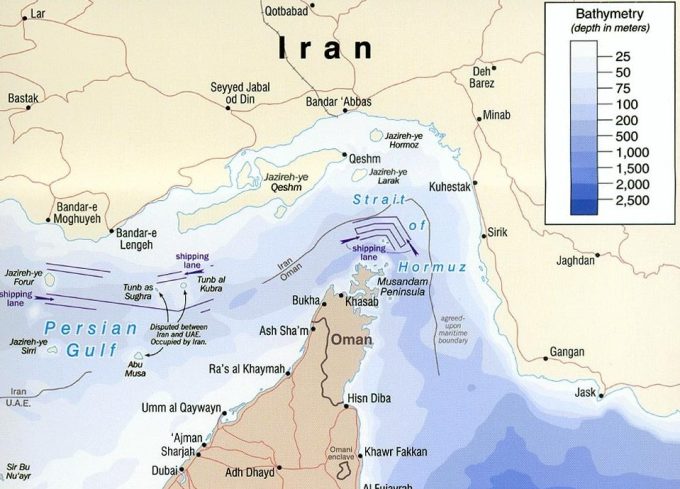
Just days after the IMO dodged questions over who has the final authority on ship movements in the Strait of Hormuz, Tehran has demanded it makes all the calls on which ships can move, when they can move, and through which route.
For supply chain managers, the upshot of more chaos in the besieged waterway is an expectation that the overland routes that have popped up across the Gulf since the start of the conflict will remain their safest option.
The latest dose of confusion follows Evergreen’s Ever Lovely having been struck by a projectile on Thursday transiting Oman’s Southern Corridor, in contravention of the IMO’s plan which had safely seen 115 ships evaculate the besieged waterway.
The attack prompted the IMO to cancel one press conference, celebrating the initial wins of the evacuation programme, and hastily calling another on Friday afternoon to confirm the latest lay of the land.
Arsenio Dominguez, secretary-general of the UN agency, said seafarer safety remained the paramount concern and it would not resume the evacuation programme until it had guarantees from all sides in the conflict that no other ships would be targeted.
Hampering this has been confusion surrounding the MOU agreement between Iran and the US to suspend hostilities, with claims that the document’s broad language gave Tehran the belief that only vessels it authorised could transit, and only through routes it determined.
Mr Dominguez noted that “further expansion of the conversations” around the Iran-US deal “would actually play its part” in allowing all stakeholders to note what the lay of the land was as far as the vessel evacuation programme went.
Without that clarity, Mr Dominguez would not confirm who had final say, but citing Iranian warnings that transiting Oman’s Southern Corridor “would bring legal sanctions”, and stressed that the Ever Lovel had moved outside the IMO framework implied as much.
Iran’s foreign minister, Abbas Araghchi, urged “all parties not to interfere” in managing Hormuz vessel transits, and added that “no other country or institution has any responsibility in this regard”.
For supply chain managers, the upshot has been to recognise that the idea of the strait being a realistic transit option in the near term is not realistic, the Gulf land bridge proving their best option.
For uninterrupted access, sign in or sign up to The Daily News, Premium or The Loadstar Enterprise Plan.

Comment on this article