Logistics and resilience are key as Saadé warns supply chain disruption is 'new normal'
CMA CGM chairman and CEO Rodolphe Saadé has outlined how the French shipping giant is ...

WMT: VERTICAL INTEGRATION IN LOGISTICSJBHT: HERE WE GOPG: STEADYEXPD: NEW RECORD BA: DELIVERIESMAERSK: BEAR CAMP MUSINGSCHRW: HIGHER HIGHS ON THE RADARWTC: 'ONE RECORD'HLAG: EARNINGS GUIDANCE UPGRADE AAPL: GLOBAL SMARTPHONE SHIPMENTS VW: THE IMPACT VW: MASSIVE JOB CUTS CONFIRMEDEXPD: BULLISH
WMT: VERTICAL INTEGRATION IN LOGISTICSJBHT: HERE WE GOPG: STEADYEXPD: NEW RECORD BA: DELIVERIESMAERSK: BEAR CAMP MUSINGSCHRW: HIGHER HIGHS ON THE RADARWTC: 'ONE RECORD'HLAG: EARNINGS GUIDANCE UPGRADE AAPL: GLOBAL SMARTPHONE SHIPMENTS VW: THE IMPACT VW: MASSIVE JOB CUTS CONFIRMEDEXPD: BULLISH
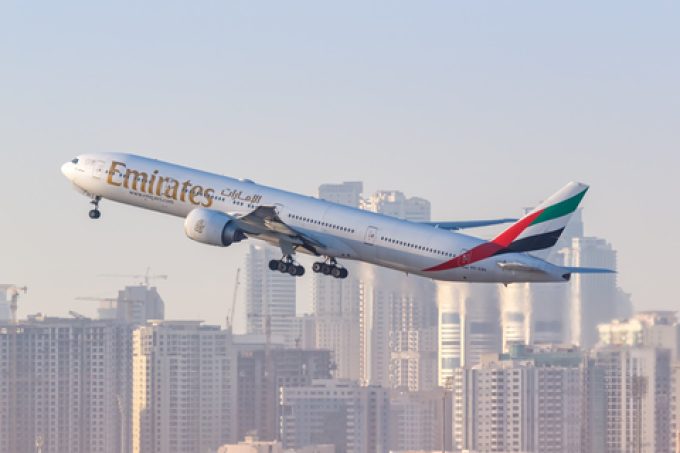
European airlines will continue to face longer routings and higher operating costs after EASA renewed its warning against flying over Iran, Iraq, and Lebanon, despite signs that aviation activity across the Gulf has recovered sharply since the recent conflict.
The European Union Aviation Safety Agency (EASA) yesterday published its Conflict Zone Information Bulletin, extending its guidance until 1 July, and maintaining its recommendation that operators do not fly through the airspace of Iran, Iraq and Lebanon.
It also continues to advise ‘heightened caution’ when operating through Bahrain, Kuwait, Israel, Jordan, Qatar, Oman, Saudi Arabia, and the UAE.
While EASA acknowledged that the regional security situation had improved following the ceasefire, it warned that the truce remained fragile and that risks from missile activity, drones, air defence systems, and potential military escalation continued to justify the restrictions.
“The situation has moved from an active intense conflict, with a high number of kinetic events, to a state of heightened tension, with limited, sporadic, and confined kinetic events. Short-term violations of the US-Iran ceasefire therefore remain possible…
“While risks to aircraft operating in this airspace can be reduced through proactive airspace management and contingency measures, such mitigations are less effective in addressing risks to aviation infrastructure on the ground. Operators should therefore consider the potential vulnerability of airports and other critical aviation facilities when conducting risk assessments for their operations in the region.”
The renewed guidance comes as new analysis from aviation intelligence company IBA suggests Gulf aviation has moved firmly into recovery mode.
According to IBA, daily flights at Doha have increased from just 42 in March to 570 this month, while Dubai has recovered from 499 to 844 daily flights, and Abu Dhabi from 174 to 462. Gulf carriers have also brought substantial numbers of aircraft back into service, with Qatar Airways reducing parked aircraft from a peak of 181 in March to 45 in June, while Emirates cut its inactive fleet from 44 aircraft to 28.
However, the recovery has yet to restore operational efficiency. IBA found average Europe-Asia flight times had increased from nine hours before the conflict to nine hours 47 minutes this month, reflecting airlines’ continued use of longer routings around restricted airspace.
Jordan Amos, aircraft asset manager at IBA, said: “Major Gulf hubs have moved from acute disruption towards sustained recovery over the past three months, with flight activity increasing significantly as airspace restrictions ease and confidence returns across the region.”
IBA added that although the market had “clearly moved out of crisis mode”, the effects of the disruption remained visible across fleet deployment, routing, and utilisation patterns”. It added airlines and lessors continued to operate in an environment that was stabilising, but was “not yet fully aligned with pre-conflict norms”.
Recovery, however, remains uneven. While Gulf carriers have steadily rebuilt schedules and reactivated aircraft, many European and Asian airlines continue to wait for regulators to relax conflict-zone guidance before restoring services.
British Airways’ planned partial resumption of Heathrow-Dubai services remains contingent on regulatory approval, while KLM has extended cancellations to Gulf destinations, and Cathay Pacific continues to suspend services to Dubai and Riyadh until at least the end of August. Martinair Cargo’s Dubai freighter operations also remain suspended.
David Kerr, founder of JTD Advisory, said ahead of EASA’s decision that the regulator’s latest bulletin would be the first real test of whether aviation authorities considered the post-ceasefire environment materially safer.
“The MOU is signed. The NOTAM is still in force. Those are different things,” he wrote, arguing that any return to normal routings would depend first on regulators easing conflict-zone guidance before airlines, insurers, and operators could begin restoring services.
The differing pace of recovery highlights the divide between Gulf-based airlines, which have restored much of their regional flying, and international carriers that remain constrained by European safety guidance, insurance requirements, and corporate risk assessments.
Until those restrictions begin to ease, airlines are likely to continue operating longer routings between Europe and Asia.
For uninterrupted access, sign in or sign up to The Daily News, Premium or The Loadstar Enterprise Plan.

Comment on this article