Middle East premium fades – but AI boom keeps air freight rates aloft
Air freight markets appear to be settling, with capacity largely returned to the Gulf, fuel ...

WMT: VERTICAL INTEGRATION IN LOGISTICSJBHT: HERE WE GOPG: STEADYEXPD: NEW RECORD BA: DELIVERIESMAERSK: BEAR CAMP MUSINGSCHRW: HIGHER HIGHS ON THE RADARWTC: 'ONE RECORD'HLAG: EARNINGS GUIDANCE UPGRADE AAPL: GLOBAL SMARTPHONE SHIPMENTS VW: THE IMPACT VW: MASSIVE JOB CUTS CONFIRMEDEXPD: BULLISH
WMT: VERTICAL INTEGRATION IN LOGISTICSJBHT: HERE WE GOPG: STEADYEXPD: NEW RECORD BA: DELIVERIESMAERSK: BEAR CAMP MUSINGSCHRW: HIGHER HIGHS ON THE RADARWTC: 'ONE RECORD'HLAG: EARNINGS GUIDANCE UPGRADE AAPL: GLOBAL SMARTPHONE SHIPMENTS VW: THE IMPACT VW: MASSIVE JOB CUTS CONFIRMEDEXPD: BULLISH
Digitisation is the answer to managing compliance on inbound parcels to the US – and companies are racing to bring out tech products for their customers.
“Growth will increasingly depend on digitalisation, cross-border trade innovation, and the industry’s ability to balance capacity investment with environmental and regulatory pressures,” noted Ti today as it launched its Express & Small Parcels report.
Despite new compliance challenges into the US following the end of the de minimis exemption, and ‘pauses’ by parcel companies, the sector continues to remain strong.
Ti, which predicts some 8% growth up to 2029 in the parcels and express sector, said: “Structural growth drivers remain firmly in place: ecommerce continues to underpin parcel demand, Amazon’s delivery network expansion is redefining market dynamics, China’s express sector has reached extraordinary scale, and out-of-home delivery options are reshaping the economics of the last mile. Measured expansion and operational consolidation define the market as operators focus less on raw volume growth and more on profitability, network optimisation, and service differentiation.”
Service differentiation will be key in a market that is both highly competitive and, now, highly complex.
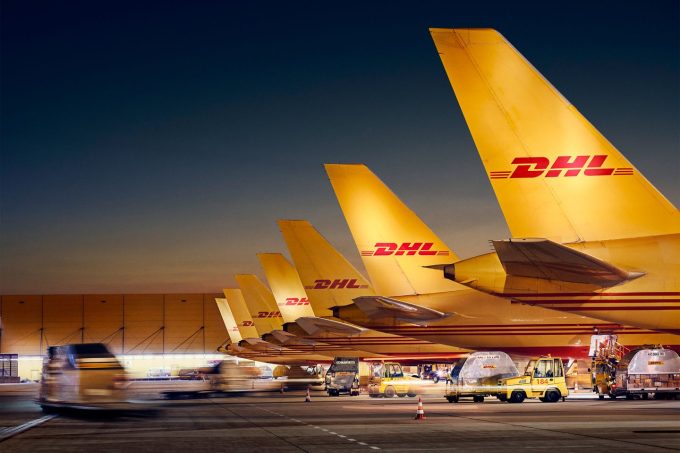
As a result, DHL Global Forwarding is the latest to announce a tech solution to the US import problem. Today it launched a Consolidated Clearance Service for US imports,
“As US tariff policies evolve and regulatory demands intensify, importers – particularly in fast-moving consumer sectors – face rising costs, longer clearance times, and increased compliance risks,” it said.
“Retailers are under pressure to deliver faster, more cost-effectively, and in full compliance with shifting trade regulations,” said Greg Nichols, SVP global customs.
“This service helps them do just that – by simplifying customs processes, reducing costs, and ensuring they stay ahead of regulatory changes, without the need for an advanced technology set-up. Cost, certainty and compliance are sources of advantage in the increasingly competitive retail sector and are likely to be especially critical during peak seasons like Black Friday and the holidays.”
Retailers are increasingly using Delivered Duty Paid (DDP) terms to import into the US as well as trying to diversify sourcing and looking for new import models, in a clearly shifting landscape.
According to Ti, data shows that importers are trying to lower costs. Ti noted: “Looking at the world’s three largest full services logistics companies by revenue – DHL Group, FedEx and UPS – their volumes have been as much affected by the political climate as well as demand for low-value direct shipping parcels. DHL Group’s volume data shows growth in its lower cost Global Forwarding division’s air freight product, and a fall in demand for its Express division’s premium Time Definite International air freight product.”
Ti concluded: “Across all regions, efficiency, automation, and sustainability have become central to strategic planning. Major carriers are investing heavily in technology to streamline network performance, reduce emissions, and enhance visibility across increasingly complex logistics chains. At the same time, competitive intensity is rising as new entrants, regional specialists, and platform-driven delivery models challenge established integrators and postal incumbents.
“Looking ahead, the global express market is forecast to grow at a CAGR of 7.9%, to reach €821.4bn by 2029. Volumes are expected to exceed 448 billion parcels by the end of the forecast period, driven primarily by B2C demand, domestic network density, and the relentless rise of cross-border e-commerce.
“Yet challenges remain. Tariff policy shifts, inflationary cost structures, and infrastructure constraints continue to affect key markets. In this context, Asia Pacific, particularly China, will remain the global growth engine, while other regions focus on digitalisation, last-mile efficiencies, and diversification to maintain competitiveness.”
DHL added: “The need for customs clearance platforms that simplify processes at the border and provide transparency and certainty on costs has never been higher.”
For uninterrupted access, sign in or sign up to The Daily News, Premium or The Loadstar Enterprise Plan.

Comment on this article