Freight rate recovery 'more about demand than blanked sailings'
Container spot rate pricing momentum was firmly behind Asia-Europe carriers this week, with double-digit increases ...


VW: THE LAST CUT IS THE DEEPESTJBHT: GEARING UP VW: BUYING TIMER: BIG VOTE OF CONFIDENCEAAPL: BEARISH HEDGEYE AAPL: THE BEAR CASEFDX: LIFE SCIENCES ORG UNVEILEDWTC: UPS AND DOWNSWTC: ASX ANNOUNCEMENT REGARDING DSV PARTNERSHIP VW: D-DAYPLD: KEEP PUSHINGDHL: NEW AIR SERVICEDHL: GUIDANCE UPGRADE REACTION
VW: THE LAST CUT IS THE DEEPESTJBHT: GEARING UP VW: BUYING TIMER: BIG VOTE OF CONFIDENCEAAPL: BEARISH HEDGEYE AAPL: THE BEAR CASEFDX: LIFE SCIENCES ORG UNVEILEDWTC: UPS AND DOWNSWTC: ASX ANNOUNCEMENT REGARDING DSV PARTNERSHIP VW: D-DAYPLD: KEEP PUSHINGDHL: NEW AIR SERVICEDHL: GUIDANCE UPGRADE REACTION
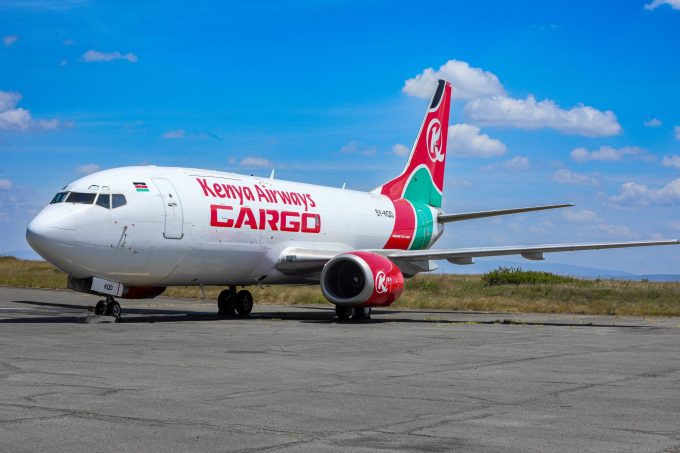
Kenya’s proposed Strategic Goods Control Bill has opened a new debate over whether tighter security and export-control measures could add friction to time-critical movements of aircraft spare parts.
According to local sources, Kenya Airways warned lawmakers in May that additional licensing and approval requirements could slow the clearance of aviation components, potentially affecting the rapid movement of parts needed to keep aircraft flying.
The airline argued that commercial aviation parts already operated within a highly regulated international safety framework and should either be exempted or granted expedited treatment under the proposed legislation.
The bill, under parliamentary consideration, is intended to strengthen Kenya’s controls over strategic and dual-use goods, in line with international non-proliferation obligations. It would create new licensing, oversight, and control-list mechanisms for goods deemed strategic.
For the air cargo industry, the concern is not simply about aircraft maintenance, but about whether additional border and compliance procedures could affect next-flight-out shipments that are often required within hours.
DHL Global Forwarding, one of the region’s largest freight forwarders, says aviation logistics remains a critical segment of its East African operations.
Pramod Bagalwadi, CEO East Africa, told The Loadstar: “We support major airline operations, including handling engines for the national carrier. In many cases, these are ‘aircraft on ground’ (AOG) situations, where operational downtime has a direct commercial impact.”
His comments underline why the issue is attracting attention across the logistics sector. AOG shipments are among the most urgent cargo movements handled by forwarders, airlines, and customs brokers, with delays measured in hours rather than days.
However, DHL’s assessment of the current Kenyan operating environment is more measured than some industry warnings, said Mr Bagalwadi, adding: “The main challenge is usually not the air movement itself, but the clearance process on arrival.”
He explained that aircraft parts, equipment, and engines must usually be cleared by the local aviation authority before import approval is granted, with officials verifying they meet regulatory and airworthiness requirements. That extra layer of compliance can slow the release of such time-critical cargo.
Instead of blaming the proposed strategic goods control bill for potential disruption, forwarders seem to be pointing to a wider reality across many African markets that delays are often driven more by regulatory checks and paperwork, than by a lack of air cargo capacity.
For Kenya Airways, the concern is that a new layer of strategic goods oversight could add to those processes unless civil aviation cargo receives clear exemptions or fast-track treatment.
DHL says urgent aviation shipments already benefit from expedited handling mechanisms.
“Urgent aviation components are typically routed by airfreight because of the time-sensitive nature of these moves,” added Mr Bagalwadi. “For critical AOG shipments, we work with customs and the relevant authorities to secure provisional or expedited release, so the parts can reach the grounded aircraft in the shortest possible time.”
The forwarder also says that, at present, Kenya’s framework generally allows compliant shipments to move quickly.
“In Kenya, this is currently not a significant operational constraint, provided the shipment is compliant and the documentation is in order,” he added, noting that existing frameworks allow for the expedited handling of critical aviation shipments under controlled conditions.
That creates a more layered picture than a straightforward prediction of disruption. Airlines are warning that new controls could affect time-critical cargo flows, while another major freight forwarder said existing Kenyan mechanisms were already capable of handling urgent aviation shipments when documentation was prepared correctly.
The unanswered question is whether the proposed legislation would merely formalise current controls or introduce additional approval steps that could affect clearance times.
The debate also comes as competition among African logistics hubs intensifies.
Nairobi remains a key gateway for cargo moving to Uganda, Rwanda, Burundi, South Sudan, and the Democratic Republic of Congo, while Addis Ababa is strengthening its position through continued investment in aviation and maintenance infrastructure.
For forwarders, customs, and airlines, the issue goes beyond aircraft spare parts: the wider question is whether Kenya can tighten strategic trade controls without affecting the speed and reliability regional supply chains rely on.
As parliament considers the bill, the logistics industry will be watching closely for any indication of how aircraft parts and other high-value, time-sensitive shipments will be treated under the new regime.

For uninterrupted access, sign in or sign up to The Daily News, Premium or The Loadstar Enterprise Plan.
Comment on this article