AI cargo props up air cargo market amid warnings of an early peak
Booming AI-related shipments are offsetting weaker ecommerce demand in air cargo, with analysts warning geopolitical ...

TSLA: JUST AS VW STRUGGLESBA: NEW BIG ORDERBA: THE ORDERBOOK GROWSPLD: PUSHING FOR A DEAL PLD: TIME TO DEALEXPD: ANOTHER ALL-TIME HIGH CHRW: NEW RECORD DSV: AHEAD OF EARNINGS RELEASE JBHT: NEW HIGHS EVERYWHEREPLD: STRONG DELIVERYJBHT: FAIR-VALUE CONSENSUS ESTIMATE AT ALL-TIME HIGH KNIN: AI TECH ADVANTAGEPLD: TRADING UPDATE ON THE WAY KNIN: UPSIDE
TSLA: JUST AS VW STRUGGLESBA: NEW BIG ORDERBA: THE ORDERBOOK GROWSPLD: PUSHING FOR A DEAL PLD: TIME TO DEALEXPD: ANOTHER ALL-TIME HIGH CHRW: NEW RECORD DSV: AHEAD OF EARNINGS RELEASE JBHT: NEW HIGHS EVERYWHEREPLD: STRONG DELIVERYJBHT: FAIR-VALUE CONSENSUS ESTIMATE AT ALL-TIME HIGH KNIN: AI TECH ADVANTAGEPLD: TRADING UPDATE ON THE WAY KNIN: UPSIDE
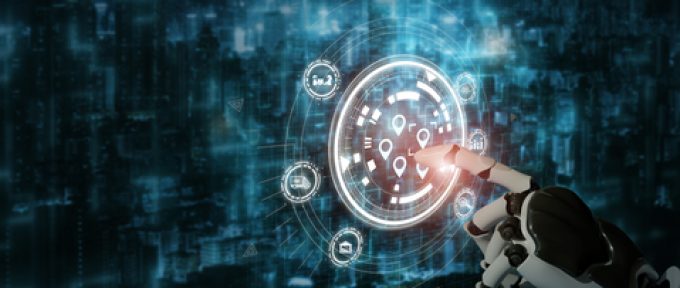
The AI-driven “self-healing supply chain” is moving rapidly from theory to practical reality, according to Flexport.
In a webinar today, Flexport explained how supply chains could evolve from fragmented, reactive networks into systems increasingly able to detect problems, recommend fixes, and, eventually, act automatically.
“This is not fiction, this is actually on the horizon,” said Mathijs Slangen, VP sales Europe.
He explained that the need for self-healing supply chains was rooted in the growing instability of global trade. According to Marnix van Dishoeck, commercial manager Benelux at Flexport, shippers are no longer operating in an environment where manual processes and periodic updates are enough.
“The old way of doing things simply doesn’t work,” he said, and pointed to repeated disruptions since the pandemic, with data moving from “nice to have” to a foundational requirement.
He said resilience now depended less on ‘firefighting’ and more on building systems that can see, interpret ,and respond to change quickly, which meant moving beyond visibility alone.
The company describes autonomy in three stages: first, connecting the supply chain through “unified and structured data”; second, automating execution wherever possible through “zero touch” processes; and third, allowing the system to move from reporting “what happened” and predicting “what will happen” to “the system fixing it”.
Flexport said it had been developing its products to achieve self-healing first by creating a foundation of structured data and a “single source of truth”, secondly using that data to optimise cost and performance, and the third, now emerging, is autonomy.
This will go beyond supply chain optimisation, which uses live shipment data to generate recommendations such as consolidation opportunities, with customers able to accept or reject proposed changes. But will use “digital routing guides”, which translate a shipper’s booking rules and carrier preferences into machine-readable instructions that can feed directly into execution systems, ultimately resulting in automated action.
Mr Slangen explained: “We go zero touch wherever we can, and that is followed then by where we let the data actually take over. So, we move from what happened to what will happen to the system fixing it.
“That is the underlying principle of how autonomy works for everyone trying to try to bring their supply chain to the next level. But it only works if it’s built on the right system.”
Flexport was clear, however, that the industry was not yet at the point where all exceptions could be handled without human input. For now, approvals are still often needed, especially where shipment changes affect cost, timing, or supplier coordination.
However, the forwarder visualises a future in which optimisation shifts earlier in the process from shipment level to purchase-order level, and where systems respond faster to disruptions, such as missed cargo ready dates, blank sailings or port congestion.
Flexport underscored that the industry was seeing “certain elements that are already there”, and others that are “on the horizon”.
“Whenever we see a problem, our first instinct is to solve it with technology,” said Mr Slangen. “Then we amplify that with great people. And if you combine this with a great logistics infrastructure for execution, you have the perfect formula to build a supply chain of the future.
“And that is a supply chain that is better, faster, more efficient, and maybe above all, continuously improving. In other words, self-healing.”
Watch our recent ‘Loadstar Snapshot’ on YouTube to learn more about air cargo fuel surcharges!
For uninterrupted access, sign in or sign up to The Daily News, Premium or The Loadstar Enterprise Plan.
Comment on this article