Insurance sector braces for IATA DAWB liability change fallout
The insurance implications of IATA’s controversial Direct Air Waybill (DAWB) changes are emerging as one ...

VW: THE IMPACT VW: MASSIVE JOB CUTS CONFIRMEDEXPD: BULLISHCHRW: POSITIONING AHEAD OF EARNINGSAMZN: IN THE NUMBERSAMZN: PEOPLE MATTER UNTILVW: THE LAST CUT IS THE DEEPESTJBHT: GEARING UP VW: BUYING TIMER: BIG VOTE OF CONFIDENCEAAPL: BEARISH HEDGEYE AAPL: THE BEAR CASEFDX: LIFE SCIENCES ORG UNVEILEDWTC: UPS AND DOWNSWTC: ASX ANNOUNCEMENT REGARDING DSV PARTNERSHIP VW: D-DAY
VW: THE IMPACT VW: MASSIVE JOB CUTS CONFIRMEDEXPD: BULLISHCHRW: POSITIONING AHEAD OF EARNINGSAMZN: IN THE NUMBERSAMZN: PEOPLE MATTER UNTILVW: THE LAST CUT IS THE DEEPESTJBHT: GEARING UP VW: BUYING TIMER: BIG VOTE OF CONFIDENCEAAPL: BEARISH HEDGEYE AAPL: THE BEAR CASEFDX: LIFE SCIENCES ORG UNVEILEDWTC: UPS AND DOWNSWTC: ASX ANNOUNCEMENT REGARDING DSV PARTNERSHIP VW: D-DAY
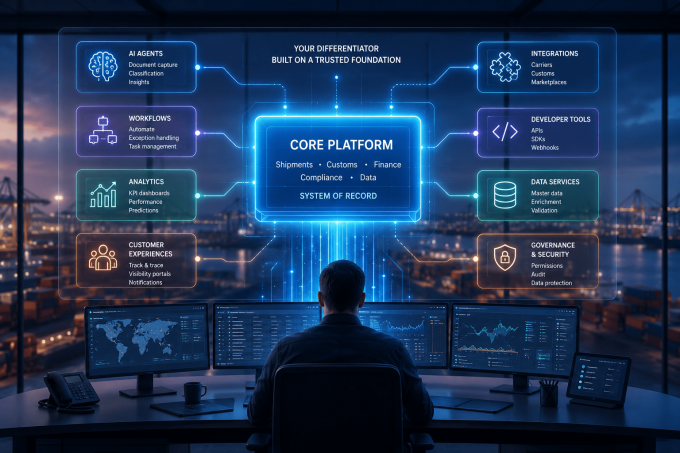
While the deployment of AI within the freight forwarding industry is the “right evolution”, it needs to be gradual to handle the unique challenges and needs of this sector, an AI expert has warned.
Eyal Goldberg, co-founder and CEO of Breeze, an Insurtech company that focuses on digital and embedded cargo insurance, splits AI adoption into two steps for the logistics industry: targeting back-office tasks; before physical container movement.
“The freight forwarding industry has unique characteristics and needs, and so the AI process needs to be very gradual,” he warned. “Unlike other industries, everything we do involves a lot of risk and if you are abusing AI or not using it properly, it can cause damage like lost or delayed cargo.”
Goldberg underlined how AI was the “right evolution”, but due to these risks, and the associated responsibilities, there are challenges for freight forwarders to overcome.
“The freight forwarding industry carries a lot of responsibility and risk in every decision, which is why the adoption of AI needs to be deliberate rather than rushed.”
Examples of such risks include delayed, lost or misdeclared cargo, violating customs compliance, and missing insurance requirements. This means that it is right to progress slowly on adoption. But Goldberg added, “I believe with 100% certainty that at the right pace freight forwarders can make a lot of change, so that once they reach a level of confidence (with AI and technology) they are comfortable with, it will make operations much less costly, more accurate and people can use their time more efficiently. By automating certain tasks, they can focus on more impactful things.”
Currently, the greatest impact is within the back operations of freight forwarders.
“The freight forwarders’ back office is very ripe for change and disruption, and it is happening all around,” he told The Loadstar.
Goldberg singled out shipping quote automation as a good example of strong industry take-up. But freight forwarders are also adapting other back-office tasks with AI, including cargo insurance, data entry, and monitoring and reporting, enabling staff to focus on communicating with the customer.
“More and more companies are focusing on that specific segment, both traditional and bigger companies, but also start-ups. This area is becoming crowded and mature, which means we will then see start-ups move up a layer and take a step further, for example into the riskier areas of customs and managing routes.”
Indeed, the next step to be taken for AI might involve the physical movement of the container across the supply chain. Mr Goldberg said: “AI efforts involving real world movements, warehousing and storage have started to happen, but it’s a harder and a more complicated area than the back office, mainly since it includes many more complicated functions, data, and moving parts that first need to be consolidated, aligned, and synced. That might be the next evolution.”
The rapidly growing awareness of AI will expedite its progress to the movement of containers.
“One thing I can say is that it is happening right now, it’s not just Silicon Valley techies who are embracing it.”
Alluding to the Multimodal trade exhibition at the Birmingham NEC in June, he said: “I could see at the show that lots of freight forwarders are talking about AI and understanding it. Their awareness is more visible and scalable, and this will make it move across the whole value chain.”
For uninterrupted access, sign in or sign up to The Daily News, Premium or The Loadstar Enterprise Plan.
Comment on this article