Insurance sector braces for IATA DAWB liability change fallout
The insurance implications of IATA’s controversial Direct Air Waybill (DAWB) changes are emerging as one ...


VW: D-DAYPLD: KEEP PUSHINGDHL: NEW AIR SERVICEDHL: GUIDANCE UPGRADE REACTIONDHL: NEW HIGH TARGET ON THE STREET DSV: EXPECTATIONS RUN HIGH KNIN: DHL GUIDANCE UPGRADE READ-ACROSSKNIN: NEW OPENINGGM: TECH UPSIDEAMZN: BIG DEBT FUNDING ON ITS WAYDHL: 'STELLAR EXPRESS'DHL: UPDATEDHL: STRONG PRELIMINARY UPDATE CHRW: STILL VERY BEARISH
VW: D-DAYPLD: KEEP PUSHINGDHL: NEW AIR SERVICEDHL: GUIDANCE UPGRADE REACTIONDHL: NEW HIGH TARGET ON THE STREET DSV: EXPECTATIONS RUN HIGH KNIN: DHL GUIDANCE UPGRADE READ-ACROSSKNIN: NEW OPENINGGM: TECH UPSIDEAMZN: BIG DEBT FUNDING ON ITS WAYDHL: 'STELLAR EXPRESS'DHL: UPDATEDHL: STRONG PRELIMINARY UPDATE CHRW: STILL VERY BEARISH
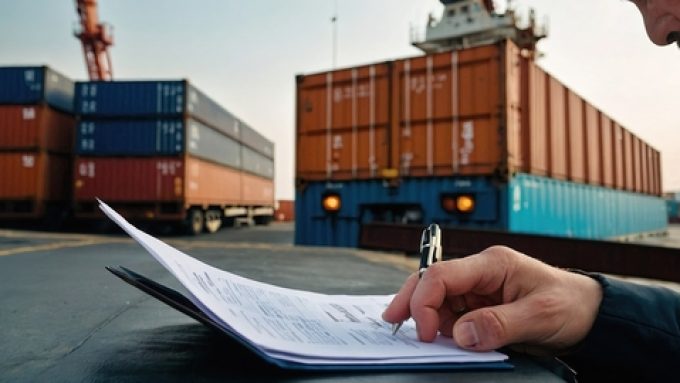
Tapping into discordant feelings surrounding cargo coverage, DP World has launched an end-to-end war-risk insurance product, which it claims will close “critical gaps” in the freight world’s otherwise fragmented insurance practices – but some are sceptical.
Applicable for shipments transiting the Middle East, the solution covers physical loss or damage caused by war-related risks, including conflict, civil unrest, seizure, and derelict weapons, with valid claims settled with zero deductibles.
Group CEO Yuvraj Narayan said: “This is about solving a real, immediate problem for global trade. Supply chains don’t stop at the port or the shoreline, and neither should insurance.
“For the first time, cargo owners can access a single policy that protects goods across the entire journey, even in high-risk environments, helping keep trade moving when it matters most.”
The terminal operator claimed it could offer a product maintaining supply chain continuity across key trade corridors, including the Arabian Gulf, Red Sea, and surrounding the inland routes, because it had “leveraged its scale and relationship with insurers”.
Covering both air and sea transits, the insurance also provides protection for both port storage and inland delivery, with DP World explaining this closes “critical gaps left by conventional insurance policies, which typically insure a single leg of the journey”.
However, some have question what differentiates DP World’s product from others available, one forwarder telling The Loadstar: “All insurance companies offer this product.”
The forwarder suggested it was another “money-making initiative”, and seemed sceptical whether cargo would be protected as resolutely as DP World claims.
Throughout the crises in the Red Sea and Strait of Hormuz, forwarders and shippers have expressed anger at surcharges that have been imposed on them, many telling The Loadstar the extra costs bring no added protection. And there are those who have suggested the present insurance market does not serve cargo coverage well, with the crisis in the Persian Gulf exposing some structural gaps.
In an guest post for The Loadstar, Breeze’s chief insurance officer, Patrizia Kern-Ferretti, this week noted cargo war coverage expired at discharge, or within 15 days of port arrival, meaning goods caught in a blocking or trapping scenario after arrival may be outside the policy period.
She added: “Standard cargo war clauses exclude claims based on frustration of the voyage or adventure, limiting recovery when a shipment cannot reach its destination due to protracted conflict.
“Unlike hull, cargo war policies carry no equivalent to the Detainment Clause, meaning there is no agreed threshold at which a stranded cargo can be declared a constructive loss. A prolonged disruption makes these gaps materially more significant.”
She noted: “Cargo buyers, particularly those reliant on Middle East trade routes, would benefit from a clearer market conversation about what their war coverage does and does not provide. That is partly a broking issue, but it is also a product design question.”

For uninterrupted access, sign in or sign up to The Daily News, Premium or The Loadstar Enterprise Plan.
Comment on this article