A quieter Schiphol – but 747 ban too soon for carriers to adapt
A proposed 2025 night ban on ‘noisy’ 747Fs at Amsterdam’s Schiphol Airport (AMS) is “too ...


WMT: VERTICAL INTEGRATION IN LOGISTICSJBHT: HERE WE GOPG: STEADYEXPD: NEW RECORD BA: DELIVERIESMAERSK: BEAR CAMP MUSINGSCHRW: HIGHER HIGHS ON THE RADARWTC: 'ONE RECORD'HLAG: EARNINGS GUIDANCE UPGRADE AAPL: GLOBAL SMARTPHONE SHIPMENTS VW: THE IMPACT VW: MASSIVE JOB CUTS CONFIRMEDEXPD: BULLISH
WMT: VERTICAL INTEGRATION IN LOGISTICSJBHT: HERE WE GOPG: STEADYEXPD: NEW RECORD BA: DELIVERIESMAERSK: BEAR CAMP MUSINGSCHRW: HIGHER HIGHS ON THE RADARWTC: 'ONE RECORD'HLAG: EARNINGS GUIDANCE UPGRADE AAPL: GLOBAL SMARTPHONE SHIPMENTS VW: THE IMPACT VW: MASSIVE JOB CUTS CONFIRMEDEXPD: BULLISH
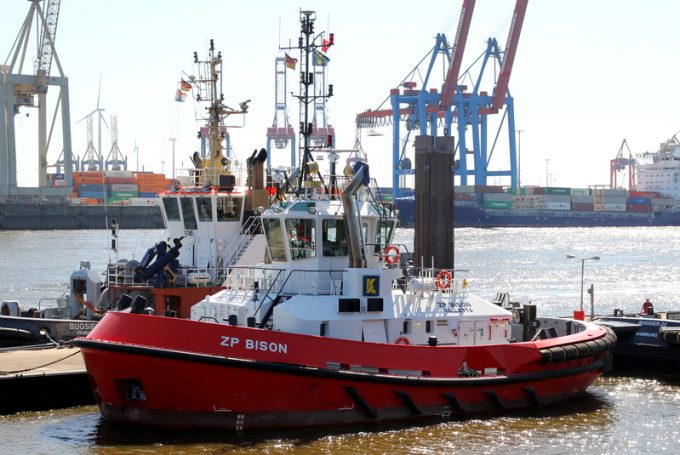
Netherlands-based European harbour towage specialist Kotug Smit is to become part of the Spanish Boluda Corporacion Maritima group.
Established in 1837, Boluda has a fleet of around 250 tugs in 81 ports in Latin America, the Caribbean, Spain, France, Germany, the Indian Ocean and the west coast of Africa.
Kooren family-owned Kotug can trace its roots to the ownership of its first tug in 1911, but in its current form merged with Dutch compatriot Smit to mitigate the impact of rapid liner consolidation.
Kotug Smit told customers that Boluda’s “strategic vision of greater consolidation in the European port towage market” made the acquisition “attractive to its customers and stakeholders”, adding: “All current commercial towage contracts will remain in force and your current commercial contact person will remain unchanged.”
Liner company service providers have felt the full force of the industry’s rapid consolidation over the past decade, now only a handful of ocean carriers remain, resulting in a significant reduction in business opportunities. Liner and port agencies, feeder operators and harbour towage have either lost contracts or been forced to agree fresh terms – often inferior, to the lowest common denominator price of the newly merged partners.
In the towage sector, Kotug was instrumental in breaking the unhealthy, monopolistic, fixed-price scenario that had existed at North European ports until the late 90s, and was unlike the majority of its peers in what was traditionally a “closed shop” sector, in that it was not media-shy and was a pioneer in treating its customers like customers.
Now, after more than 100 years, the Kotug name will disappear from tugs providing assistance to the big liners in European ports, joining a long list of shipping sector household names consigned to the history books.
For uninterrupted access, sign in or sign up to The Daily News, Premium or The Loadstar Enterprise Plan.

Comment on this article