Maersk returns West Africa service to the Red Sea as Suez comeback gathers pace
Maersk has announced that it is returning a third service to the Red Sea routing, ...


WMT: VERTICAL INTEGRATION IN LOGISTICSJBHT: HERE WE GOPG: STEADYEXPD: NEW RECORD BA: DELIVERIESMAERSK: BEAR CAMP MUSINGSCHRW: HIGHER HIGHS ON THE RADARWTC: 'ONE RECORD'HLAG: EARNINGS GUIDANCE UPGRADE AAPL: GLOBAL SMARTPHONE SHIPMENTS VW: THE IMPACT VW: MASSIVE JOB CUTS CONFIRMEDEXPD: BULLISH
WMT: VERTICAL INTEGRATION IN LOGISTICSJBHT: HERE WE GOPG: STEADYEXPD: NEW RECORD BA: DELIVERIESMAERSK: BEAR CAMP MUSINGSCHRW: HIGHER HIGHS ON THE RADARWTC: 'ONE RECORD'HLAG: EARNINGS GUIDANCE UPGRADE AAPL: GLOBAL SMARTPHONE SHIPMENTS VW: THE IMPACT VW: MASSIVE JOB CUTS CONFIRMEDEXPD: BULLISH
Donald Trump appears to have ‘weaponised’ the Federal Maritime Commission (FMC) as part of US efforts to revitalise its shipping sector.
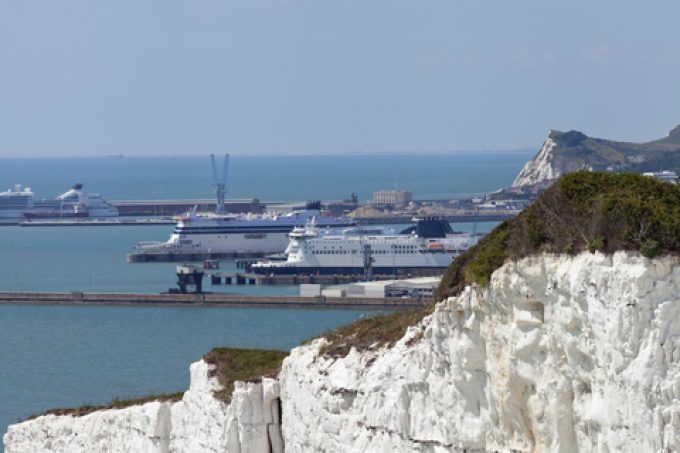
On Monday it was announced that the FMC would investigate seven “chokepoints” in liner shipping: the Northern Sea Passage; English Channel; Malacca Strait; Singapore Strait; Strait of Gibraltar; and the Panama and Suez canals.
“The FMC is gathering information about seven chokepoints to identify any regulations, policies, or practices that create unfavourable shipping conditions,” it said, adding that it was “specifically interested in responses from foreign governments, container shipping companies, vessel owners, bulk cargo operators, and tramp operators to six specific questions listed in the federal register notice announcing this action”.
Sandler, Travis & Rosenberg, an international trade law and consultancy practice, suggested the investigation could be geared towards renationalising US shipping.
“The investigation appears part of the Trump administration’s effort to reduce US reliance on foreign-owned cargo ships,” the consultancy wrote, noting the focus on “laws, regulations, or practices of foreign governments”.
ST&R said the FMC was also looking at the practices of foreign-flagged vessel owner/operators to see if they had created “unfavourable conditions” at those chokepoints.
If the latest investigation concludes that any governments or operators have engaged in “undue practices at the expense of US shipping lines”, the FMC has been provided (by the Biden administration) with a toolkit of responses.
Not least of which, ST&R noted, was its ability to restrict, or charge up to $1m for, access to US ports.
Citing US legislation, the law firm said the FMC could feasibly limit “voyages to and from US ports or the amount or type of cargo carried”, or “suspend, in whole or in part, an ocean common carrier’s right to operate under any agreement filed with the FMC”.
It also noted the FMC was empowered to “take any other action deemed necessary and appropriate” – seemingly removing limits on what it could do should it deem it necessary.
This move by the FMC comes on the back of an investigation by US trade representative (USTR) Jamieson Greer, who concluded hitting China-built ships calling at US ports with a $1.5m fee, citing unfair Chinese state support of maritime supply chains.
Mr Greer suggested each China-built vessel, irrelevant of its flag, pay up to $1.5m per port call, contingent on the number of Chinese-built ships in the operator’s fleet. And every vessel operated by a Chinese shipping line pay a “service fee” to dock at a US port of up to $1m per call, or $1,000 per net ton of the vessel’s capacity.
USTR will hold a public hearing about the proposed actions on 24 March in the main hearing room at the International Trade Commission.
Public comments can be submitted to the USTR up to that date.
For uninterrupted access, sign in or sign up to The Daily News, Premium or The Loadstar Enterprise Plan.

Comment on this article