Europe’s auto sector faces ‘perfect storm’ as exports slump and imports surge
European automakers and their logistics services providers are navigating a period of upheaval and structural ...

WTC: 'ONE RECORD'HLAG: EARNINGS GUIDANCE UPGRADE AAPL: GLOBAL SMARTPHONE SHIPMENTS VW: THE IMPACT VW: MASSIVE JOB CUTS CONFIRMEDEXPD: BULLISHCHRW: POSITIONING AHEAD OF EARNINGSAMZN: IN THE NUMBERSAMZN: PEOPLE MATTER UNTILVW: THE LAST CUT IS THE DEEPESTJBHT: GEARING UP VW: BUYING TIMER: BIG VOTE OF CONFIDENCEAAPL: BEARISH HEDGEYE AAPL: THE BEAR CASE
WTC: 'ONE RECORD'HLAG: EARNINGS GUIDANCE UPGRADE AAPL: GLOBAL SMARTPHONE SHIPMENTS VW: THE IMPACT VW: MASSIVE JOB CUTS CONFIRMEDEXPD: BULLISHCHRW: POSITIONING AHEAD OF EARNINGSAMZN: IN THE NUMBERSAMZN: PEOPLE MATTER UNTILVW: THE LAST CUT IS THE DEEPESTJBHT: GEARING UP VW: BUYING TIMER: BIG VOTE OF CONFIDENCEAAPL: BEARISH HEDGEYE AAPL: THE BEAR CASE
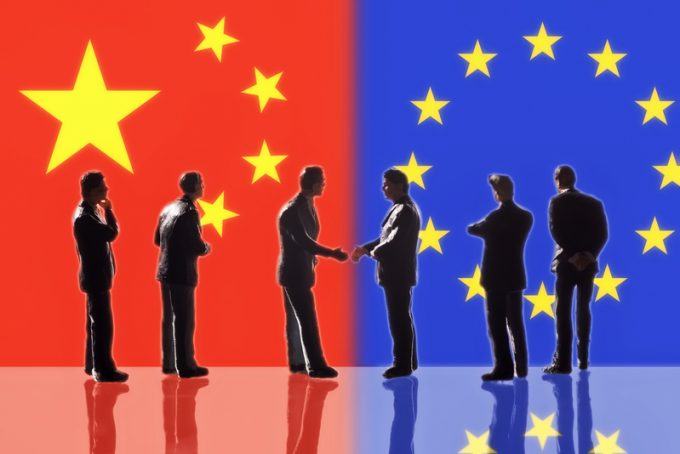
China and the EU may be inching closer to resolving their dispute over the sale of electric vehicles (EVs) across the bloc, but the EC’s proposed guidance changes look set to complicate the situation for importers.
On Monday, the EC published new guidance that requires Chinese EV manufacturers to operate under a minimum pricing threshold and limit the number of vehicles they export and, in exchange, the bloc would remove its 35% tariff.
Responding, China’s Ministry of Commerce said: “This is conducive not only to ensuring the healthy development of China-EU economic and trade relations, but also to safeguarding the rules-based international trade order.”
This development comes 18 months after the EC introduced duties of 7.8% to 35.3% on Chinese EVs, following a 2024 investigation that found state subsidies created an unfair advantage for the manufacturers.
However, not everyone has responded positively to the guidance, supply chain sources telling The Loadstar the changes look set to complicate the job of importers, and they have concerns over the impact on volumes and ensuring compliance with the new pricing structure.
Godfried Smit, public affairs manager at Evofenedex, told The Loadstar: “The commission’s guidance on price undertakings allows certain Chinese EV exporters to replace countervailing duties with a minimum import price [MIP] commitment. For importers of record, this does not remove risk – it shifts risk from tariffs to compliance with pricing controls.
“The core change is that instead of paying a duty, every shipment must demonstrably respect a minimum effective net price.”
Resultantly, Mr Smit pointed out, any mechanism that reduced the price – dealer bonuses, financing incentives, marketing support, post-sale credit notes, and rebates – had the capacity to trigger non-compliance, creating issues for importers.
And, he said, importers would need to implement a single, effective, net price calculation per shipment that included all price adjustments and blocked credit notes, rebates, and retroactive discounting, as well as limiting dealer incentive rules.
“They need to reconcile commercial pricing and customs value regularly to avoid declaration inconsistencies, maintain standard audit-ready documents, and include contractual protections with OEMs, including data access, representations, indemnities,” he added.
“Where this fails, they need a snapback plan for repricing and inventory. MIPs may lower headline duties, but increase importers’ operational, contractual, and audit exposure. Success depends on treating pricing compliance as regulated process, not a commercial afterthought.”
Tariffed or not, Chinese manufacturers have not struggled to sell their wares in Europe: BYD finished 2025 as the largest EV maker in the world – having overtaken Tesla – as the bloc targets its 2035 mandate requiring 90% of new car sales be non-combustion engine powered.
For uninterrupted access, sign in or sign up to The Daily News, Premium or The Loadstar Enterprise Plan.
Comment on this article