LX Pantos US coast-to-coast self-drive trucking route now a round-trip
South Korean 3PL LX Pantos has expanded its autonomous trucking route across the US into ...

WMT: VERTICAL INTEGRATION IN LOGISTICSJBHT: HERE WE GOPG: STEADYEXPD: NEW RECORD BA: DELIVERIESMAERSK: BEAR CAMP MUSINGSCHRW: HIGHER HIGHS ON THE RADARWTC: 'ONE RECORD'HLAG: EARNINGS GUIDANCE UPGRADE AAPL: GLOBAL SMARTPHONE SHIPMENTS VW: THE IMPACT VW: MASSIVE JOB CUTS CONFIRMEDEXPD: BULLISH
WMT: VERTICAL INTEGRATION IN LOGISTICSJBHT: HERE WE GOPG: STEADYEXPD: NEW RECORD BA: DELIVERIESMAERSK: BEAR CAMP MUSINGSCHRW: HIGHER HIGHS ON THE RADARWTC: 'ONE RECORD'HLAG: EARNINGS GUIDANCE UPGRADE AAPL: GLOBAL SMARTPHONE SHIPMENTS VW: THE IMPACT VW: MASSIVE JOB CUTS CONFIRMEDEXPD: BULLISH
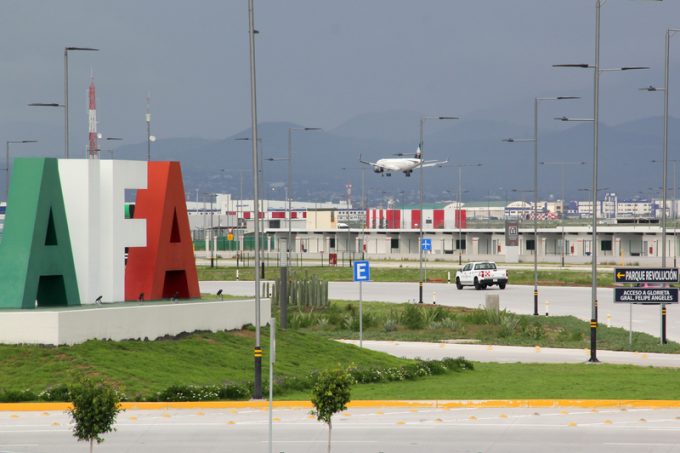
The US government has gone ahead with sanctions targeting the Mexican aviation sector, and reiterated threats to European authorities if they take measures that would result in reduced access for US airlines.
The US Department of Transportation (DoT) ordered the termination of the joint-venture between Delta Air Lines and Aeromexico on 1 January, 2026 – following the threat by transportation secretary Sean Duffy as part of Washington’s retaliation against what it labelled anti-competitive measures affecting US airlines serving Mexico.
According to the DoT, US cargo airlines were negatively impacted by the Mexican government’s decree to move freighter operations serving the capital at Mexico City’s Benito Juarez Airport (AICM) in 2023 to Felipe Angeles Airport (AIFA) instead. The transition caused disruption, especially since, initially, there were no customs brokers licensed for the new gateway, which resulted in cargo being shuttled back and forth for clearance.
There have also been comments that the move to AIFA produced operational challenges and higher costs, especially for combination carriers serving the Mexican capital with both freighter and passenger aircraft. However, none of the US airlines flying to Mexico City fits that profile.
According to an executive of one international combination carrier, operations at AIFA have gone well after the initial problems were resolved, and actually improved the chronically congested and outdated cargo services at AICM.
AIFA director Isidoro Pastor recently told Mexican media that all the 17 US cargo carriers that fly to the airport (three with scheduled flights) had expressed satisfaction with its infrastructure and had expanded their operations.
The DoT argues that the forced relocation of freighters to AIFA and the reduction of flight operations at AICM from 61 to 49 aircraft movements per hour are anti-competitive and violate the 2015 aviation bilateral agreement between Mexico and the US.
In retaliation, it announced that Mexican airlines would have to submit flight schedules to the US authorities for review, and banned charter flights with large cargo aircraft by Mexican carriers to and from US points.
It also threatened the Delta-Aeromexico JV, in place since 2016, arguing that the carriers had consolidated their position and gained market share, both in passenger and cargo traffic, in and out of AICM as a result of the changes.
The Cargo Airline Association (CAA), whose members include Atlas Air, ABX Air, FedEx and UPS, applauded the DoT’s move, agreeing the measures by the Mexican authorities had disrupted cargo activities and “set a dangerous precedent for how all-cargo carriers may be treated in global markets”.
For its part, the Mexican government insists that the ban on cargo flights and slot reductions at AICM were taken for the benefit of safety and operational efficiency at the congested airport and did not address any competitive issues, and an industry consultant noted that the measures affected all airlines, and were not confined to US carriers.
“This was not a bilateral issue. The US retroactively turned it into one,” he added.
Mr Duffy views airport access as a potential bilateral issue with multiple national aviation authorities. Last week he reiterated a threat of retaliation to European governments, targeting their respective airlines if they were to curtail landing slots for US carriers.
This targets flight caps at Amsterdam Schiphol airport to reduce aircraft noise, potential flight restrictions at Dublin, and complaints from JetBlue about “an access problem for US carriers in Lisbon”.
For once, passenger business is collateral damage in the US-Mexico aviation dispute centred on cargo. An escalation between Washington and Europe could reverse this pattern and see air cargo interests affected in disputes over passenger traffic.
Delta and Aeromexico said operations and service would continue as before, but have yet to announce future plans. They can continue to interline, codeshare and mount joint marketing campaigns, but will not be able to co-ordinate pricing, capacity management and revenue sharing.
According to public statements they issued, the termination of their antitrust immunity will have a $520m impact on the US economy.
Check out today’s News in Brief podcast!
For uninterrupted access, sign in or sign up to The Daily News, Premium or The Loadstar Enterprise Plan.

Comment on this article