AI cargo props up air cargo market amid warnings of an early peak
Booming AI-related shipments are offsetting weaker ecommerce demand in air cargo, with analysts warning geopolitical ...

EXPD: AIRCRAFT ON GROUND SERVICESTSLA: JUST AS VW STRUGGLESBA: NEW BIG ORDERBA: THE ORDERBOOK GROWSPLD: PUSHING FOR A DEAL PLD: TIME TO DEALEXPD: ANOTHER ALL-TIME HIGH CHRW: NEW RECORD DSV: AHEAD OF EARNINGS RELEASE JBHT: NEW HIGHS EVERYWHEREPLD: STRONG DELIVERYJBHT: FAIR-VALUE CONSENSUS ESTIMATE AT ALL-TIME HIGH KNIN: AI TECH ADVANTAGEPLD: TRADING UPDATE ON THE WAY
EXPD: AIRCRAFT ON GROUND SERVICESTSLA: JUST AS VW STRUGGLESBA: NEW BIG ORDERBA: THE ORDERBOOK GROWSPLD: PUSHING FOR A DEAL PLD: TIME TO DEALEXPD: ANOTHER ALL-TIME HIGH CHRW: NEW RECORD DSV: AHEAD OF EARNINGS RELEASE JBHT: NEW HIGHS EVERYWHEREPLD: STRONG DELIVERYJBHT: FAIR-VALUE CONSENSUS ESTIMATE AT ALL-TIME HIGH KNIN: AI TECH ADVANTAGEPLD: TRADING UPDATE ON THE WAY
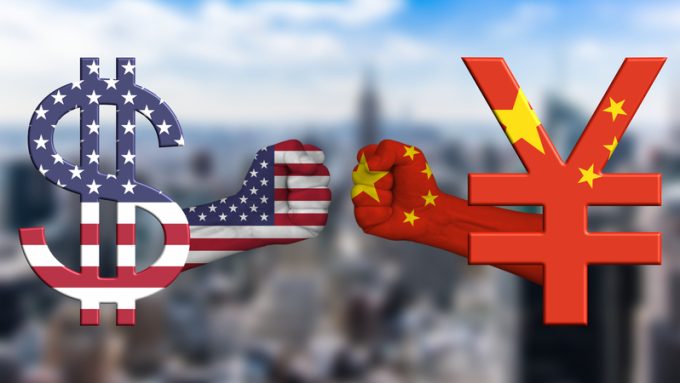
In the same month they began, China and the US have agreed to suspend port call fees on each another’s ships – but only for a year.
The news follows a meeting in South Korea today between presidents Trump and Xi Jinping, after which China’s Ministry of Commerce said the US would pause its Section 301 fees and China would suspend its retaliatory measures, for 12 months.
Fine detail, such as the date of the fee suspensions, has yet to be announced.
The yo-yo-ing over port fees and 365-day deadline has again highlighted the uncertain trade environment stakeholders have to contend with when making operational decisions – some carriers had already prepared for penalties and adjusted accordingly.
One recent casualty of China’s port-call fees for US affiliates was a containership operated by Chinese carrier Cosco on an intra-Asia service. It skipped calls in China this week, subject to the newly imposed port fees for US‑linked vessels. The authorities reportedly determined the US shareholding in the carrier exceeded China’s 25% threshold.
“It may be China’s way of demonstrating strict and impartial enforcement — even state‑owned companies are not exempt,” a source close to the company had told Lloyd’s List.
Across the Atlantic, the USTR fee on Chinese-affiliated vessels making US port calls had started to bite. Atlantic Container Line (ACL) was hit with a $34m fee last week, its five 3,807 teu Chinese-built con-ro ships considered ro-ro ‘vehicle-carriers’ by the Trump administration.
ACL CEO Andy Abbott said if the company had to continue to pay the tariffs, it could be forced to relocate operations outside the US – a move that can now be avoided.
Destine Ozuygur, product marketing manager at Xeneta, told The Loadstar most blanked sailings currently visible that weren’t a consequence of Golden Week were on US-bound Chinese-operated services.
They include three sailings of Cosco’s IPE2 service, 12 across four Ocean Alliance services, and six across the Ocean Alliance’s PNW1 and PNW4 services.
Jérôme de Ricqlès, senior liner shipping expert at Upply, told The Loadstar that, historically, he could categorise blanked sailings as either “defensive” or “offensive” decisions from the carriers.
“This time, with the USTR fees, the Chinese retaliation programme and the first impacts, I see the creation of a third type of blanked sailing that I call ‘over-blanking’,” he said.
“This is a hybrid between defensive blanked sailings and external factors outside a carrier’s polices that will push it to blank more than the carrier initially would like to,” he explained.
It is yet to be seen if any of the port-fee related blanked sailings will be re-instated once the fees are removed.
Lars Jensen, CEO of Vespucci Maritime, said: “Given this is a time-limited suspension, it would likely see shipping lines maintain a deployment stance whereby they, to some degree, still abide by the restrictions, and certainly keep a plan for vessel-reshuffling handy.”
For uninterrupted access, sign in or sign up to The Daily News, Premium or The Loadstar Enterprise Plan.
Comment on this article