Prepaid consolidation: Walmart launches 'inbound supplier logistics' service
PRESS RELEASE Walmart Enhances Supply Chain to Bring Customers What They Need, When They Need It New ...

WTC: NO LUCKCHRW: 'NUCLEAR VERDICT'DSV: DEEP CUTKNIN: UPGRADEDKNIN: AI BENEFITSKNIN: NOT WORTH ITPLD: DEAL TIMEKNIN: CONF CALL CLOSING KNIN: PRICING POWER KNIN: MARKET SHARE GAINS IN ROAD KNIN: AI-RELATED COST INFLATION OUTLOOKKNIN: APEX LOGISTICS IPO UPDATEKNIN: QUESTION TIMEKNIN: 'COST REDUCTION PROGRAMME IS ON TRACK'KNIN: CFO REMARKSKNIN: MONETARY IMPACT FROM AI KNIN: AI UPSIDEKNIN: STRONG ROAD UNIT DELIVERY KNIN: AIR LOGISTICS SHINES
WTC: NO LUCKCHRW: 'NUCLEAR VERDICT'DSV: DEEP CUTKNIN: UPGRADEDKNIN: AI BENEFITSKNIN: NOT WORTH ITPLD: DEAL TIMEKNIN: CONF CALL CLOSING KNIN: PRICING POWER KNIN: MARKET SHARE GAINS IN ROAD KNIN: AI-RELATED COST INFLATION OUTLOOKKNIN: APEX LOGISTICS IPO UPDATEKNIN: QUESTION TIMEKNIN: 'COST REDUCTION PROGRAMME IS ON TRACK'KNIN: CFO REMARKSKNIN: MONETARY IMPACT FROM AI KNIN: AI UPSIDEKNIN: STRONG ROAD UNIT DELIVERY KNIN: AIR LOGISTICS SHINES
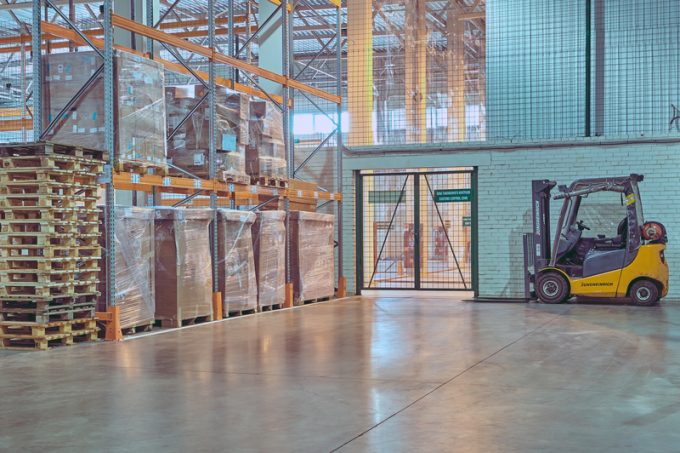
Uncertainty in a shifting trade landscape is prompting US importers to resort to a tool created in the 19th century, with a crescent wave of interest in bonded warehouse facilities.
There firms can store imported goods on US soil without having to pay tariffs and duties as they enter the country, providing breathing space to await the outcome of tariff negotiations in Washington on the various origin markets.
Operators of bonded warehouses say they have been inundated with queries for space in their facilities – one, in the Pacific north-west region, has seen a six-fold rise in enquiries.
The same dynamic has fuelled interest in foreign trade zones, reported Bob Imbriani, EVP international at forwarder Team Worldwide, and Taiwan-based forwarder Dimerco has also noted an increase in the use of FTZs in the US, reported global sales and marketing executive Bryann Lim.
Normally, bonded warehousing is a niche segment on the US storage scene. Owing to tight regulations tied to government certification, the cost is considerably higher than for regular warehouse space. The current “extraordinary demand” has pushed the differential to levels as much as 60% higher, according to one report.
In the face of potential tariffs in excess of 40% for goods from major suppliers in South-east Asia, like Vietnam or Cambodia, this higher warehousing cost seems a relatively small price to pay to await a clearer picture on duties.
It also affords them flexibility to sell product in small batches, while keeping most of their inventory for as long as needed.
US bonded warehousing regulations allow companies to hold inventory for up to five years before tariffs are due. Theoretically, firms could keep goods in these facilities beyond the tenure of the Trump administration – but prolonged high inventory costs effectively rule this out.
Some observers predicted a temporary shortage of bonded warehousing capacity, as well as a push from traditional warehouse operators to seek certification for some of their facilities. Locations near cargo gateways like the Los Angeles-Long Beach port complex are seen as prime areas for such developments. However, the process takes about a year, by which time there should be a clearer picture of the US tariff structure on imports.
Notwithstanding a slowdown in activity that set in during the latter half of last year, the US warehousing market remains tight and could see another squeeze as companies look to increase their footprint.
Amazon is currently chewing on a plan to spend $15bn on some 80 new logistics facilities in the US. For the most part, these would be delivery hubs, plus some large fulfilment centres.
Walmart is also expanding its footprint, having opened a one million sq ft warehouse in Jacksonville this month, which serves as distribution centre to serve 25 locations across Florida, Georgia, South Carolina and Puerto Rico.
Chinese e-commerce giant Temu is building out its network of US fulfilment centres in a strategic shift to move a large portion of its US business to a combination of US-based inventory brought in by ship and a growing portion of US-based sellers on its platform.
New warehouse construction in the US slipped 34% in the latter half of last year, from 2023, which suggests a potential squeeze. On the other hand, a recession, triggered by Washington’s trade policy, would dampen the flow of goods looking for warehouse space.
Check out today’s NIB episode for an update on the last seven days in the supply chain!
For uninterrupted access, sign in or sign up to The Daily News, Premium or The Loadstar Enterprise Plan.
Comment on this article