Airline reliability still 'mediocre' – but it's not always the carrier's fault
Average airline reliability ‘marginally’ improved in August, according to the latest Cargo IQ data, but ...

JBHT: HERE WE GOPG: STEADYEXPD: NEW RECORD BA: DELIVERIESMAERSK: BEAR CAMP MUSINGSCHRW: HIGHER HIGHS ON THE RADARWTC: 'ONE RECORD'HLAG: EARNINGS GUIDANCE UPGRADE AAPL: GLOBAL SMARTPHONE SHIPMENTS VW: THE IMPACT VW: MASSIVE JOB CUTS CONFIRMEDEXPD: BULLISH
JBHT: HERE WE GOPG: STEADYEXPD: NEW RECORD BA: DELIVERIESMAERSK: BEAR CAMP MUSINGSCHRW: HIGHER HIGHS ON THE RADARWTC: 'ONE RECORD'HLAG: EARNINGS GUIDANCE UPGRADE AAPL: GLOBAL SMARTPHONE SHIPMENTS VW: THE IMPACT VW: MASSIVE JOB CUTS CONFIRMEDEXPD: BULLISH
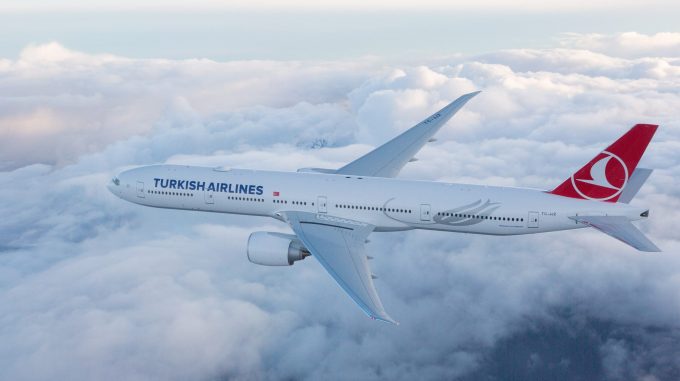
Indian aviation authorities have Turkish Airlines in their firing line, for multiple lapses in regulatory compliance, another layer to the controversy sparked by recent geopolitical events surrounding the India-Pakistan conflict.
Scrutiny by officials from the Directorate General of Civil Aviation (DGCA) covered the airline’s passenger and cargo flights out of Delhi, Hyderabad, Chennai, and Bengaluru between 29 May and 2 June.
The news comes weeks after New Delhi abruptly banned airport ground handler Celebi Aviation from operating at nine airports in the country, citing its Turkish ownership connections – an issue rooted in New Delhi’s view that Turkey had aligned with Pakistan, diplomatically and militarily, during the crisis.
“The inspections were carried out to ensure compliance with both international and national safety regulations,” India’s Ministry of Aviation said.
One lapse reported during the surprise inspection was that hazardous cargo handling had no proper documentation. The DGCA is said to have discovered mandatory approval from the directorate “for carriage of dangerous goods to/from India” was missing.
Authorities also warned Turkish Airlines that follow-up inspections would be made “to ensure continuous safety oversight”.
The DGCA said: “Turkish Airlines has been directed to address these findings promptly, and ensure full compliance with ICAO [Convention on International Civil Aviation] standards and recommended practices, as well as DGCA regulations.”
It added: “DGCA emphasises its unwavering commitment to ensuring the safety and regulatory compliance of all foreign operators within Indian airspace.”
Turkish Cargo operates some 20 freighter services a week out of six major Indian airports, according to available data, a network which handled some 86,000 tons of Indian cargo last year, anecdotally worth $500m by trade value, mostly Indian pharmaceutical and ecommerce shipments to Europe, Africa and the US moving via Istanbul.
This government pushback against Turkish Airlines, or its broader business interests in the Indian market, is not an isolated case and might not stop. A few days ago, IndiGo, India’s largest private airline, also received a government diktat to terminate its ‘damp lease’ deal with Turkish Airlines, involving two B777 widebody aircraft that allowed IndiGo to offer direct connections from Delhi and Mumbai to Istanbul.
Additionally, both carriers have had codeshare arrangements for several destinations across the EU and US.
The Indian carrier has been granted until end-August to wind up all operations with its Turkish partner, instead of a six-month security clearance extension it had sought. IndiGo had highlighted the significance of its partnership with Turkish Airlines for the Indian aviation industry.
“This arrangement not only enhances the connectivity of Indian hubs, like Delhi and Mumbai, but the additional revenue has also led to increased tax contributions to the Indian exchequer.”
Now, according to industry sources, IndiGo has halted accepting cargo bookings for Istanbul.
For uninterrupted access, sign in or sign up to The Daily News, Premium or The Loadstar Enterprise Plan.

Comment on this article
Rajeev Kathuria
June 08, 2025 at 10:28 amglobal nature of the airline industry and the consequences of punitive actions. Airlines operate across international borders, connecting economies and people, so any major decision affecting them can have widespread effects.
The idea of airspace being universally accessible is a compelling argument, though countries do have sovereignty over their skies, which has led to airspace restrictions for political, security, or environmental reasons. Still, a completely open sky would change how international aviation functions.