US investment fund buys stake in CMA CGM box terminals
US investment fund Stonepeak has expanded its presence in the transport & logistics sector, yesterday ...

WTC: NO LUCKCHRW: 'NUCLEAR VERDICT'DSV: DEEP CUTKNIN: UPGRADEDKNIN: AI BENEFITSKNIN: NOT WORTH ITPLD: DEAL TIMEKNIN: CONF CALL CLOSING KNIN: PRICING POWER KNIN: MARKET SHARE GAINS IN ROAD KNIN: AI-RELATED COST INFLATION OUTLOOKKNIN: APEX LOGISTICS IPO UPDATEKNIN: QUESTION TIMEKNIN: 'COST REDUCTION PROGRAMME IS ON TRACK'KNIN: CFO REMARKSKNIN: MONETARY IMPACT FROM AI KNIN: AI UPSIDEKNIN: STRONG ROAD UNIT DELIVERY KNIN: AIR LOGISTICS SHINES
WTC: NO LUCKCHRW: 'NUCLEAR VERDICT'DSV: DEEP CUTKNIN: UPGRADEDKNIN: AI BENEFITSKNIN: NOT WORTH ITPLD: DEAL TIMEKNIN: CONF CALL CLOSING KNIN: PRICING POWER KNIN: MARKET SHARE GAINS IN ROAD KNIN: AI-RELATED COST INFLATION OUTLOOKKNIN: APEX LOGISTICS IPO UPDATEKNIN: QUESTION TIMEKNIN: 'COST REDUCTION PROGRAMME IS ON TRACK'KNIN: CFO REMARKSKNIN: MONETARY IMPACT FROM AI KNIN: AI UPSIDEKNIN: STRONG ROAD UNIT DELIVERY KNIN: AIR LOGISTICS SHINES
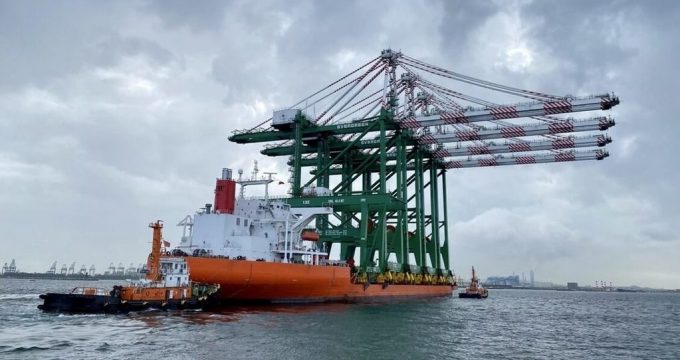
Anxious to boost the competitiveness of Taiwan’s container terminals, the island’s parliament, Executive Yuan, is to allow terminal operators to employ foreigners as stevedores.
Taiwan’s main container port, Kaohsiung, is now languishing outside the world’s top 10, having faded from being the third-busiest, in the 1980s and 1990s. Kaohsiung processed 9.2m teu in 2024, ranking it the 20th busiest world gateway.
Difficulties in employing locals mean its terminals cannot operate 24/7.
And with the government capping the hiring of foreign stevedores at 10%, terminal operators claim this is insufficient to address the manpower shortage. Many Taiwanese shun hard labour jobs, and terminal operators feel that raising the cap to 20% is more realistic.
Many Taiwanese container terminals are operated by liner operators, but costs are high, making it difficult to compete with Chinese and South-east Asian ports.
To protect locals from displacement, the government stipulates that for every new foreign worker hired, the industry must also increase the salary of the lowest paid local worker by TW$2,000 ($65) a month.
Other factors, such as the relocation of enterprises and geopolitical tensions have complicated the prospects for Taiwanese ports.
The boom and rising dominance of Chinese ports like Shanghai, Ningbo, Shenzhen, Guangzhou and Qingdao, and new competition for transhipment cargo from emerging South0east Asian ports, is all eroding Kaohsiung’s volumes.
And the tension between China and Taiwan, regarded by the former as a renegade province, to be retaken by force if necessary, also creates risks to cross-strait cargo flows – a threat that contrasts with Chinese authority efforts to boost this traffic.
Furthermore, recent US-China trade tensions saw some Chinese manufacturing shift to South-east Asia, boosting transhipment volumes in ASEAN ports, at Kaohsiung’s expense.
In response, Taiwan has upgraded port infrastructure. The flagship No 7 Container Centre, operated by the largest Taiwanese line, Evergreen, saw throughput of 3.5m teu in 2024 and expects this to rise to 4.6m teu this year.
Kaohsiung is also gearing up for the new generation of clean fuel container vessels. Kaohsiung Port Green Fuel Bunkering Service started providing LNG and methanol bunkering services this year.
For uninterrupted access, sign in or sign up to The Daily News, Premium or The Loadstar Enterprise Plan.
Comment on this article