Exporters demand compensation after floods disrupt Chittagong port
Bangladesh’s exporters are seeking compensation after nearly a week of heavy rain severely disrupted import ...


JBHT: NEW HIGHS EVERYWHEREPLD: STRONG DELIVERYJBHT: FAIR-VALUE CONSENSUS ESTIMATE AT ALL-TIME HIGH KNIN: AI TECH ADVANTAGEPLD: TRADING UPDATE ON THE WAY KNIN: UPSIDEJBHT: STRONG TRADING UPDATE DSV: EVERY LITTLE HELPSJBHT: CEO REMARKS WMT: VERTICAL INTEGRATION IN LOGISTICS
JBHT: NEW HIGHS EVERYWHEREPLD: STRONG DELIVERYJBHT: FAIR-VALUE CONSENSUS ESTIMATE AT ALL-TIME HIGH KNIN: AI TECH ADVANTAGEPLD: TRADING UPDATE ON THE WAY KNIN: UPSIDEJBHT: STRONG TRADING UPDATE DSV: EVERY LITTLE HELPSJBHT: CEO REMARKS WMT: VERTICAL INTEGRATION IN LOGISTICS
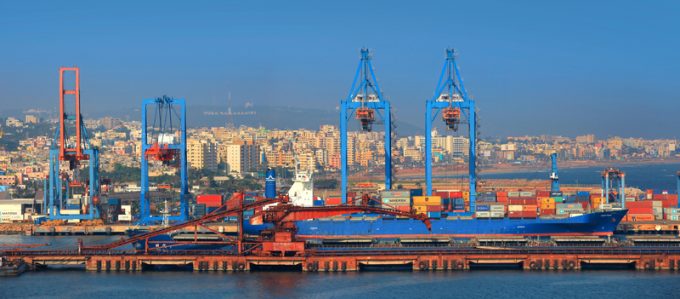
India has offered Bangladesh shippers the use of its seaports for export and import trade to third countries.
The offer came during a virtual meeting last week between the prime ministers of the two countries, as the regional transhipment hub ports of Singapore, Colombo and Port Klang, with limited manpower during the pandemic and facing severe congestion, are struggling to handle containers.
“We have offered the use of our seaports to Bangladesh for export to third countries by bringing in goods using railway containers,” said Smita Pant, joint secretary in India’s external affairs ministry.
On the same day, Bangladesh and India reopened a rail link between Haldibari and Chilahati, targeting both goods and passenger movement.
During the first wave of Covid-19, when movement of goods by trucks was suspended to restrict the spread of the virus, rail containers became the key mode for goods transport.
Bangladesh’s traditional container supply chain typically sees export and import containers transhipped via regional hubs, using feeder vessels, but many of the hubs are facing severe congestion, delays and increased operational costs.
Shipping sources said if Bangladesh started using Indian seaports instead, the congestion at the transhipment hub ports could be reduced.
Mohammed Abdullah Jahir, director of the Bangladesh Shipping Agents Association, pointed to the joint Europe-Middle East service operated by Cosco, Yang Ming, Hapag-Lloyd, OOCL and ONE, deploying nine vessels of between 5,500 teu and 7,300 teu, according to liner database eeSea.
The service turns at India’s east coast and includes a weekly call at Visakhapatnam.
“This port can be used as an alternative to congested regional hub ports, provided feeder companies agree to operate vessels between Visakhapatnam and Bangladeshi ports,” he told The Loadstar.
Mr Jahir said if adequate containers were available, the feeder companies would offer to operate vessels on this route.
President of Chittagong Chambers of Commerce and Industry Mahbubul Alam said the congestion at hub ports was pushing freight rates up, increasing the price of goods and pressure on consumers.
“If it is found that using Indian seaports cuts transhipment delay, we will definitely welcome the offer,” he told The Loadstar.
Vessels with a draught of up to 17 metres can berth at Visakhapatnam, which handled just under 500,000 teu last year, according to eeSea.
For uninterrupted access, sign in or sign up to The Daily News, Premium or The Loadstar Enterprise Plan.

Comment on this article