USTR revises proposals for port fees for Chinese car-carrier and LNG vessels
The US Trade Representative (USTR) has again revised its proposals for the new fee structure ...

GM: TRADING UPDATE OUTUPS: REMEMBER THE TAILWINDS PLD: NEW RELEASEPLD: OUCHVW: NEW PARTNERS SOUGHTEXPD: AIRCRAFT ON GROUND SERVICESTSLA: JUST AS VW STRUGGLESBA: NEW BIG ORDERBA: THE ORDERBOOK GROWSPLD: PUSHING FOR A DEAL PLD: TIME TO DEALEXPD: ANOTHER ALL-TIME HIGH CHRW: NEW RECORD DSV: AHEAD OF EARNINGS RELEASE JBHT: NEW HIGHS EVERYWHERE
GM: TRADING UPDATE OUTUPS: REMEMBER THE TAILWINDS PLD: NEW RELEASEPLD: OUCHVW: NEW PARTNERS SOUGHTEXPD: AIRCRAFT ON GROUND SERVICESTSLA: JUST AS VW STRUGGLESBA: NEW BIG ORDERBA: THE ORDERBOOK GROWSPLD: PUSHING FOR A DEAL PLD: TIME TO DEALEXPD: ANOTHER ALL-TIME HIGH CHRW: NEW RECORD DSV: AHEAD OF EARNINGS RELEASE JBHT: NEW HIGHS EVERYWHERE
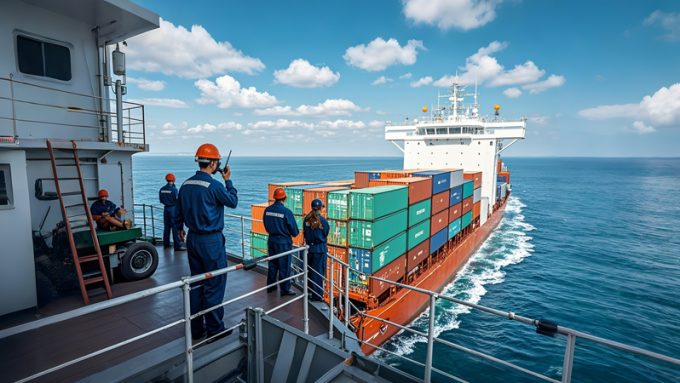
The Q3 Seafarers Happiness Index (SHI) has provided “a stark reality check”, and operators are urged to prioritise crew wellbeing to boost performance and attract talent.
The SHI average score fell to 7.05 out of 10, a drop from Q2’s “encouraging” 7.54.
The report said: “This significant drop signals deep-rooted challenges resurfacing across the seafaring profession. The data paints a particularly alarming picture: nearly every measured aspect of seafarer wellbeing has deteriorated.”
These aspects include wages, training, health, and workload management. The wage score was down to 6.81/10 from 7.52, while training was down to 6.99 from last quarter’s 7.75.
Meei Wong, CEO and founder of crew wellbeing technology company CircleDV, told The Loadstar that ignoring the welfare of seafarers made the shipping sector “less appealing”, which in turn risked supply chain resilience, increases human error incidents, and further depleted the maritime talent pool.
“We must recognise that the global shipping fleet is facing a significant challenge when it comes to human capital,” she urged.
Indeed, the BIMCO/ICS seafarer workforce report has predicted a shortage of nearly 90,000 officers by 2026, while an IMO-WISTA survey found a mere 1% of active seafarers are women.
The report included one seafarer anecdote that highlighted that the crew workload was being stretched to compensate for the ship being short-staffed. Ms Wong added: “We really need to focus on rebuilding the profession’s appeal by improving life on board, specifically focusing on rest, connectivity, health, and purpose”
And, according to her, looking after the crew should not be viewed as “just an expense”, but can actually boost a company’s performance.
“Compliance-based safety standards really only check if crews are following the rules. This can actually lead to a ‘race to the bottom’ mentality instead of encouraging everyone to strive for excellence to keep people and ships safe.
“We can get leading indicators of risk in almost real time – things like rest, stress, heart rate patterns, and movement. Forward-thinking operators can connect these to their operational goals, preventing accidents before they happen and also getting the best return on investment from their human and physical assets.”
The Q3 report highlighted that rest hour violations had become normalised, with falsification of records “an open secret”.
It said: “The cognitive impairment from chronic fatigue creates risks comparable to alcohol intoxication, yet without equivalent recognition or mitigation strategies. The drop in health and exercise suggests this issue is worsening”
Ms Wong concluded: “The message is pretty straightforward: taking care of your crew directly protects your operational uptime and your brand’s reputation.”
For uninterrupted access, sign in or sign up to The Daily News, Premium or The Loadstar Enterprise Plan.
Comment on this article