Dutch top court annuls Schiphol flight cap
The Dutch cargo community will be relieved by the latest chapter in the now long-running ...

VW: THE IMPACT VW: MASSIVE JOB CUTS CONFIRMEDEXPD: BULLISHCHRW: POSITIONING AHEAD OF EARNINGSAMZN: IN THE NUMBERSAMZN: PEOPLE MATTER UNTILVW: THE LAST CUT IS THE DEEPESTJBHT: GEARING UP VW: BUYING TIMER: BIG VOTE OF CONFIDENCEAAPL: BEARISH HEDGEYE AAPL: THE BEAR CASEFDX: LIFE SCIENCES ORG UNVEILEDWTC: UPS AND DOWNSWTC: ASX ANNOUNCEMENT REGARDING DSV PARTNERSHIP VW: D-DAY
VW: THE IMPACT VW: MASSIVE JOB CUTS CONFIRMEDEXPD: BULLISHCHRW: POSITIONING AHEAD OF EARNINGSAMZN: IN THE NUMBERSAMZN: PEOPLE MATTER UNTILVW: THE LAST CUT IS THE DEEPESTJBHT: GEARING UP VW: BUYING TIMER: BIG VOTE OF CONFIDENCEAAPL: BEARISH HEDGEYE AAPL: THE BEAR CASEFDX: LIFE SCIENCES ORG UNVEILEDWTC: UPS AND DOWNSWTC: ASX ANNOUNCEMENT REGARDING DSV PARTNERSHIP VW: D-DAY
The latest monthly air cargo traffic figures from some of Europe’s airports illustrates a spectacular decline in Middle East volumes since the military conflict in the Gulf
However, its impact has been partially compensated by a growth in volumes to and from other regions.
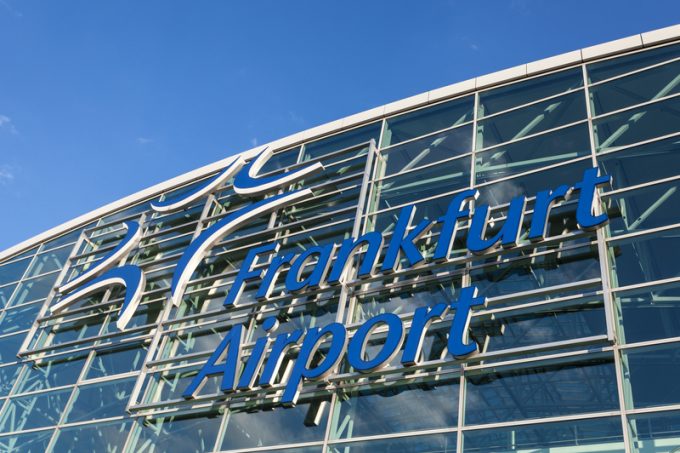
Frankfurt Airport (FRA) cargo traffic was stable in March – up 0.4% year over year, to approximately 185,500 tonnes.
Since the beginning of last month, the market has faced significant capacity constraints with airspace closed or restricted, operating company Fraport noted.
Freight volumes that would normally transit through the Middle East shifted to direct routes between Europe, Asia, and Africa.
Capacity on flights from FRA to the Middle East slumped by 51.5 %. To bring additional capacity to the market, an extra 50 ‘preighter’’flights (passenger aircraft reconfigured for cargo transport), notably by Emirates, were deployed, mainly on routes to Dubai, Fraport added.
Overall (freighter and belly), Middle East traffic fell by 44.3 %, but tonnage with the Far East (+9.1 %), Africa (+40 %), North America (+4.3 %), and Latin America (+5.7 %) all increased in March YoY.
Turning to Amsterdam Schiphol (AMS), after strong growth in January and February, March showed a slight decline, “mainly due to the ongoing geopolitical developments in the Middle East”, the Dutch hub said. Total air cargo tonnage in March reached 128,281 tonnes.
Outbound volumes to the Middle East were down 50.1% year over year, to 5,609 tonnes, while inbound traffic declined 47%, to 6,329 tonnes. Inbound volumes from the Far East (+8%), Middle/South America (+18%) and Africa (+15%) continued to show strong growth.
On the outbound side, Far East (+10%) and Africa grew (+8%) YoY but volumes to the US fell moderately (-4%).
The major commodities handled at AMS last month included electrical machinery, flowers, fashion, fruit & vegetables, pharmaceuticals, fish and spare parts.
At London Heathrow (LHR), Middle East traffic (outbound and inbound combined) slumped 54.3% in March, YoY. But it was not the sole factor in the airport recording a 6.6% decline in global cargo volumes last month, to 134,648 tonnes. Of geographical regions, only Asia Pacific and Africa show growth.
Liège Airport, in Belgium posted a 11% in cargo traffic in March YoY, taking tonnage to for the first quarter to 342,845 tonnes (+16%).
However, it underlined that despite these strong results, the international environment remains uncertain and volatile.
The Middle East war was reshaping the global air freight industry and supply chains with turbulences driven by numerous and contradictory factors like the significant increase in air cargo spot rates, the cost of jet fuel, the potential energy crisis, the inflation growth, and the restrictions on air space.
“In this context, Liege Airport is adopting a measured approach for the months ahead. While the outlook remains positive, 2026 is expected to continue to be shaped by rapid adjustments and demanding market conditions. The airport is therefore approaching the remainder of the year with vigilance, while maintaining a reasoned confidence in the continuation of its growth momentum”, said CEO Laurent Jossart.
Total cargo volume handled at Brussels Airport in March reached 74,419 tonnes in March increased by 8.8% compared to the same month in 2025.
Flown cargo increased by 5.1%, driven by growth in the integrator segment (+5.8%) and by strong growth in the full freighter segment (+14.1%), supported by additional frequencies to Latin America and Asia.
However, belly cargo decreased by 8%, mainly due to cancelled passenger flights to the Middle East.
Inside the industry’s AI shift
Complete The Loadstar’s ‘State of AI in the Supply Chain’ survey — and receive the full report and data before release.
For uninterrupted access, sign in or sign up to The Daily News, Premium or The Loadstar Enterprise Plan.

Comment on this article