Capacity injection for east-west trades as more ULCVs are delivered
East-west tradelanes saw some capacity injected over the past two weeks as several large containerships ...

WTC: NO LUCKCHRW: 'NUCLEAR VERDICT'DSV: DEEP CUTKNIN: UPGRADEDKNIN: AI BENEFITSKNIN: NOT WORTH ITPLD: DEAL TIMEKNIN: CONF CALL CLOSING KNIN: PRICING POWER KNIN: MARKET SHARE GAINS IN ROAD KNIN: AI-RELATED COST INFLATION OUTLOOKKNIN: APEX LOGISTICS IPO UPDATEKNIN: QUESTION TIMEKNIN: 'COST REDUCTION PROGRAMME IS ON TRACK'KNIN: CFO REMARKSKNIN: MONETARY IMPACT FROM AI KNIN: AI UPSIDEKNIN: STRONG ROAD UNIT DELIVERY KNIN: AIR LOGISTICS SHINES
WTC: NO LUCKCHRW: 'NUCLEAR VERDICT'DSV: DEEP CUTKNIN: UPGRADEDKNIN: AI BENEFITSKNIN: NOT WORTH ITPLD: DEAL TIMEKNIN: CONF CALL CLOSING KNIN: PRICING POWER KNIN: MARKET SHARE GAINS IN ROAD KNIN: AI-RELATED COST INFLATION OUTLOOKKNIN: APEX LOGISTICS IPO UPDATEKNIN: QUESTION TIMEKNIN: 'COST REDUCTION PROGRAMME IS ON TRACK'KNIN: CFO REMARKSKNIN: MONETARY IMPACT FROM AI KNIN: AI UPSIDEKNIN: STRONG ROAD UNIT DELIVERY KNIN: AIR LOGISTICS SHINES
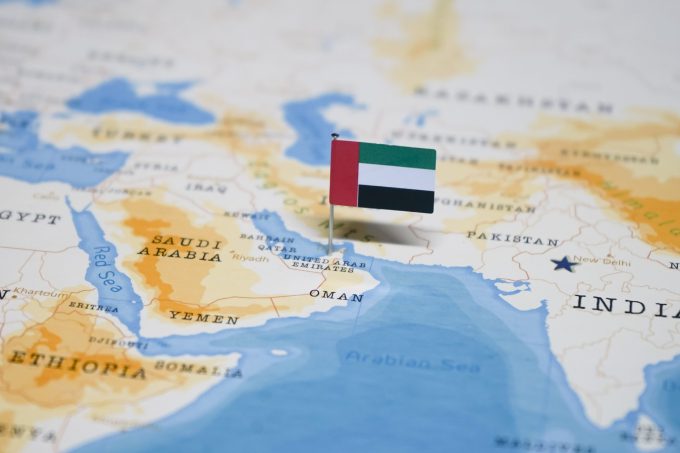
Authorities in the UAE are close to rolling out a revamped, tighter cargo manifest system for ocean carriers and other industry stakeholders.
The updated programme, to be launched on 31 July and known as Maritime Preload Cargo Information (MPCI), mandates that ship manifests for containerised cargo bound for the UAE are completed 24 hours before loading at the penultimate port of call.
Broadly, as the supply chain security threat perception grows, the rationale is that MPCI will provide an early risk assessment of inbound shipments, particularly for Jebel Ali, one of the world’s busiest container hubs.
But because the rule also applies to transhipment and ‘freight-remaining-on-board’ containers passing through UAE ports, it makes the scope of compliance even more daunting for stakeholders.
Theoretically, the new rule is similar to the long-running 24-hour US advance cargo declaration. It also mirrors India’s efforts with the Sea Cargo Manifest and Transhipment Regulations.
Given the MPCI’s anticipated complexities and challenges, the UAE’s National Advance Information Centre, tasked with collecting cargo and passenger information for risk evaluation and security screening, has given carriers and other stakeholders some leeway on full compliance, until March 2026.
MPCI filings will be in addition to the emirates’ established customs submissions already in place.
Container carriers have begun sending out notices to customers regarding the new mandate, warning them of potential consequences if they do not comply.
“The MPCI programme requires advance submission of information,” CMA CGM told customers, adding: “CMA CGM is enhancing its core systems to integrate your data for submissions.”
Hapag-Lloyd explained to customers that the onus for compliance or related liability would fall on freight forwarders or NVOs for house bills of lading, and on the carriers for master bills of lading.
“We strongly encourage all partners to ensure timely integration and compliance with this requirement, as it is separate from customs processes and mandatory for pre-loading clearance into UAE ports,” the German carrier added.
Singapore-based ONE said it would conduct a trial run of the programme in Q4 to “identify and address any potential issues before full implementation.”
UAE authorities are known for having little flexibility when it comes to implementing regulations, so stakeholders have an arduous task ahead of them, industry sources believe.
Local freight forwarders believe they will need to invest in tech-enabled solutions to achieve the demanding preparedness and compliance benchmarks. One told The Loadstar: “Some teething troubles will be inevitable, but everyone will need to run along the evolving environment.
“The Dubai shipping industry is typically a fast-paced market.”
The source cautioned that, given the stringent enforcement approach of UAE governments, non-compliance after the grace period would run the risk of heavy penalties and/or cargo seizure.
MPCI is the latest example of a wave of trade regulations taking hold in the region. Recently Dubai Maritime Authority barred shipping lines from collecting terminal handling charges directly from customers, in an attempt to improve transparency in the supply chain.
For uninterrupted access, sign in or sign up to The Daily News, Premium or The Loadstar Enterprise Plan.
Comment on this article