Spot rates surge again as carriers push through fresh July hikes
A series of container freight spot rate hikes and general rate increases implemented on 15 ...
WTC: ANOTHER DIFFICULT WEEK CHRW: NEW PRODUCT LAUNCHDSV: LEADING THE DROP RXO: CRATERINGDSV: WHAT TO LIKEDSV: BULLISH BAMZN: 'AI EDGE'HD: HERE IS HOW IT LOOKSAMZN: REG RISKMAERSK: MOST HARMED
While the partial return of containerships to the Red Sea has stoked fears of overwhelming port congestion in Northern Europe, a number of gateways outside the region could be in for a volume bonanza if Suez transits increase.
One of the chief effects of the Houthi attacks, and diversion of commercial shipping from the Red Sea and Suez Canal, was an almost overnight decline in liner connectivity in almost every Mediterranean and Red Sea port.
This is likely to be reversed, as increasing numbers of Europe-bound vessels transit Suez and, according to new analysis from Sea Intelligence Consulting, would result in a massive unlocking of connectivity for the two Saudi Red Sea ports – Jeddah and King Abdullah – which lie between the Houthi-dominated Bab Al Mandab straits and the canal.
For example, Jeddah is expected to see its liner connections – the number of other ports it is connected to – jump from 393 to 1,205 after a full-scale return to Suez.
It added that major Mediterranean transhipment hubs that had seen ship-calls and transhipment volumes drop dramatically over the past two years, would likely see a similar reversal of fortunes.
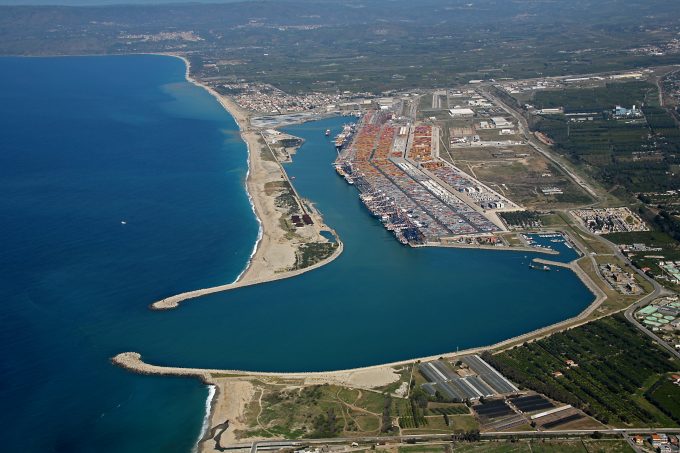
“Port Said, the literal gateway to the Suez Canal, and the transhipment ports of Piraeus and Gioia Tauro, also suffered from a lack of mainline calls on Asia-Europe services, as the detour rendered the “double-back” into the Mediterranean operationally unviable (crossing into the Mediterranean via the Strait of Gibraltar and going back out),” said Sea Intelligence.
“Consequently, their re-insertion into the Asia-Europe network will likely mirror the correction seen in the data for the Red Sea ports.”
However, it also warned that a rapid restoration of port calls to Mediterranean transhipment hubs could cause issues by itself.
“The projected recovery potential figures for the Red Sea-Mediterranean/Levant, East and Central Mediterranean regions indicate that the initial phase of the reopening will be characterised by a chaotic rush to restore deleted calls, posing a significant risk of terminal congestion, as services are likely reactivated simultaneously,” it said.
Another challenge is the full implementation of the EU’s ETS carbon tax on container shipments on 1 January, which could limit the amount of transhipment in the Mediterranean as shippers try to reduce their exposure to the extra costs.
Meanwhile, Sea Intelligence reiterated the challenges likely to face North Europe in the event of a full-scale return of liner networks to Suez in what it calls the “Double Influx” problem.
“North European ports will likely face a transitional hurdle, caused by the difference in transit times between the two routes.
“As faster Suez-routing vessels catch up to the tail-end of the slower Cape-routing fleet, there is a port congestion risk specific to the destination region.
“As carriers redirect services back to Suez (saving roughly 14 days), these vessels will arrive in North Europe at the same time as the final wave of vessels that were committed to the long Cape route weeks prior.
“For hubs like Antwerp and Rotterdam, this overlap will create an artificial spike in arrival volumes that will likely exceed terminal handling capabilities in those ports, resulting in high yard density and berth wait times,” it said.
Listen to our latest News in Brief Podcast to catch up with all of last week’s main news items!
For uninterrupted access, sign in or sign up to The Daily News, Premium or The Loadstar Enterprise Plan.
Comment on this article