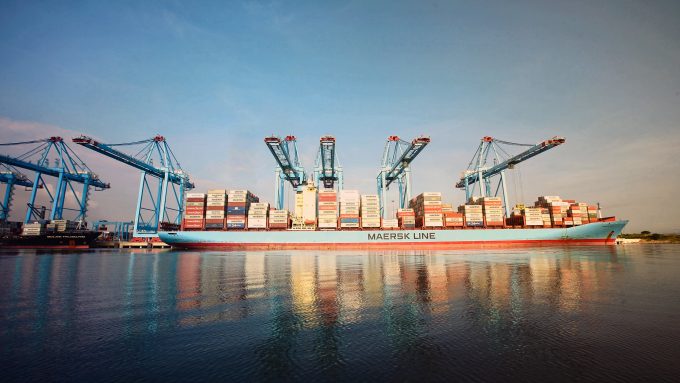
Puerto Lazaro Cardenas Source APM Terminals
Lazaro Cardenas. Photo: APM Terminals

Mexico’s main Pacific gateways have struggled with rising imports, despite investments in terminals, equipment and infrastructure, and operators want better alignment with the public sector to avoid further decline in performance.

Truckers and customers are waiting longer for their cargo at the port of Lazaro Cardenas these days. Since customs at the port stepped up its cargo inspections, wait times have stretched on average to eight hours, according to the port’s forum of logistics companies. Average processing times for imported new cars have risen to slightly over ten hours.

This setback has largely wiped out improvements in processing times seen over the past couple of years and it is hurting truckers’ revenues, as they see their equipment idle for longer.

Over the first seven months of this year, the port’s tonnage slid 7.6% year on year, due to a slump in bulk mineral cargo, but container throughput climbed 10%, and auto traffic (Lazaro Cardenas is the leading Mexican gateway for this) was up 7.5%. Despite these increases, industry executives argue that operating capacity is not the problem.

Lazaro Cardenas actually holds better cards than Mexico’s other major gateways: opened in 2013, it is comparatively modern and better planned, has deeper navigation channels and more than 1,100 ha of available land to expand.

The port authority and terminal operators have taken steps to expand. The former acquired 608 ha on adjacent La Palma Island and intends to spend MX$6.39bn (US$342.57m) on its development until 2030. Hutchison Ports and APMT are expanding their yards and walls to boost capacity by over 40%.

However, these efforts are in danger of being wasted without a corresponding push from the authorities for improvements, warned John Sanchez, commercial director of APM Terminals Lazaro Cardenas. The investments must be accompanied by more agile customs operations and coordinated processes, he stressed, adding that regulatory processes had remained slow and fragmented.

This was echoed by Jose Antonio Contreras, CEO of Contecon Manzanillo, who argues that private sector investments are insufficient without parallel effort by the government. This should include improvements with customs, access routes to the port and available labour, he added.

Contecon is expanding its capacity at Manzanillo, which is scheduled for completion next year.

While capacity is stretched on multiple fronts at the ports, the rail infrastructure serving Lazaro Cardenas is under-utilised, according to rail operator CPKC, which blames concerns about crime for this, pointing to rail blockades that have given shippers second thoughts about using rail.

Some operators view fighting highway and rail crime as one of the vital aspects the Mexican government should step up, in addition to improving alignment between agencies like Customs with the logistics sector.

The long shadow of crime over rail transport has direct repercussions on container terminal configurations. According to one report, Hutchison had to set up its facility at Lazaro Cardenas to accommodate a high volume of trucks as a result.

Get up to speed on all things supply chain!

Comment on this article


You must be logged in to post a comment.