Maersk and MSC's new plan to qualify to bid for Santos Tecon 10
APM Terminals and MSC-owned terminal operator TiL have reportedly submitted a proposal to Brazil’s competition ...

KNIN: AI BENEFITSKNIN: NOT WORTH ITPLD: DEAL TIMEKNIN: CONF CALL CLOSING KNIN: PRICING POWER KNIN: MARKET SHARE GAINS IN ROAD KNIN: AI-RELATED COST INFLATION OUTLOOKKNIN: APEX LOGISTICS IPO UPDATEKNIN: QUESTION TIMEKNIN: 'COST REDUCTION PROGRAMME IS ON TRACK'KNIN: CFO REMARKSKNIN: MONETARY IMPACT FROM AI KNIN: AI UPSIDEKNIN: STRONG ROAD UNIT DELIVERY KNIN: AIR LOGISTICS SHINESKNIN: SEA LOGISTICS PERFORMANCE KNIN: CEO REMARKSKNIN: CONF CALL F: NEW PARTNERSHIP DISCLOSED
KNIN: AI BENEFITSKNIN: NOT WORTH ITPLD: DEAL TIMEKNIN: CONF CALL CLOSING KNIN: PRICING POWER KNIN: MARKET SHARE GAINS IN ROAD KNIN: AI-RELATED COST INFLATION OUTLOOKKNIN: APEX LOGISTICS IPO UPDATEKNIN: QUESTION TIMEKNIN: 'COST REDUCTION PROGRAMME IS ON TRACK'KNIN: CFO REMARKSKNIN: MONETARY IMPACT FROM AI KNIN: AI UPSIDEKNIN: STRONG ROAD UNIT DELIVERY KNIN: AIR LOGISTICS SHINESKNIN: SEA LOGISTICS PERFORMANCE KNIN: CEO REMARKSKNIN: CONF CALL F: NEW PARTNERSHIP DISCLOSED
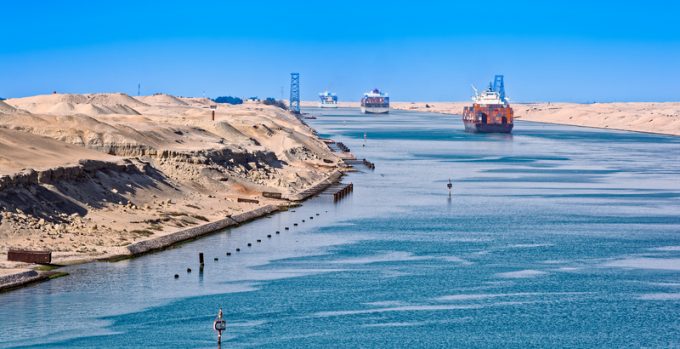
Maersk has conducted its second Suez Canal sailing in as many weeks, the world’s second-largest box ship operator confirming the 6,200 Maersk Denver transiting the besieged waterway between 11 and 12 January.
Following the successful passage of the 6,645 teu Sebarok through the Red Sea on 23 December, the container line said it had opted for a second voyage along the east-west corridor via the canal.
Maersk told customers: “Assuming that security thresholds continue to be met, we will continue our stepwise approach towards gradually resuming navigation along the east-west corridor via the Suez Canal and the Red Sea.”
Xeneta’s eeSea liner database said that the vessel – deployed on the Middle East-North America MECL1 service – “went dark” three days prior to its transit, “echoing the cautious cloaking pattern” of other vessels that have attempted Suez sailings.
The Sebarok is scheduled to reach its first US discharge port, New York, today, while the Danver remains ‘dark’ following its clearance of the Bab-al-Mandeb strait yesterday afternoon, and is scheduled to reach the US on Friday.
Destine Ozuygur, senior market analyst at Xeneta, commented: “What does this mean for Maersk? If the carrier completes two successful passages within a three-week window, it’s highly likely it will increase the frequency of these trials.
“This could take shape in using eastbound and westbound passages on the MECL1 rotation, additional vessels on this string, one-way transits on other services, or a combination of all three,” she added.
While Maersk says “there are no additional sailings to announce at this time”, Ms Ozuygur said, barring any changes in Houthi-Israel relations, she expected “at least one more” Maersk vessel making a westbound passage within a fortnight.
These sailings have upended the sector’s expectations for a “full-throated” return to the Red Sea, joining the CMA CGM INDAMEX and Ocean Alliance MEX services, ONE’s slot chartering activity, and purported looming Premier Alliance trials.
“Taking the above into account, and the message Maersk’s growing confidence sends to its peers, the sporadic trickle of passages may very soon become a modest stream, if ceasefire conditions continue to be met,” added Ms Ozuygur.
“A service like Premier Alliance’s round-the-world EC2 would be a good candidate for trials. It has just one eastbound Cape of Good-Hope passage and could conveniently cut round-trip time between Asia and North America with lower-risk partial commitment on the backhaul.”
However, she warned shippers not to lick their lips just yet, pointing out that while the present abundance of capacity may suggest a rates bonfire, the risks to reliability and on-time shipments were potential shocks to be wary of.
Nonetheless, it comes amid another regional flashpoint, with Iran having warned American and Israeli shipping interests in the region that they would be targets should the US attack the country following nationwide domestic protests – although this does not seem to vexing the sector.
Yesterday The Loadstar reported the biggest threat from Iran would come from it shutting off access to the Strait of Hormuz, but sources today said it reflected a similar situation last year “and it didn’t manifest in any attacks on vessels, but there have been several seizures to date”.
One source told The Loadstar: “Iran is outmanned and outgunned by American military forces, and Trump clearly doesn’t shy from throwing his weight around. I don’t believe Iran will risk all-out war or further bombings on the mainland by conducting systemic attacks on vessels.”
For uninterrupted access, sign in or sign up to The Daily News, Premium or The Loadstar Enterprise Plan.
Comment on this article