Logistics and resilience are key as Saadé warns supply chain disruption is 'new normal'
CMA CGM chairman and CEO Rodolphe Saadé has outlined how the French shipping giant is ...


VW: THE LAST CUT IS THE DEEPESTJBHT: GEARING UP VW: BUYING TIMER: BIG VOTE OF CONFIDENCEAAPL: BEARISH HEDGEYE AAPL: THE BEAR CASEFDX: LIFE SCIENCES ORG UNVEILEDWTC: UPS AND DOWNSWTC: ASX ANNOUNCEMENT REGARDING DSV PARTNERSHIP VW: D-DAYPLD: KEEP PUSHINGDHL: NEW AIR SERVICEDHL: GUIDANCE UPGRADE REACTION
VW: THE LAST CUT IS THE DEEPESTJBHT: GEARING UP VW: BUYING TIMER: BIG VOTE OF CONFIDENCEAAPL: BEARISH HEDGEYE AAPL: THE BEAR CASEFDX: LIFE SCIENCES ORG UNVEILEDWTC: UPS AND DOWNSWTC: ASX ANNOUNCEMENT REGARDING DSV PARTNERSHIP VW: D-DAYPLD: KEEP PUSHINGDHL: NEW AIR SERVICEDHL: GUIDANCE UPGRADE REACTION
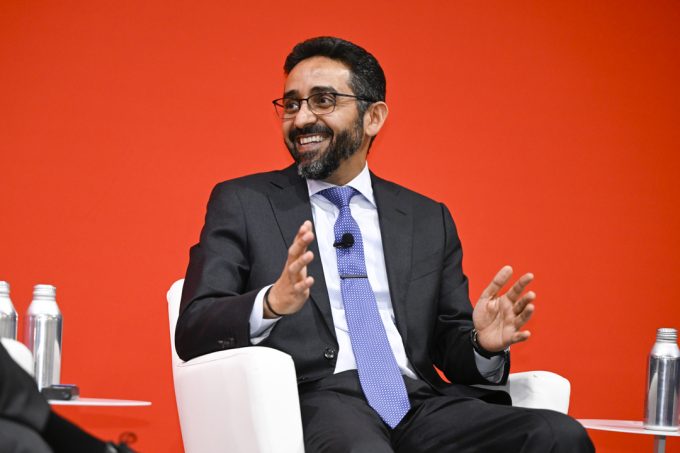
While the US attack on Iran appears to have ended any hopes of a return to Red Sea transits, delegates at this year’s S&P TPM event in Long Beach were told that the reaction of the Houthi rebels to the conflict was far from certain.
Hisham Al-Omeisy (above), senior Yemen advisor – head of PfR Steering Group, explained that the Houthi leadership was “sitting on the fence”, with different factions in the group arguing for different responses to the conflict.
“They’ve had mass protests over the past couple of days for them to start lobbing missiles in the Red Sea against ships, but also against Tel Aviv and American bases in the region. They haven’t done that yet, but that could still happen, depending on the trajectory of the conflict,” he said.
The problem, according to Mr Al-Omeisy, is that there are two factions in the Houthi leadership: some who think they should respond to the US; and others who are waiting to see how it plays out, partly out of fear of US retaliation but also with the idea that the possible demise of Iran will leave them as “the leader of the axis of resistance”.
Part of this calculation is based on the preconception that the Houthis cannot survive without Iran.
“Yes, they can: you have to remember that, when the war started 10 years ago, they couldn’t. They relied heavily on Iranian supply lines. But over the past 10 years, they’ve built their own factories; they’ve developed their own technology; they’ve outsourced a lot of the material.
“They’re getting a lot of stuff from the black market, not just from Iran. They’re getting stuff from China. They’re getting stuff from Russia. They’re getting stuff from a vast array of sources. So yes, they can dim the capacity, but they definitely can survive.”
Additionally, much of the population in their territory supports further military action, according to Mr al-Omeisy, who said there had been widespread protests across Houthi-controlled territory demanding the group launch attacks against the US and Israel.
However, he predicted a longer-term outcome, adding: “Their tax on the Red Sea was to get legitimacy, it was also for economic leverage, because a lot of shipping companies have been paying levies to be allowed passage.
“So they’ve been making a lot of money from them,” he added.

For uninterrupted access, sign in or sign up to The Daily News, Premium or The Loadstar Enterprise Plan.
Comment on this article