'Collateral damage?' US Customs crackdown alarms importers and brokers
The going is about to get tougher for those importing goods into the US and ...


WMT: VERTICAL INTEGRATION IN LOGISTICSJBHT: HERE WE GOPG: STEADYEXPD: NEW RECORD BA: DELIVERIESMAERSK: BEAR CAMP MUSINGSCHRW: HIGHER HIGHS ON THE RADARWTC: 'ONE RECORD'HLAG: EARNINGS GUIDANCE UPGRADE AAPL: GLOBAL SMARTPHONE SHIPMENTS VW: THE IMPACT VW: MASSIVE JOB CUTS CONFIRMEDEXPD: BULLISH
WMT: VERTICAL INTEGRATION IN LOGISTICSJBHT: HERE WE GOPG: STEADYEXPD: NEW RECORD BA: DELIVERIESMAERSK: BEAR CAMP MUSINGSCHRW: HIGHER HIGHS ON THE RADARWTC: 'ONE RECORD'HLAG: EARNINGS GUIDANCE UPGRADE AAPL: GLOBAL SMARTPHONE SHIPMENTS VW: THE IMPACT VW: MASSIVE JOB CUTS CONFIRMEDEXPD: BULLISH
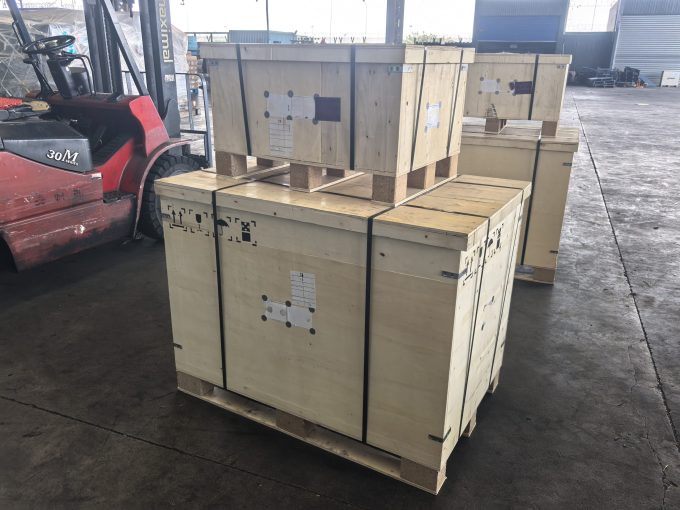
China’s fast-changing rules on dual-use exports are piling pressure on freight forwarders and carriers moving specialised automotive and rare earth materials.
Chapman Freeborn and forwarder Sino Shipping both reporting rising demand and heightened compliance challenges.
Between June and July, a surge in overseas demand for magnetic materials saw China’s Ministry of Commerce accelerate export licence approvals, triggering a spike in shipments – according to local customs data, 5,577 tonnes of permanent magnets were exported in July, up 75% on June and the highest monthly total since April.
However, on 22 August, Beijing abruptly tightened controls again.
“The real challenge for freight forwarders is keeping pace with these rolling revisions and adapting processes quickly,” Joyce Di, cargo manager China at Chapman Freeborn, told The Loadstar.
Chapman Freeborn has moved significant shipments of dual-use automotive materials to Europe this year, navigating shifting rules on documentation and port procedures.
“In late May, its China team commenced research through various official Chinese platforms to ascertain the latest compliance standards, required documentation and procedures for exporting such goods,” explained Ms Di . The company worked with local partners and customs authorities to ensure every shipment was licensed and cleared.
The tightening reflects Beijing’s long-term plan to formalise outbound trade in strategic commodities. Rare earths, permanent magnets and other materials critical to electric vehicle (EV) production and clean energy supply chains are now firmly in policymakers’ sights.
“Following the enhancement of infrastructure, such as regulatory traceability systems, and the growth of controlled product categories, China’s export control environment is set to become more formalised and stringent”, Ms Di warned, adding that this would have implications for both special and general cargo.
The geopolitical backdrop is equally important. China accounts for about 70% of global rare earth production and an even greater share of processing capacity. Analysts have long warned that export curbs could be used as leverage in trade disputes. That risk is now materialising. For OEMs and Tier 1 suppliers, this means higher compliance costs, potential delays, and exposure to sudden regulatory shocks.
Demand for logistics support is climbing in parallel.
“We have recently experienced an increase in requests for the transportation of rare earth materials, particularly during June and July,” said Ms Di. These magnetic materials are critical to EV motors, wind turbines and consumer electronics, accounting for about 60% of rare earth applications. Their role in extending EV battery life and improving performance is expected to push demand further, even as regulations tighten.
Forwarders are under pressure to deliver compliance certainty. Sino Shipping has ramped up its checks. “We’ve strengthened our export workflows with rigorous compliance checks, using HS (harmonised system) codes and descriptions to flag potential dual-use goods,” said Ethan Wu, Sino spokesperson.
“We guide clients to self-verify via the ministry website. For air cargo, we proceed post-client confirmation, but manage seizures if they occur. Client demand for regulatory guidance has noticeably increased,” he added.
Risk is managed by putting the onus back on shippers, he added: “We verify licences through multiple checks before shipping and hold clients accountable for any falsified documents.” Customs inspections can include lab testing, with licences required even after clearance is initially granted.
“If goods appear suspicious, we query clients; customs may send items for lab testing, potentially requiring licences or resulting in returns,” said Mr Wu.
Both companies argue that manufacturers must step up their compliance literacy. Mr Wu advised OEMs and suppliers to “thoroughly understand national regulations, confirm their goods’ materials, uses, and functions, and declare accurately”.
“Collaborative risk monitoring, early warnings, and proactive policy tracking are key.”
Chapman Freeborn has trialled exports through multiple ports to expand options and cut costs, while Sino Shipping has shifted to customised solutions and more transparent risk-sharing with clients.
In unfamiliar markets, Sino offers tailored advice, risk warnings, and knowledge transfer to reduce trade risks. “Our advisory role focuses on client empowerment, while we avoid direct responsibility for confirming dual-use status,” said Mr Wu.
It appears that the balancing act will only intensify. Beijing’s push to regulate outbound flows more tightly shows no sign of easing, and forwarders now find themselves at the sharp end of compliance enforcement, acting as watchdogs, advisors and risk managers for clients desperate to keep cargo moving.
For cargo stakeholders, the challenge seems clear: stay compliant, move fast, and help clients adapt, or risk being caught out by Beijing’s next regulatory twist.
Listen to this clip of James Coombs, CEO of Raft.ai, on how AI can help with increased supply chain complexity
For uninterrupted access, sign in or sign up to The Daily News, Premium or The Loadstar Enterprise Plan.

Comment on this article