World Cup dream ruled offside for Mexicana, amid US aviation dispute
Mexicana de Aviación has had to drop its plans to run charters to US cities ...

PLD: OUCHVW: NEW PARTNERS SOUGHTEXPD: AIRCRAFT ON GROUND SERVICESTSLA: JUST AS VW STRUGGLESBA: NEW BIG ORDERBA: THE ORDERBOOK GROWSPLD: PUSHING FOR A DEAL PLD: TIME TO DEALEXPD: ANOTHER ALL-TIME HIGH CHRW: NEW RECORD DSV: AHEAD OF EARNINGS RELEASE JBHT: NEW HIGHS EVERYWHEREPLD: STRONG DELIVERYJBHT: FAIR-VALUE CONSENSUS ESTIMATE AT ALL-TIME HIGH
PLD: OUCHVW: NEW PARTNERS SOUGHTEXPD: AIRCRAFT ON GROUND SERVICESTSLA: JUST AS VW STRUGGLESBA: NEW BIG ORDERBA: THE ORDERBOOK GROWSPLD: PUSHING FOR A DEAL PLD: TIME TO DEALEXPD: ANOTHER ALL-TIME HIGH CHRW: NEW RECORD DSV: AHEAD OF EARNINGS RELEASE JBHT: NEW HIGHS EVERYWHEREPLD: STRONG DELIVERYJBHT: FAIR-VALUE CONSENSUS ESTIMATE AT ALL-TIME HIGH
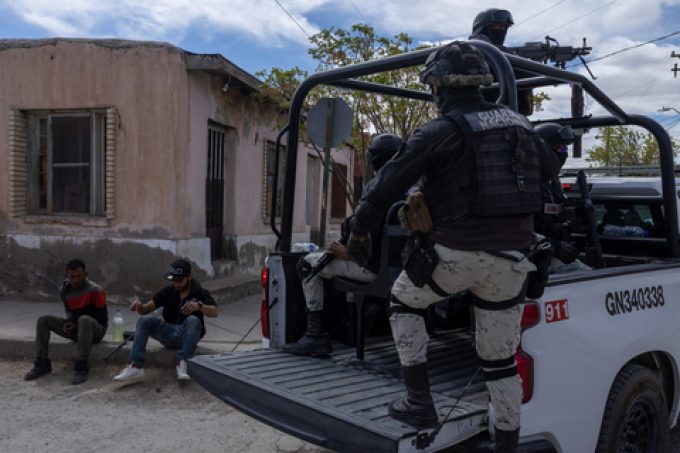
An uneasy calm hangs over Mexico after President Claudia Sheinbaum announced on Monday that all roads had been cleared of blockades erected by criminals following the death of Nemesio Oseguera Cervantes (El Mencho), leader of the Jalisco New Generation Cartel (CJNG).
However, security experts warn of more disruption from the drug cartel that will threaten transport providers and supply chains.
The demise of Mexico’s most wanted drug boss in a large-scale military operation triggered a spate of retaliation by the CJNG, aiming to put pressure on the authorities by disrupting traffic and sowing chaos. The violence led to the deaths of a prison guard, a member of the state prosecutor’s office, and 30 members of the gang.
It also caused cancellations of flights and public transport in Jalisco state, blocked roads, including key logistics arteries, torched trucks, suspended trucking activity and a security alert at the port of Manzanillo, Mexico’s largest container gateway.
By Sunday afternoon, over 250 road blockades across 20 states had been reported. They cut off key freight corridors, such as the route connecting Manzanillo with the manufacturing hub of Guadalajara. Most affected were routes from the capital to the west and the Pacific ports, as well as to the northern border, according to security firm Skyangel.
Airport operations were also impacted, notably Puerto Vallarta, which saw flight cancellations by Volaris, Viva and Air Canada.
On Sunday, the port of Manzanillo announced the suspension of operations “until further notice”, but Mexico’s Secretariat of the Navy later denied any closure, which left cargo owners, forwarders and brokers confused. Two of the port’s container facilities subsequently announced that they would be closed until 8am on Monday.
Logistics providers as well as industry organisations like Mexico’s Business Coordinating Council reported widespread disruption of transport activities, goods movement, and the operation of businesses.
CANACAR, Mexico’s national freight trucking chamber, urged its members to prioritise safety. Many truckers heeded the warning and suspended operations on Sunday. For their part, most shippers in Jalisco also suspended operations, expecting to resume exporting by Tuesday.
The authorities deployed 9,500 soldiers to counter the threat of further violence from the CJNG and, on Monday, President Sheinbaum reported all blockages on federal highways had been cleared.
Trucking operations resumed, but at a markedly slower pace. According to some reports, it was a gradual restart, marked by regional pauses, detours, and risk evaluation as truckers activated security protocols and chose alternative routings, often at short notice.
One logistics provider advised clients to plan for delays at least through the first half of the week.
Observers cautioned that disruptions were likely for considerably longer than that. Supply chain risk intelligence firm Overhaul warned of intermittent blockades by criminals until Thursday, especially around industrial corridors in the nation’s Bajio, western, and Gulf regions.
This will likely be followed by more disruptions as rival groups in the CJNG fight for control of the organisation and other gangs try to encroach on its territory, which could involve disputes around ports, and toll highways.
This augurs continuing risk of elevated cargo crime activity affecting gateways and key traffic arteries, including highways to the US border. On top of the risk to supply chains and logistics providers, this also spells delays and increased logistics costs owing to delays, alternate routings and other security measures.
For uninterrupted access, sign in or sign up to The Daily News, Premium or The Loadstar Enterprise Plan.
Comment on this article