Now Antwerp-Bruges reports reduced Q1 container throughput
North Europe’s largest container hub ports are losing market share, the first-quarter throughput figures released ...


FDX: TRADING UPDATE ON THE WAY TSLA: ON THE MENDGM: TECH STARTUP LISTINGCHRW: BOLT-ON DEAL TIMEDHL: GO GREENDSV: BULLISH DSV: NOTE TO INVESTORSKO: TAX FIGHTDSV: STILL 'OVERWEIGHT'WTC: HAMMEREDWTC: MOUNTING TROUBLEWTC: ANOTHER DIFFICULT WEEK CHRW: NEW PRODUCT LAUNCH
FDX: TRADING UPDATE ON THE WAY TSLA: ON THE MENDGM: TECH STARTUP LISTINGCHRW: BOLT-ON DEAL TIMEDHL: GO GREENDSV: BULLISH DSV: NOTE TO INVESTORSKO: TAX FIGHTDSV: STILL 'OVERWEIGHT'WTC: HAMMEREDWTC: MOUNTING TROUBLEWTC: ANOTHER DIFFICULT WEEK CHRW: NEW PRODUCT LAUNCH
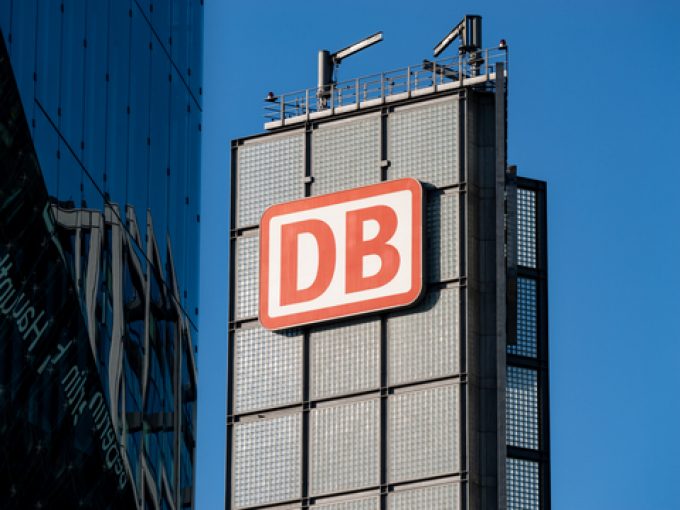
Freight train drivers working for Germany’s state-owned rail firm Deutsche Bahn are to begin a six-day strike this evening – making it one of the longest industrial actions ever seen on the country’s rail network.
The call for strike action from the locomotive drivers’ union GDL followed its rejection of DB’s third offer to the union, which was lambasted as “bogus” and led the union to boycott the next round of negotiations, which were scheduled for 25 January.
Instead, the strike will now run to 29 January.
According to German news outlet DVZ, major industrial associations representing interests such as the automotive and chemical sectors were worried about the effect the strike would have on their supply chains.
However, as previously reported by The Loadstar, German rail freight association Die Gueterbahnen claimed that, with some 60% of German rail freight carried by private operators, rail freight shippers ought to be able to find alternatives during the six-day strike.
However, the outlook facing private German rail freight operators could get considerably worse if the government in Berlin follows through on its plans to cut the federal transport budget over the course of this year – Die Gueterbahnen said that some 78% of the cuts to the transport budget would be in the form of reduced subsidies to private rail freight companies.
In addition, there are mounting rumours that DB, which owns and manages the track network, is planning to double user fees over the course of this year.
“We don’t want permanent subsidies, but a good infrastructure and fair competitive conditions,” Die Gueterbahnen MD Neele Wesseln said.
“The train path price subsidy was introduced in 2018 as an interim solution, until the government and DB can provide a modernised and systematically expanded infrastructure and have eliminated competitive disadvantages compared to truck traffic,” he added.

For uninterrupted access, sign in or sign up to The Daily News, Premium or The Loadstar Enterprise Plan.

Comment on this article