Gulftainer unveils major logistics ambitions for Khor Fakkan expansion
The Emirati owner of the port of Khor Fakkan has unveiled a massive capacity expansion ...

VW: NEW PARTNERS SOUGHTEXPD: AIRCRAFT ON GROUND SERVICESTSLA: JUST AS VW STRUGGLESBA: NEW BIG ORDERBA: THE ORDERBOOK GROWSPLD: PUSHING FOR A DEAL PLD: TIME TO DEALEXPD: ANOTHER ALL-TIME HIGH CHRW: NEW RECORD DSV: AHEAD OF EARNINGS RELEASE JBHT: NEW HIGHS EVERYWHEREPLD: STRONG DELIVERYJBHT: FAIR-VALUE CONSENSUS ESTIMATE AT ALL-TIME HIGH KNIN: AI TECH ADVANTAGEPLD: TRADING UPDATE ON THE WAY
VW: NEW PARTNERS SOUGHTEXPD: AIRCRAFT ON GROUND SERVICESTSLA: JUST AS VW STRUGGLESBA: NEW BIG ORDERBA: THE ORDERBOOK GROWSPLD: PUSHING FOR A DEAL PLD: TIME TO DEALEXPD: ANOTHER ALL-TIME HIGH CHRW: NEW RECORD DSV: AHEAD OF EARNINGS RELEASE JBHT: NEW HIGHS EVERYWHEREPLD: STRONG DELIVERYJBHT: FAIR-VALUE CONSENSUS ESTIMATE AT ALL-TIME HIGH KNIN: AI TECH ADVANTAGEPLD: TRADING UPDATE ON THE WAY
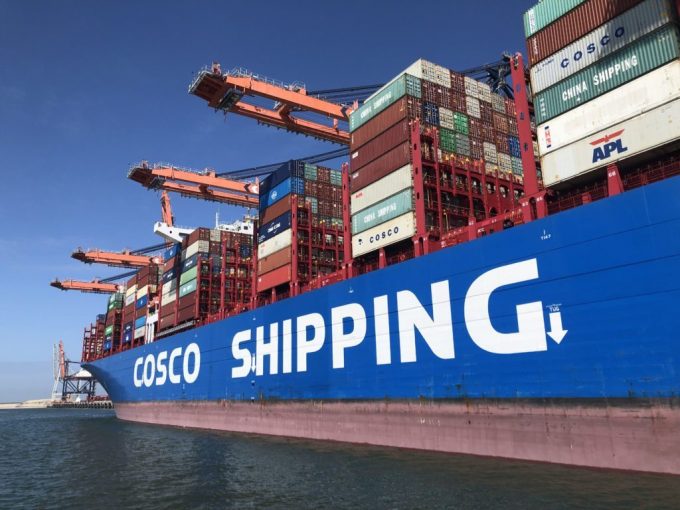
Cosco Shipping is the latest major carrier to resume bookings to the Middle East as industry stakeholders reshape supply chains.
The Chinese carrier has announced the resumption of ‘dry cargo’ bookings from the Far East and India, after putting a pause on service at the beginning of the month following the outbreak of military conflict around Iran.
Cosco said it would accept dry container bookings from the Far East for destinations in the UAE, Saudi Arabia, Bahrain, Qatar, Kuwait and Iraq.
“With immediate effect, we have resumed new bookings for general cargo containers,” the carrier told customers yesterday.
But the advisory included the caveat that “new booking arrangements and the actual carriage would be subject to change due to the volatile situation in the Middle East region”.
Sources at Cosco India also confirmed the reopening of Middle East bookings for dry freight.
“This move reflects improving operational confidence and a gradual stabilisation in regional logistics flows, despite ongoing geopolitical uncertainties,” one Cosco executive said in a LinkedIn post.
That move is another sign that major carriers are adapting to the new reality of multimodal-based operations to navigate the operationally fluid situation.
Authorities and industry stakeholders in the Persian Gulf are increasingly shaping new integrated trade connectivity strategies as port links in the region remain volatile.
The latest move is a strategic arrangement between Gultainer, which operates the UAE’s Khorfakkan terminal, and Saudi Arabia’s port authority Mawani, to establish a direct sea-land trade corridor. It is broadly designed to link Sharjah with Dammam to support more seamless cross-border freight flow.
The Gulftainer-Mawani partnership framework is expected to involve three stakeholders on the supply chain side: Khor Fakkan Commercial Terminal, Sharjah Dry Port, and Dammam.
Mawani described the trade bridge as a step that it believed would “enhance logistics integration and supports the smooth flow of goods between the two countries with high operational efficiency.”
The move followed customs authorities of Dubai and Oman having launched a ‘green corridor’ between the two countries.
Historically, the bulk of trade in and out of the Middle East had been through Jebel Ali, which has now become a chokepoint as a result of the looming security threat.
While cargo bookings are slowing reopening for the region, the routing and transit time reliability continue to be problematic for shippers and cargo owners.
Congestion across alternative hubs like Khor Fakkan and Fujairah is seeing no real letup as more vessels anchor to await import discharging.
Industry sources are reporting long berthing delays at the ports, stretching beyond a week in most cases.
You can contact the writer at [email protected]
For uninterrupted access, sign in or sign up to The Daily News, Premium or The Loadstar Enterprise Plan.
Comment on this article