CMA CGM expands 6,000-teu box fleet with new orders and charters
Containership newbuilding orders this week have been dominated by 6,000 teu-plus ships, but interest in ...


WMT: VERTICAL INTEGRATION IN LOGISTICSJBHT: HERE WE GOPG: STEADYEXPD: NEW RECORD BA: DELIVERIESMAERSK: BEAR CAMP MUSINGSCHRW: HIGHER HIGHS ON THE RADARWTC: 'ONE RECORD'HLAG: EARNINGS GUIDANCE UPGRADE AAPL: GLOBAL SMARTPHONE SHIPMENTS VW: THE IMPACT VW: MASSIVE JOB CUTS CONFIRMEDEXPD: BULLISH
WMT: VERTICAL INTEGRATION IN LOGISTICSJBHT: HERE WE GOPG: STEADYEXPD: NEW RECORD BA: DELIVERIESMAERSK: BEAR CAMP MUSINGSCHRW: HIGHER HIGHS ON THE RADARWTC: 'ONE RECORD'HLAG: EARNINGS GUIDANCE UPGRADE AAPL: GLOBAL SMARTPHONE SHIPMENTS VW: THE IMPACT VW: MASSIVE JOB CUTS CONFIRMEDEXPD: BULLISH
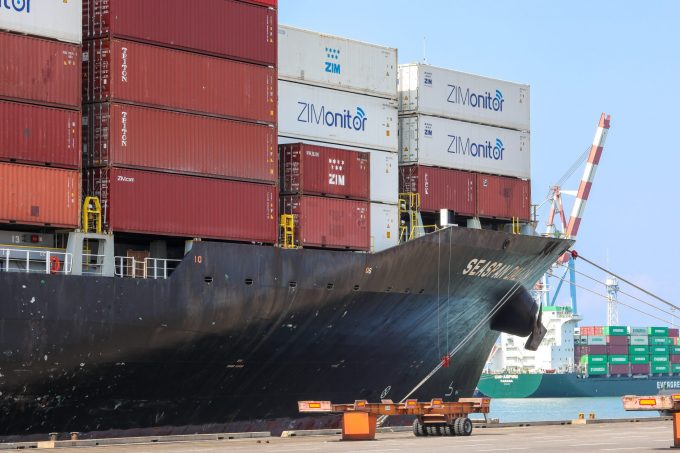
China broadened its retaliatory port fees for US-linked carriers and vessels on Friday to include calls by shipping lines in which US investors hold more than a 25% equity interest, like New York-listed Zim Line.
They could face a total fee of $2.3bn in the first year, compared with the $1.2bn of US port fees levied on Chinese liner operators. However, Chinese-built ships are exempt from the Chinese fees.
The fees will be charged at CNY400 ($56) per net tonne from today, and will rise progressively by CNY140 ($20) annually in the next three years. The fees will apply on a per voyage basis and are capped at five voyages in a year.
Linerlytica analyst Tan Hua Joo told The Loadstar that, if not for the exemption on Chinese-built ships, affected shipping lines could have faced $3.9bn in fees in the first year.
These fees mirror the USTR 301 port service fees the US is applying on Chinese operators and Chinese-built ships, also effective today.
China’s Special Port Fee now includes ships chartered from non-operating owners such as Seaspan, SFL, Navios, Costamare, Danaos, and Global Ship Lease.
“The move may trigger significant disruptions as carriers try to shift some of their chartered ships out of Chinese ports, or rationalise services, to minimise the financial impact, as average voyage costs will rise by more than $300 per teu for the affected ships,” Linerlytica said.
Meanwhile, the US has threatened to hit China with an additional 100% import tariff from 1 November, in retaliation for new controls that China imposed on exports of rare earth minerals.
Linerlytica opined that the heightened trade tension could temporarily boost freight rates for the rest of October, as shippers try to front-load before the higher tariffs take effect, but it would negatively impact volumes for the rest of the year.
For uninterrupted access, sign in or sign up to The Daily News, Premium or The Loadstar Enterprise Plan.
Comment on this article