APMT buys minority stake in DP World's Jeddah facility
APM Terminals today marked its entrance to the Saudi Arabia port market, agreeing to acquire ...
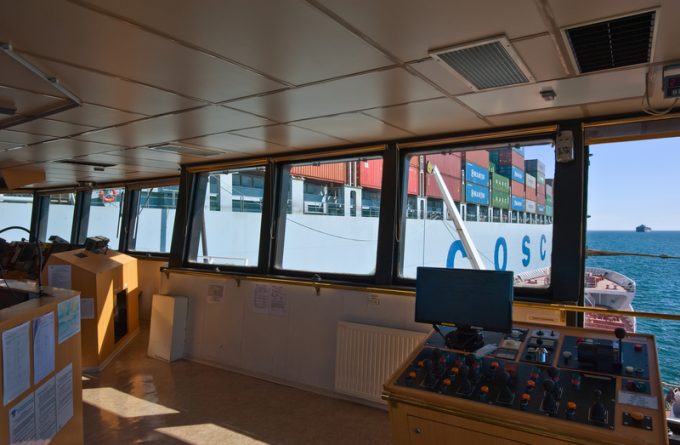
China’s state-owned COSCO Shipping Holdings is unsinkable – yet its latest annual results, on 31 March, confirmed that 2017 could be, at best, a year of transition.
Continuing to sail through choppy waters, this container shipping powerhouse finds itself in the middle of a corporate restructuring that began at the end of 2015 and has yet to bear fruit.
In its annual results, it reminded us how the merger between the two biggest shipping groups in China was undertaken. On 4 May last year, ...
For uninterrupted access, sign in, subscribe or upgrade to The Daily News. For as little as £12 / month (£100/year), we can get you into the room where the big decisions are made.
For uninterrupted access, sign in or sign up to The Daily News, Premium or The Loadstar Enterprise Plan.
Comment on this article
Oldersachem01
April 24, 2017 at 11:02 pmCOSCO is a party dominated organism, much more so than the China Shipping Container Line (CSCL) that they devoured below cost at the party’s instruction. Profitability is not a primary priority for the company in any of its divisions, which means that customer service is typically a middle management concern. Furthermore, since service itself is secondary to its existence, the Company’s management infrastructure is reliant on centralized reporting and discipline: there is little corporate culture apart from this. That means that COSCO can only be successful by employing its parastatal identity with shippers and partners and bottom-feeding in re rates in order to secure volumes commensurate with their size. Only the cooperation it holds with other carriers in consortia will keep COSCO sailing on a relatively even keel. As an investment interest they would be a straight bet on Beijing interests rather than a transportation sector outlay. Reliance on financial statements and annual reports in this case should be done with exceeding caution: auditing in this case is more than usually difficult. I strongly suspect that debt valuation is opaque. COSCO continues to be an extremely bureaucratic enterprise with poor computerization integration globally. Beijing can do better than this, even in the current lousy market, but not without serious privatization reforms emanating from the Central Committee.
Ale Pasetti
April 26, 2017 at 3:06 pmGreat feedback, Oldersachem01. Thanks much.
I totally agreed about this point: “reliance on financial statements and annual reports in this case should be done with exceeding caution”; and spared a thought for its auditors while going through the financials…