Fifteen years of Cargolux results reveal air cargo’s uneven new era
Here at The Loadstar, we’ve been watching Cargolux for well over a decade. It has had its ups and downs – from financial stress ...


MAERSK: ANOTHER UPGRADEFWRD: HEALTHY CORRECTION R: RYDER CEO SAYS R: AMAZON ANNOUNCEMENTS RPLD: EV INFRASTRUCTURE PUSHDHL: RAMPING UP 'NEW ENERGY LOGISTICS' GXO: NEW WINAMZN: LTL SERVICE UPDATEGM: ENERGY PROVIDER MODELEXPD: LAYOFFS CONFIRMED DHL: DOWNSIDE RISKDHL: OVERVIEWDHL: DATE CENTRE PUSH IN APAC
MAERSK: ANOTHER UPGRADEFWRD: HEALTHY CORRECTION R: RYDER CEO SAYS R: AMAZON ANNOUNCEMENTS RPLD: EV INFRASTRUCTURE PUSHDHL: RAMPING UP 'NEW ENERGY LOGISTICS' GXO: NEW WINAMZN: LTL SERVICE UPDATEGM: ENERGY PROVIDER MODELEXPD: LAYOFFS CONFIRMED DHL: DOWNSIDE RISKDHL: OVERVIEWDHL: DATE CENTRE PUSH IN APAC
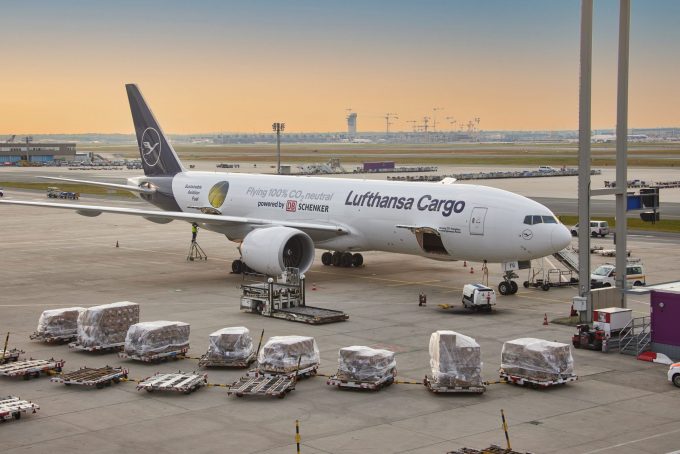
Lufthansa Cargo expects to operate “nearly all” of its scheduled freighter flights despite a two-day strike by cockpit crews across the Lufthansa Group.
The pilots’ union Vereinigung Cockpit (VC) called the walk-out late on 10 March, with pilots at Lufthansa, Lufthansa Cargo and Lufthansa CityLine set to strike from 00:01 on 12 March until 23:59 on 13 March. The industrial action affects departures from Germany, although flights to Middle Eastern destinations have been excluded from the strike due to the sensitive geopolitical situation in the region.
According to Lufthansa Cargo, only a small number of freighter rotations are currently expected to be cancelled, including services linking Frankfurt with Beijing, Curitiba/Viracopos, Istanbul, Malta and Dublin.
The airline added that more than half of Lufthansa passenger flights from Frankfurt and Munich are still expected to operate. Capacity from partner airlines – including Austrian, Brussels, Discover, ITA Airways, Swiss and SunExpress – will help maintain available bellyhold space, while joint-venture partners Cathay Pacific and United Airlines are operating as scheduled.
The strike comes at a time when global air cargo networks are already under pressure from escalating tensions in the Middle East. Airspace closures and security concerns across parts of the Gulf have forced airlines to suspend or reroute flights, reducing cargo capacity and adding delays across major Asia-Europe corridors.
Industry data suggests that around 21% of global air cargo flows are linked to the Middle East, highlighting the region’s importance as a transit hub for international supply chains.
Despite these challenges, Lufthansa Cargo said it was working to maintain stable services and minimise disruption to customers and critical supply chains.

For uninterrupted access, sign in or sign up to The Daily News, Premium or The Loadstar Enterprise Plan.

Comment on this article