A calmer transatlantic as box carriers balance supply and demand
Following a turbulent 2025 and early 2026, marked by shrinking volumes and rates, the transatlantic ...

WTC: NO LUCKCHRW: 'NUCLEAR VERDICT'DSV: DEEP CUTKNIN: UPGRADEDKNIN: AI BENEFITSKNIN: NOT WORTH ITPLD: DEAL TIMEKNIN: CONF CALL CLOSING KNIN: PRICING POWER KNIN: MARKET SHARE GAINS IN ROAD KNIN: AI-RELATED COST INFLATION OUTLOOKKNIN: APEX LOGISTICS IPO UPDATEKNIN: QUESTION TIMEKNIN: 'COST REDUCTION PROGRAMME IS ON TRACK'KNIN: CFO REMARKSKNIN: MONETARY IMPACT FROM AI KNIN: AI UPSIDEKNIN: STRONG ROAD UNIT DELIVERY KNIN: AIR LOGISTICS SHINES
WTC: NO LUCKCHRW: 'NUCLEAR VERDICT'DSV: DEEP CUTKNIN: UPGRADEDKNIN: AI BENEFITSKNIN: NOT WORTH ITPLD: DEAL TIMEKNIN: CONF CALL CLOSING KNIN: PRICING POWER KNIN: MARKET SHARE GAINS IN ROAD KNIN: AI-RELATED COST INFLATION OUTLOOKKNIN: APEX LOGISTICS IPO UPDATEKNIN: QUESTION TIMEKNIN: 'COST REDUCTION PROGRAMME IS ON TRACK'KNIN: CFO REMARKSKNIN: MONETARY IMPACT FROM AI KNIN: AI UPSIDEKNIN: STRONG ROAD UNIT DELIVERY KNIN: AIR LOGISTICS SHINES
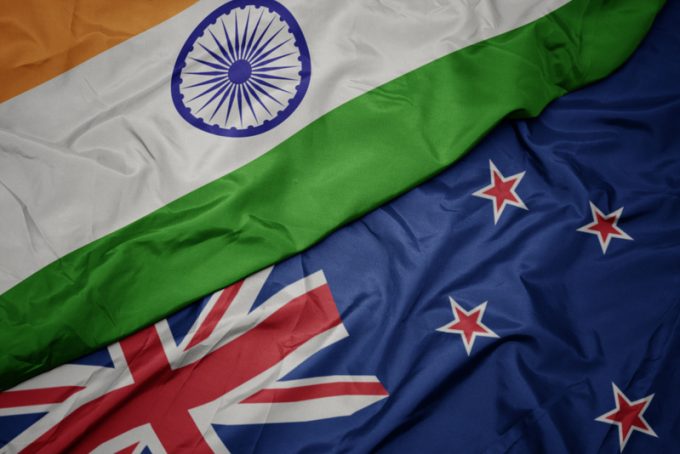
New Zealand exporters could be set for a boost on their key verticals as an India-New Zealand trade deal looks imminent.
Last week, India’s commerce and industry mnister Piyush Goyal visited New Zealand to talk trade with his counterpart, Todd McClay, to “strengthen the growing New Zealand-India trade and economic partnership,” according to the NZ minister.
And this week, Mr McClay will pay a reciprocal visit to India.
Negotiations began in March on a comprehensive free-trade agreement, and this is the fourth round of negotiations, said to be focused on key areas like trade in goods and services and ‘rules of origin’ regulation.
One major New Zealand-based exporter told The Loadstar: “The India market is an interesting one for NZ. There are some gnarly tariffs in place that don’t help our export drive.”
Indeed, according to business development agency New-Zealand Trade and Enterprise, the dairy industry has a 30%-60% tariff, wine is at 150%, sheep meat at 30% and wood products at 5%-15%.
The exporter explained that primary shipments out included timber and logs, wool – a lot if which is used by IKEA to turn into rugs – wood pulp for food grade packaging, and fresh apples – “a growing market”.
“With India being one of the top producers of dairy, our key export commodity does not move there,” he added.
In the past, negotiations between the two countries have stalled due to India remaining stubborn on dairy and agricultural tariffs, among other reasons. But the source highlighted that New Zealand now had some “lofty goals” on increasing the value of exports and sees India as a key market.
“There is genuine intent to increase export volumes and a lot of unity to make this happen.”
According to NZ Foreign Affairs and Trade, two-way trade between India and NZ was NZ$3.14bn (US$1.8bn) in 2024, and NZ currently exports NZ$718m ($406m) worth of goods to India.
India is New Zealand’s 12th-ranked two-way trading partner and its 25th-largest export market.
“The New Zealand-India FTA will create valuable opportunities for exporters [from both countries] to diversify their export destination and expand two-way trade between our two countries,” said NZ Foreign Affairs and Trade.
“India is one of the largest and fastest-growing economies in the world. It represents significant opportunities for trade and is a priority relationship for the New Zealand government,” it added.
But the source warned that with increased exports, reefer equipment and capacity out of NZ could become even more of “a premium”.
“Strong milk production is coming on, and meat processing plants are increasing production; then the apple and kiwifruit season hit from March… meaning carriers look to hold reefer rates to match capacity constraints,” they warned.
For uninterrupted access, sign in or sign up to The Daily News, Premium or The Loadstar Enterprise Plan.
Comment on this article