Booked out until 2028: the AI boom is now air cargo’s growth engine
Chipmakers are booked out until 2028, data-centre investment is surging and AI-related cargo is increasingly ...

JBHT: STRONG TRADING UPDATE JBHT: CEO REMARKS WMT: VERTICAL INTEGRATION IN LOGISTICSJBHT: HERE WE GOPG: STEADYEXPD: NEW RECORD BA: DELIVERIESMAERSK: BEAR CAMP MUSINGSCHRW: HIGHER HIGHS ON THE RADARWTC: 'ONE RECORD'
JBHT: STRONG TRADING UPDATE JBHT: CEO REMARKS WMT: VERTICAL INTEGRATION IN LOGISTICSJBHT: HERE WE GOPG: STEADYEXPD: NEW RECORD BA: DELIVERIESMAERSK: BEAR CAMP MUSINGSCHRW: HIGHER HIGHS ON THE RADARWTC: 'ONE RECORD'
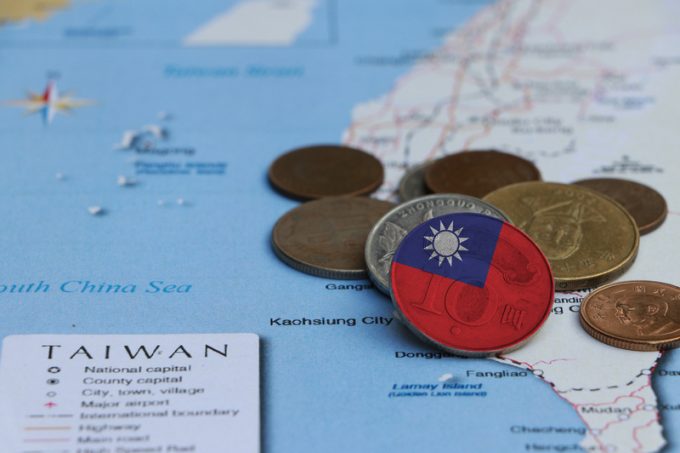
Taiwan’s transport and agriculture ministries are working together to mitigate the impact of US tariffs on the island’s agricultural exports.
Its exports face a 32% tariff, and the Ministry of Agriculture is offering shipping subsidies to offset the impact on the island’s export competitiveness.
Subsidies are offered for six major agricultural products exported to the US: TW$21 ($0.63)/kg for flowers and seedlings; TW$10 ($0.3)/kg for sea bass; TW$5 ($0.15)/kg for sea bream; TW$19 ($0.57)/kg for swordfish and tea; and TW$4 ($0.12)/kg for edamame.
Farmers and other agricultural enterprises can also expect to receive discounted interest rates on loans.
About 40% of Taiwan’s farmed sea bream is exported, mainly to the US. Taiwan Sea Bream Association chairman Kuo Chien-hsien emphasised that due to the low volume of Taiwan’s agricultural products that require reefers, it was difficult to fill an entire ship. So they are usually loaded onto containerships going to ports in China to aggregate goods before sailing to the US.
Taiwan’s Orchid Association secretary-general Tseng Chun-bi noted there had been shipping delays due to blanked transpacific sailings. As Taiwanese orchids are exported to the US in the form of seedlings, the shipping schedule will determine the timing of seedling cultivation.
Blanked transpacific sailings have made it difficult for Taiwanese exporters to secure containers and shipping slots. The two ministries have started an “international shipping stability” platform. The Ministry of Transport and Communications will work with Taiwan’s three main liner operators, Evergreen, Yang Ming and Wan Hai Lines, to ensure sufficient capacity.
Vizion’s TradeView platform shows a 49% drop in global container shipment bookings in the first week of April, compared with the last week of March. It said: “The US-China trade war brought a widespread booking freeze, as shippers paused mid-shipment cycle to reassess costs, timelines, and broader trade strategy.
“The rest of 2025 is likely to bring continued volatility, marked by demand swings, accelerated ordering patterns, and a re-evaluation of sourcing strategies as the global response to these trade actions continues to unfold.”
For uninterrupted access, sign in or sign up to The Daily News, Premium or The Loadstar Enterprise Plan.

Comment on this article