Rate rises loom as port congestion hits four-year high
Congestion in container ports has crept up to a four-year high, with nearly 3.7m teu, ...

EXPD: AIRCRAFT ON GROUND SERVICESTSLA: JUST AS VW STRUGGLESBA: NEW BIG ORDERBA: THE ORDERBOOK GROWSPLD: PUSHING FOR A DEAL PLD: TIME TO DEALEXPD: ANOTHER ALL-TIME HIGH CHRW: NEW RECORD DSV: AHEAD OF EARNINGS RELEASE JBHT: NEW HIGHS EVERYWHEREPLD: STRONG DELIVERYJBHT: FAIR-VALUE CONSENSUS ESTIMATE AT ALL-TIME HIGH KNIN: AI TECH ADVANTAGEPLD: TRADING UPDATE ON THE WAY
EXPD: AIRCRAFT ON GROUND SERVICESTSLA: JUST AS VW STRUGGLESBA: NEW BIG ORDERBA: THE ORDERBOOK GROWSPLD: PUSHING FOR A DEAL PLD: TIME TO DEALEXPD: ANOTHER ALL-TIME HIGH CHRW: NEW RECORD DSV: AHEAD OF EARNINGS RELEASE JBHT: NEW HIGHS EVERYWHEREPLD: STRONG DELIVERYJBHT: FAIR-VALUE CONSENSUS ESTIMATE AT ALL-TIME HIGH KNIN: AI TECH ADVANTAGEPLD: TRADING UPDATE ON THE WAY
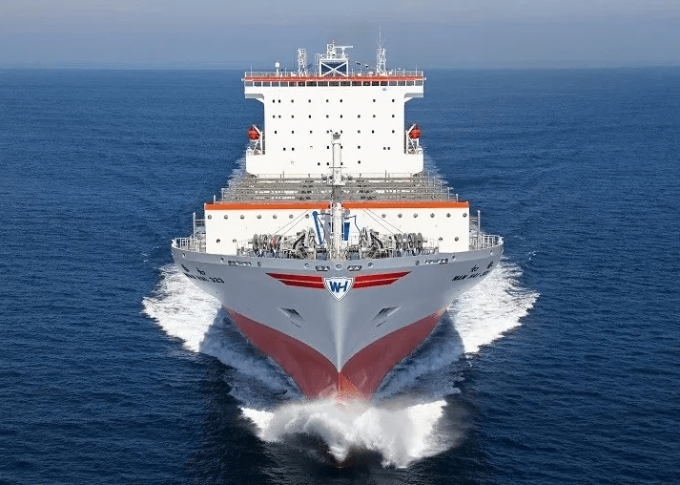
Wan Hai Lines GM Tommy Hsieh said at the Taiwanese shipping line’s annual media conference last Friday he was optimistic about the new year, particularly transpacific contract rates.
While acknowledging that pre-Chinese New Year intra-Asia shipments had peaked, he believed March should see a rebound with the start of Ramadan (Muslim fasting month).
Mr Hsieh said: “February will see a lower volume of shipments as the Chinese New Year begins. However, restocking demand from Europe and the US will begin in March. Muslim countries start Ramadan in February, leading to earlier cargo bookings. Overall shipments are expected to be lower in February, but a better cargo performance is expected after March.”
He said contract negotiations for transpacific shipments were “going well” and shippers appeared agreeable to higher rates, adding: “We don’t expect any US tariff shocks, and with US mid-term elections this year, we’re optimistic about the transpacific market.”
Regarding market concerns about a flood of newbuilding orders that had resulted in a record-high orderbook, and resulting possible overcapacity driving down freight rates, Mr Hsieh thinks the industry generally believes the impact will be minimal.
He stressed that port congestion, and the low likelihood of a resumption of Red Sea transits, would affect the supply and demand of the containership market in 2026.
Meanwhile, Vietnam is experiencing severe congestion, as are Malaysia and Indonesia, with Europe not far behind due to a harsh winter.
The increasing size of ships has caused severe congestion and lower vessel turnover rates. It is estimated that the bottlenecks have held up 2m teu of the world’s fleet, and continuing detours around the Cape of Good Hope absorb an additional 2.8m teu.
Between 2027 and 2030, Wan Hai will take delivery of 30 newbuildings, including six 6,000 teu ships, a dozen at 8,700 teu, a dozen at 16,000 teu, with two 7,000 teu and four 8,700 teu ships to be delivered this year. The carrier will add 381,000 teu to its fleet by 2030.
In this episode of The Loadstar Podcast, host Charlotte Goldstone is joined by Sinan Ozcan, senior executive officer and director at DP World Trade Finance, to unpack how trade finance really works, and why it matters more than ever.
For uninterrupted access, sign in or sign up to The Daily News, Premium or The Loadstar Enterprise Plan.
Comment on this article