LX Pantos US coast-to-coast self-drive trucking route now a round-trip
South Korean 3PL LX Pantos has expanded its autonomous trucking route across the US into ...


VW: THE LAST CUT IS THE DEEPESTJBHT: GEARING UP VW: BUYING TIMER: BIG VOTE OF CONFIDENCEAAPL: BEARISH HEDGEYE AAPL: THE BEAR CASEFDX: LIFE SCIENCES ORG UNVEILEDWTC: UPS AND DOWNSWTC: ASX ANNOUNCEMENT REGARDING DSV PARTNERSHIP VW: D-DAYPLD: KEEP PUSHINGDHL: NEW AIR SERVICEDHL: GUIDANCE UPGRADE REACTION
VW: THE LAST CUT IS THE DEEPESTJBHT: GEARING UP VW: BUYING TIMER: BIG VOTE OF CONFIDENCEAAPL: BEARISH HEDGEYE AAPL: THE BEAR CASEFDX: LIFE SCIENCES ORG UNVEILEDWTC: UPS AND DOWNSWTC: ASX ANNOUNCEMENT REGARDING DSV PARTNERSHIP VW: D-DAYPLD: KEEP PUSHINGDHL: NEW AIR SERVICEDHL: GUIDANCE UPGRADE REACTION
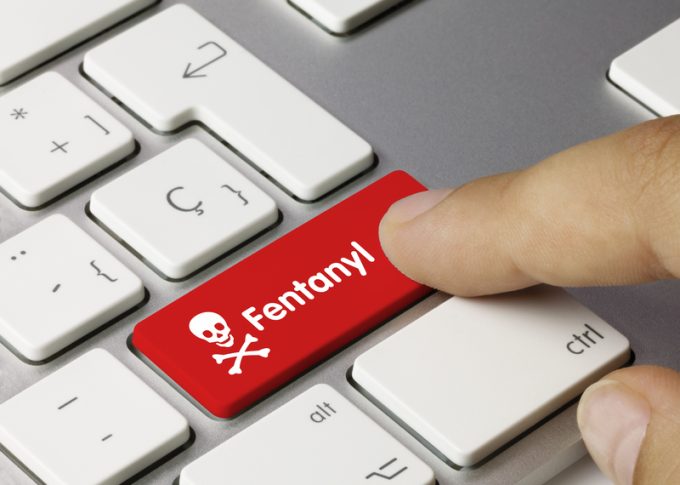
The US administration’s decision yesterday to designate illicit fentanyl, and its core precursor chemicals, as weapons of mass destruction could increase friction for parts of the chemical and pharmaceutical supply chain, even though the move does not impose new trade restrictions.
The executive order reclassifies fentanyl trafficking as a national security and counter-proliferation threat, rather than solely a law-enforcement issue.
While it does not change customs statutes or introduce bans on lawful goods, the designation expands the scope of tools available to federal agencies, with implications for cargo screening and compliance.
Under the order, departments including Homeland Security, Justice, and even the Treasury are instructed to use intelligence, financial tracking and non-proliferation resources to disrupt fentanyl networks. For shippers and forwarders, this may result in increased scrutiny of cargo involving chemical inputs associated with fentanyl production, as well as more frequent requests for end-user and customer documentation.
Air cargo, express shipments, and cross-border traffic from Mexico are expected to be particularly under scrutiny, while there could be potential knock-on effects for chemical supply chains linked to China, where some precursor substances have legitimate industrial uses alongside illicit applications.
Despite the tougher posture, the order does not criminalise pharmaceutical fentanyl or automatically restrict trade in precursor chemicals. Any formal bans or sanctions would require separate regulatory action.
But shippers and forwarders should be aware of additional scrutiny on certain parts of the supply chain.

For uninterrupted access, sign in or sign up to The Daily News, Premium or The Loadstar Enterprise Plan.
Comment on this article