OceanX: DSV vs K+N; Red Sea stalemate; and the broker bombshell
Who’s in front?

TFII: EARNINGS BEATCHRW: PUMMELED DSV: LACK OF TRUST WEIGHSDHL: NEW HIGH DHL: E-COMM DEAL SIGNEDF: NEW PROFIT STREAMCHRW: HEALTHY CORRECTIONDSV: TIME TO BUY INWTC: NO LUCKCHRW: 'NUCLEAR VERDICT'DSV: DEEP CUTKNIN: UPGRADEDKNIN: AI BENEFITS
TFII: EARNINGS BEATCHRW: PUMMELED DSV: LACK OF TRUST WEIGHSDHL: NEW HIGH DHL: E-COMM DEAL SIGNEDF: NEW PROFIT STREAMCHRW: HEALTHY CORRECTIONDSV: TIME TO BUY INWTC: NO LUCKCHRW: 'NUCLEAR VERDICT'DSV: DEEP CUTKNIN: UPGRADEDKNIN: AI BENEFITS
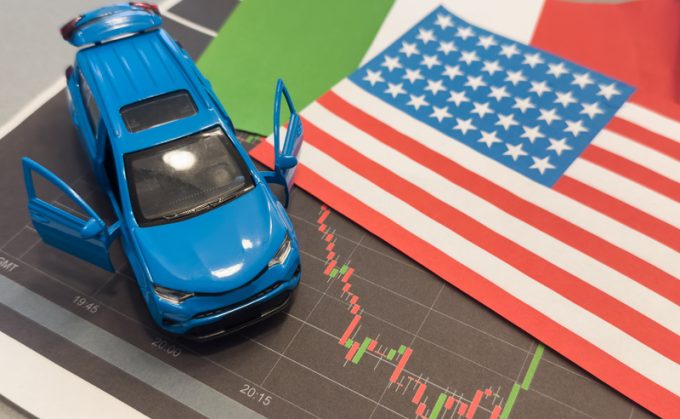
The US has expanded the scope of steel and aluminium goods subject to an additional 50% tariff, which could leave one nation particularly vulnerable.
Effective yesterday at just past midnight, the Department of Commerce added 407 additional product codes that will now be considered as steel or aluminium derivative products and subject to the 50% Section 232 tariff.
These tariffs are in addition to any others applicable, and there is no exemption for items already in transit.
Seko Logistics has urged customers to ensure full supply chain visibility for aluminium products and accurately declare the country of smelt and/or cast, and provide supporting documentation to US Customs if requested.
“Using HTS classification databases and maintaining up-to-date documentation is essential in today’s evolving trade landscape,” it said.
“Importers exploring strategies to mitigate tariffs should coordinate closely with their customs broker to ensure accurate, compliant documentation.”
Pete Mento, director of global customs at DSV, advised: “Don’t just blindly ask your broker to tell you if your stuff is impacted, it’s a big list. Take a look at the entire notice from CBP and digest the information provided.”
“This isn’t over,” he added, predicting another list will soon be released detailing additional copper products to be tariffed, a move set to be “equally as miserable” for importers.
CEO of Transport Intelligence (Ti) John Manners-Bell dubbed President Trump’s tariff policy as “erratic”, and “more arbitrary than many people expected”.
He warned that Germany, Europe’s largest exporter nation, could be particularly vulnerable to changes in trade patterns.
“Germany is the most extreme example of an economy that relies on external demand to drive growth… Running a trade surplus in merchandise products, it is perhaps not surprising that its trade partners have become resistant to further absorbing its production surpluses,” he said.
“Germany’s trade position is further complicated by the reliance on mechanical engineering products, especially internal combustion engine motor cars and chemicals, something reflected in the wider trade figures of the EU. Both sectors face large-scale restructuring.”
And Ti warned that the shift from industrial sectors would “depress demand” for sea freight services, German motor vehicle production volumes now lower than in 2019, and the country “ill positioned” to adapt to EV production.
“Throughout the euro-area, specifically in the German economy, demand for container shipping, chemical shipping, and vehicle shipping has traditionally been a driver of export cargo from major container ports,” it said.
And while import traffic could be sustained “to a greater degree”, Ti cautioned that the wider demand picture in the EU economy likely would not support a particularly high level of growth.
Listen to our recent News in Brief Podcast for a round up of the latest supply chain news!
For uninterrupted access, sign in or sign up to The Daily News, Premium or The Loadstar Enterprise Plan.
Comment on this article