Alliances vs independent carriers: market share on major box trades
As the new year gets under way, the market share of independent carriers on the ...


WTC: ANOTHER DIFFICULT WEEK CHRW: NEW PRODUCT LAUNCHDSV: LEADING THE DROP RXO: CRATERINGDSV: WHAT TO LIKEDSV: BULLISH BAMZN: 'AI EDGE'HD: HERE IS HOW IT LOOKSAMZN: REG RISKMAERSK: MOST HARMED
WTC: ANOTHER DIFFICULT WEEK CHRW: NEW PRODUCT LAUNCHDSV: LEADING THE DROP RXO: CRATERINGDSV: WHAT TO LIKEDSV: BULLISH BAMZN: 'AI EDGE'HD: HERE IS HOW IT LOOKSAMZN: REG RISKMAERSK: MOST HARMED
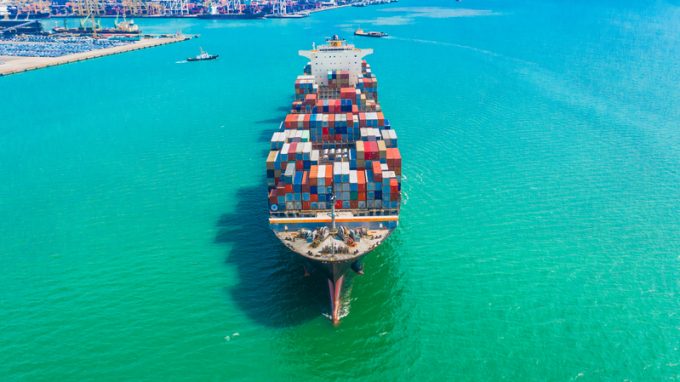
As the economic fallout from the coronavirus pandemic continues, the OECD’s International Transport Forum (ITF) has renewed its criticism of the structure of the liner shipping industry, according to Splash247. The slump in consumer demand has driven a steep decline in volumes and looks set to wreak havoc on carriers’ balance sheets, and led the ITF to refine its warnings about the re-emergence of state subsidies and associated loss of moral hazard, as well as how the crisis has illustrated the way the container shipping alliances can have an effect on freight prices: “Reduced demand has so far not translated into lower prices for customers of container shipping services, since the system of alliances and consortia in container shipping can control prices to a certain degree. Avoiding a collapse of freight rates helps container shipping to survive, yet it also deprives its customers of cost reductions that would normally occur in times of declining demand.”
For uninterrupted access, sign in or sign up to The Daily News, Premium or The Loadstar Enterprise Plan.
Comment on this article