Exporters demand compensation after floods disrupt Chittagong port
Bangladesh’s exporters are seeking compensation after nearly a week of heavy rain severely disrupted import ...

VW: NEW PARTNERS SOUGHTEXPD: AIRCRAFT ON GROUND SERVICESTSLA: JUST AS VW STRUGGLESBA: NEW BIG ORDERBA: THE ORDERBOOK GROWSPLD: PUSHING FOR A DEAL PLD: TIME TO DEALEXPD: ANOTHER ALL-TIME HIGH CHRW: NEW RECORD DSV: AHEAD OF EARNINGS RELEASE JBHT: NEW HIGHS EVERYWHEREPLD: STRONG DELIVERYJBHT: FAIR-VALUE CONSENSUS ESTIMATE AT ALL-TIME HIGH KNIN: AI TECH ADVANTAGEPLD: TRADING UPDATE ON THE WAY
VW: NEW PARTNERS SOUGHTEXPD: AIRCRAFT ON GROUND SERVICESTSLA: JUST AS VW STRUGGLESBA: NEW BIG ORDERBA: THE ORDERBOOK GROWSPLD: PUSHING FOR A DEAL PLD: TIME TO DEALEXPD: ANOTHER ALL-TIME HIGH CHRW: NEW RECORD DSV: AHEAD OF EARNINGS RELEASE JBHT: NEW HIGHS EVERYWHEREPLD: STRONG DELIVERYJBHT: FAIR-VALUE CONSENSUS ESTIMATE AT ALL-TIME HIGH KNIN: AI TECH ADVANTAGEPLD: TRADING UPDATE ON THE WAY
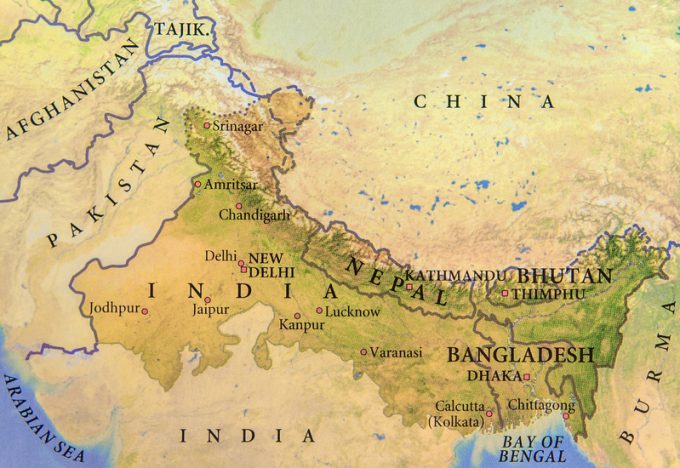
Fresh from being hit by US tariffs of 37%, Bangladesh is now contending with the loss of road-air exports via land borders, after India withdrew access to its transhipment facility.
In an announcement yesterday (8 April), India’s Ministry of Finance confirmed that it had rescinded access to transhipment for “export cargo from Bangladesh destined to third countries through land customs stations (LCSs) to [Indian] ports and airports”.
An explanation was not given in the notice seen by The Loadstar, but a report by Reuters suggests it was down to “delays and higher costs” hitting Indian export opportunities.
One forwarder told The Loadstar: “This is not good news for Bangladesh market because a huge volume used to move via India, which was a cost-effective solution for the customer, while the space was critical by air out of Dhaka.
“Still, the airfreight market is very soft just after the holidays, but if the carriers can’t increase capacity, rates will shoot up exponentially in the coming days.”
The forwarder reiterated that while the situation was presently calm on the rates front, it was a “serious decision taken by the Indian government”, adding that it could prove to be “very harmful” to Bangladesh.
There has been increased strain between the two countries, which share a 2,500 mile border, after former prime minister Sheikh Hasina fled to India following mass protests in August.
Recent months have seen increased efforts by Indian garment makers to muscle in on a market that dominates the Bangladeshi economy, with recent port strikes at Chittagong presenting opportunities for India to offer itself as a more stable supplier.
For uninterrupted access, sign in or sign up to The Daily News, Premium or The Loadstar Enterprise Plan.
Comment on this article