AI cargo props up air cargo market amid warnings of an early peak
Booming AI-related shipments are offsetting weaker ecommerce demand in air cargo, with analysts warning geopolitical ...

WTC: NO LUCKCHRW: 'NUCLEAR VERDICT'DSV: DEEP CUTKNIN: UPGRADEDKNIN: AI BENEFITSKNIN: NOT WORTH ITPLD: DEAL TIMEKNIN: CONF CALL CLOSING KNIN: PRICING POWER KNIN: MARKET SHARE GAINS IN ROAD KNIN: AI-RELATED COST INFLATION OUTLOOKKNIN: APEX LOGISTICS IPO UPDATEKNIN: QUESTION TIMEKNIN: 'COST REDUCTION PROGRAMME IS ON TRACK'KNIN: CFO REMARKSKNIN: MONETARY IMPACT FROM AI KNIN: AI UPSIDEKNIN: STRONG ROAD UNIT DELIVERY KNIN: AIR LOGISTICS SHINES
WTC: NO LUCKCHRW: 'NUCLEAR VERDICT'DSV: DEEP CUTKNIN: UPGRADEDKNIN: AI BENEFITSKNIN: NOT WORTH ITPLD: DEAL TIMEKNIN: CONF CALL CLOSING KNIN: PRICING POWER KNIN: MARKET SHARE GAINS IN ROAD KNIN: AI-RELATED COST INFLATION OUTLOOKKNIN: APEX LOGISTICS IPO UPDATEKNIN: QUESTION TIMEKNIN: 'COST REDUCTION PROGRAMME IS ON TRACK'KNIN: CFO REMARKSKNIN: MONETARY IMPACT FROM AI KNIN: AI UPSIDEKNIN: STRONG ROAD UNIT DELIVERY KNIN: AIR LOGISTICS SHINES
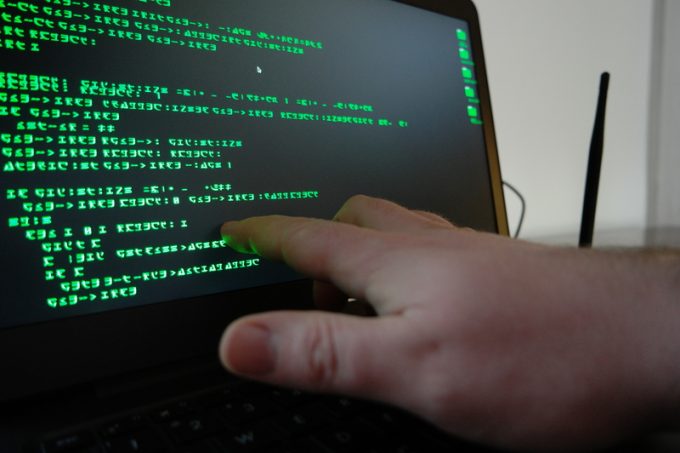
Former Flexport staffers “brazenly” stole trade secrets and data, according to a lawsuit filed yesterday by the forwarder, and then they launched their own company, Freightmate.ai.
Freightmate launched in June last year, having raised $650,000 in a pre-seed round – it also announced a $5m seed round investment at the end of January this year.
Co-founders Yingwei (Jason) Yu left Flexport in May, having joined in June 2021 from Amazon, while Bryan Lacaillade, left Flexport in April, where he was director of product management.
He too was a former Amazon executive and joined Flexport in 2021. As The Loadstar noted at the time: “The co-founders have only just left their previous jobs, suggesting they may have been moonlighting.”
Flexport clearly believes that too – but its allegations go further.
“Freightmate is a product of theft, not ingenuity. Founded by two former Flexport employees, defendant Zhao and defendant Lacaillade, Freightmate was built on information and documents brazenly stolen from Flexport,” the company claimed in yesterday’s filing.
“Months before leaving, Zhao and Lacaillade secretly conspired to form a competing company in stealth mode: Lacaillade left Flexport first, to commence the company’s operations, while Zhao remained behind as a secret agent, to exfiltrate tens of thousands of sensitive commercial documents containing Flexport’s trade secrets,” it adds.
“Zhao downloaded hundreds, sometimes thousands, of files per day onto personal USB drives or cloud storage, employing techniques to hide his tracks.
“Days before leaving, but after establishing Freightmate as a co-founder and principal with Lacaillade, Zhao downloaded and exfiltrated Flexport’s internally developed and copyrighted Flexport Platform source code. Within weeks, Freightmate launched a competing product.
“Freightmate then boasted about ‘partnering with over three times the number of freight forwarders that [it] anticipated by this time’, a feat virtually impossible to achieve so quickly without Flexport’s stolen information.”
Flexport said the pair, when confronted, admitted to taking confidential documents “to understand how generative AI digitises shipping documents”.
“They admitted to retaining a complete back-up of Zhao’s Flexport laptop, downloading Flexport data onto personal USB storage, and transferring files to a personal cloud.
“But [the] defendants were not fully forthright with Flexport. They refused to allow any review of Freightmate source code to determine the extent to which it is derived from Flexport’s proprietary information, claiming falsely that Flexport’s confidential files ‘were inadvertently retained and not accessed or used by Freightmate’.”
Flexport explains in the filing how it had invested “hundreds of millions” in research and technology, particularly in automation and AI, which is “central to its products”.
“Flexport’s ‘Core’ and the Flexport Forwarding App (FFA) are two freight management systems that Flexport developed to manage operations, automate workflows, and optimise costs. The systems work together with the Flexport Client App … These tools, along with additional apps for Flexport’s importers and exporters, constitute the Flexport Platform… Details regarding the inner workings of the Flexport Platform constitute Flexport trade secrets.”
Coding is copyright and proprietary, and “Flexport vigorously guards its commercially sensitive and proprietary information, including the trade secrets at issue”, says the company. Staff sign a document pledging to keep data confidential, and destroy or return any data once they leave the company.
Both Mr Zhao and Mr Lacaillade were original members of the team tasked with developing FFA and its automation tools.
Flexport alleged that no later than January 2024, Mr Zhao and Mr Lacaillade agreed to create Freightmate while working for Flexport; the domain name ‘freightmate.ai’ was registered on 28 January.
“Although Zhao and Lacaillade’s actions created a conflict of interest with their employment at Flexport – and both employees were contractually obligated to disclose this conflict to Flexport – neither did.”
Flexport claimed Mr Zhao began “secretly stealing” trade secrets the same month, some 70,000 confidential documents, saving them in a file in his Flexport work account on Google Sheets, called FFA Plan, and copy-pasted Flexport data into that file. Days before leaving Flexport, it is claimed, he then saved the documents in a personal account.
Flexport’s investigations to date show that between 13 May 2024, and his departure from Flexport on 4 June 2024, Zhao copied, without authorisation, “60,000 files from Flexport’s secure repositories”.
Freightmate launched its initial product three weeks later, on 27 June.
Flexport noted in the lawsuit: “Flexport welcomes fair competition, even from former employees. But the actions of Freightmate and its founders were anything but fair – they were unlawful. To this day, defendants continue to possess Flexport’s immensely valuable intellectual property, obtained in violation of federal and state law, as well as contractual duties toward Flexport.”
The Loadstar has approached Freightmate for comment.
When asked by The Loadstar earlier this year how its product differed from others on the market, Mr Lacaillade said: “[Our] first automation service, Docmate, is purposefully designed to meet the needs of freight forwarding operations… Existing freight management systems fail to meet the needs of modern freight forwarders … We differentiate from legacy freight management systems by offering modern, AI-powered automation, with the goal of autonomously handling 100% of freight operations, requiring human input only for exceptional scenarios. This is a big step up from the enterprise and home-grown freight management systems.”
For uninterrupted access, sign in or sign up to The Daily News, Premium or The Loadstar Enterprise Plan.
Comment on this article
Dwight Campbell
March 18, 2025 at 9:23 pm“Flexport vigorously guards its commercially sensitive and proprietary information, including the trade secrets at issue”
It sounds like “brazen” beats “vigorous”.
I envision brazen as being almost out in the open.
It sounds to me more like secretly, covertly, clandestinely, furtively, surreptitiously, discreetly, privately, quietly, privily, etc.
Jim Powell
April 01, 2025 at 6:15 pmI spent half a lifetime in the forwarding/3PL/carrier business and I’ve seen a lot of thieves and cannibals…
If true this is pretty ballsy… sorry didn’t have my thesaurus… and brazen. It’s almost as if a culture of theft is somehow condoned — of, I can steal stuff form a corporation, it won’t hurt anybody…. but then again maybe they don’t even care that much. Just bits and bytes.