Canada looks on as Mexico and US formally talk USMCA renewal
Canada was looking in from the outside as formal negotiations on the future of the ...

WMT: VERTICAL INTEGRATION IN LOGISTICSJBHT: HERE WE GOPG: STEADYEXPD: NEW RECORD BA: DELIVERIESMAERSK: BEAR CAMP MUSINGSCHRW: HIGHER HIGHS ON THE RADARWTC: 'ONE RECORD'HLAG: EARNINGS GUIDANCE UPGRADE AAPL: GLOBAL SMARTPHONE SHIPMENTS VW: THE IMPACT VW: MASSIVE JOB CUTS CONFIRMEDEXPD: BULLISH
WMT: VERTICAL INTEGRATION IN LOGISTICSJBHT: HERE WE GOPG: STEADYEXPD: NEW RECORD BA: DELIVERIESMAERSK: BEAR CAMP MUSINGSCHRW: HIGHER HIGHS ON THE RADARWTC: 'ONE RECORD'HLAG: EARNINGS GUIDANCE UPGRADE AAPL: GLOBAL SMARTPHONE SHIPMENTS VW: THE IMPACT VW: MASSIVE JOB CUTS CONFIRMEDEXPD: BULLISH
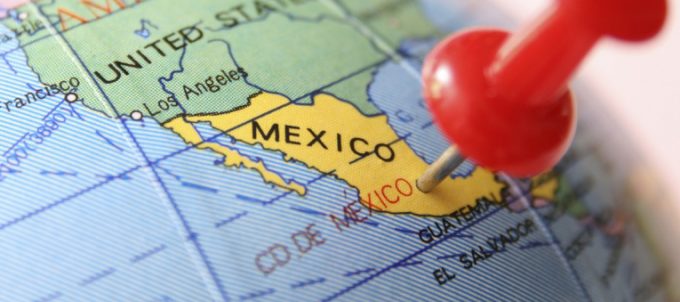
Inconsistent enforcement by Mexican authorities of the 33.5% tariffs on China-origin goods is causing customs headaches for the country’s forwarders and shippers when it comes to trading with their northern neighbour.
Mexico upped import tariffs on low-value goods from 19% to 33.5%, arguing that it was a necessary move to protect domestic industries, including footwear and textiles, from imports and transhipment volumes due for onward sale.
ePost Global VP of ecommerce solutions Carlos Barbosa told The Loadstar: “The government tariff push is partly about protecting local manufacturing and partly about increasing tax revenue, which rose roughly 25% from January to August this year.
“We expect that other South American countries to follow suit, investing more in digital customs systems and stricter documentation standards. For sellers, compliance can no longer be an afterthought, it is becoming a competitive differentiator.”
However, that “differentiator” is being undermined by inconsistency in enforcing the tariffs. Mr Barbosa said clients were frequently encountering this on Chinese-origin goods, particularly for products fulfilled and sold from the US.
“In some cases, courier networks are applying the tariff to parcels fulfilled and sold out of the US – even when those goods have already cleared US customs and should qualify under USMCA [US-Mexico-Canada Agreement],” Mr Barbosa added.
“Meanwhile, other logistics channels and brokers allow those same shipments to enter Mexico duty-free under the USMCA’s de minimis thresholds, provided there’s proof that the goods are fulfilled and sold out of the US from inventory already cleared.”
He believes this confusion is linked to how the different networks are interpreting the rules around country-of-manufacture versus those around country-of-shipment.
He noted that sellers fulfilling from US warehouses assumed goods qualified under USMCA, but if the item was manufactured in China, some brokers still treated it as subject to the 33.5% tariff.
He said: “Without a unified standard, sellers face uncertainty about whether to fulfil from the US, Mexico, or elsewhere. This directly impacts delivery speed and cost structure ahead of peak season.”
For uninterrupted access, sign in or sign up to The Daily News, Premium or The Loadstar Enterprise Plan.
Comment on this article