Kuehne + Nagel rolls out cloud-native contract logistics solution
PRESS RELEASE Kuehne+Nagel rolls out cloud-native Contract Logistics solution across over 1,000 sites globally Schindellegi, CH, ...

EXPD: AIRCRAFT ON GROUND SERVICESTSLA: JUST AS VW STRUGGLESBA: NEW BIG ORDERBA: THE ORDERBOOK GROWSPLD: PUSHING FOR A DEAL PLD: TIME TO DEALEXPD: ANOTHER ALL-TIME HIGH CHRW: NEW RECORD DSV: AHEAD OF EARNINGS RELEASE JBHT: NEW HIGHS EVERYWHEREPLD: STRONG DELIVERYJBHT: FAIR-VALUE CONSENSUS ESTIMATE AT ALL-TIME HIGH KNIN: AI TECH ADVANTAGEPLD: TRADING UPDATE ON THE WAY
EXPD: AIRCRAFT ON GROUND SERVICESTSLA: JUST AS VW STRUGGLESBA: NEW BIG ORDERBA: THE ORDERBOOK GROWSPLD: PUSHING FOR A DEAL PLD: TIME TO DEALEXPD: ANOTHER ALL-TIME HIGH CHRW: NEW RECORD DSV: AHEAD OF EARNINGS RELEASE JBHT: NEW HIGHS EVERYWHEREPLD: STRONG DELIVERYJBHT: FAIR-VALUE CONSENSUS ESTIMATE AT ALL-TIME HIGH KNIN: AI TECH ADVANTAGEPLD: TRADING UPDATE ON THE WAY
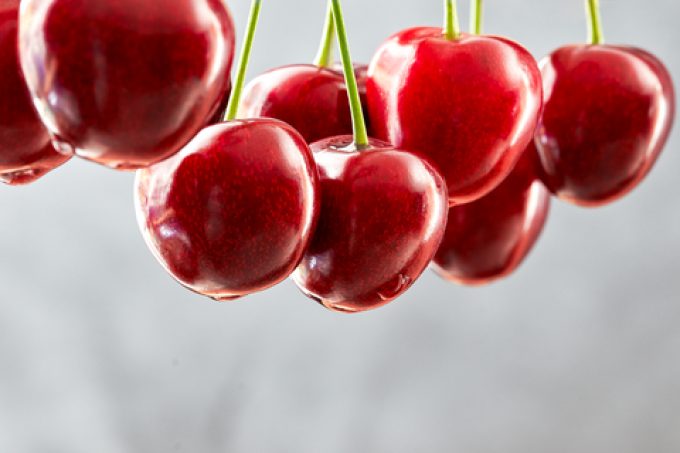
North American cherry exporters and carriers are hoping for a better second part of the season, but Asian markets remain hesitant.
This year it’s a tale of two seasons for cherry exports from the North American west coast. Traditionally one of the annual highlights for airlines, particularly transpacific carriers, the first round of harvesting produced a much diminished crop – as much as 38% lower than last year, according to one report.
“It was the smallest crop in 15 years,” observed Chris Connell, president, perishables North America at Commodity Forwarders, a Kuehne + Nagel company.
The state of Michigan, traditionally the leading US production area of tart cherries, saw a 41% drop in output. Utah also reported a smaller tart cherry crop this year.
In the main the poor crop was the result of adverse weather conditions. It is unclear in how far Washington’s drive to arrest and deport undocumented foreign workers may have contributed to the problem. A recent report by Reuters cited farm workers in California stating that as many as 70% of workers failed to show up for work in order to evade Immigration and Customs Enforcement raids, resulting in unpicked fruit and vegetables left to rot in the fields.
Los Angeles has more transpacific airfreight capacity than San Francisco, but the low volumes made it challenging to fill trucks to the former early on, Mr Connell remarked. Hence a larger share of the volume was flown out of San Francisco.
Airfreight capacity was lower than expected, chiefly because the hit on ecommerce from the end of de minimis exemption prompted numerous transpacific freighter cancellations – flights that would have picked up cherries on the return to Asia, Mr Connell observed.
Ocean transport seemed a somewhat questionable alternative. The recent annual meeting of the Agriculture Transportation Coalition featured several speakers who lamented poor reliability as a result of tight port and vessel capacity.
The onset of the cherry season in the Pacific northwest region has been more promising than the California crop, producing significantly better volumes, according to Mr Connell. The National Ag Statistics Service reported a 4% rise in sweet cherry output year on year – the largest crop since 2017. In the US cherry prices have fallen for weeks, indicating ample volumes for the domestic market.
Airfreight capacity to Asia has been adequate, with the lion’s share of cherries moving out of Seattle and Vancouver and overflow trickling to San Francisco, Mr Connell reported.
However, demand in Asia has not been as robust as hoped for, notwithstanding some favourable exchange rate moves. This has not been the result of individual national markets showing significant swings; the slow demand has been across the board, from Japan and Korea to China, Mr Connell said.
“It’s not a point of a single tariff or a single exchange rate. There is overall gloom in overseas markets,” he commented. “Everyone is still buying, but they are more conservative on volume.”
He finds it too early to judge if recent market developments constitute a one-off phenomenon or the beginning of a new trend.
“We need more certainty, especially around tariffs. It’s hard to plan for everybody at the moment,” he said.
President Trump recently stated that there would be no further extension of the current tariff pause. The US government has pushed for increased access for US produce to Asian markets and Brazil. In mid-June the Department of Agriculture announced agreements with Thailand and Vietnam for expanded access. The former agreed to take more citrus fruit and apples, while Vietnam has lowered trade barriers for US stone-fruit, chiefly peaches and nectarines.
For uninterrupted access, sign in or sign up to The Daily News, Premium or The Loadstar Enterprise Plan.
Comment on this article