Ocean spots and demand hold steady, but waves may be building
Container freight spot rates on the transpacific and Asia-Europe trades showed moderate gains this week, ...


VW: THE LAST CUT IS THE DEEPESTJBHT: GEARING UP VW: BUYING TIMER: BIG VOTE OF CONFIDENCEAAPL: BEARISH HEDGEYE AAPL: THE BEAR CASEFDX: LIFE SCIENCES ORG UNVEILEDWTC: UPS AND DOWNSWTC: ASX ANNOUNCEMENT REGARDING DSV PARTNERSHIP VW: D-DAYPLD: KEEP PUSHINGDHL: NEW AIR SERVICEDHL: GUIDANCE UPGRADE REACTION
VW: THE LAST CUT IS THE DEEPESTJBHT: GEARING UP VW: BUYING TIMER: BIG VOTE OF CONFIDENCEAAPL: BEARISH HEDGEYE AAPL: THE BEAR CASEFDX: LIFE SCIENCES ORG UNVEILEDWTC: UPS AND DOWNSWTC: ASX ANNOUNCEMENT REGARDING DSV PARTNERSHIP VW: D-DAYPLD: KEEP PUSHINGDHL: NEW AIR SERVICEDHL: GUIDANCE UPGRADE REACTION
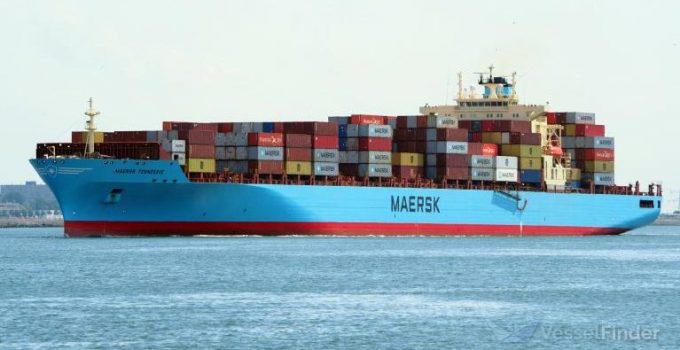
Shippers and consignees whose shipments are traditionally routed through the Suez Canal can expect longer transit times for an extended period, as carriers have announced new schedules.
In a customer advisory this morning, Maersk Line reveals it has redirected every sailing on its Asia-Europe and Middle East-Europe services to go via the Cape of Good Hope through to mid-February.
For its eight Asia-Europe services and three Middle East-Europe sailings, this means every voyage from now until the onset of Chinese New Year on 10 February will suffer extended transit times of 10-14 days.
It has also diverted its four Asia-North America east coast services, that usually transit via Suez, around the Cape of Good Hope for the same period, extending transit times by about a week.
Meanwhile, the three other Asia-North America east coast services in Maersk’s network will continue to transit via the Panama Canal.
Carriers that had been using Suez on backhaul Asia-North America east sailings to avoid congestion at the Panama Canal, where low water levels have limited the number of daily transits, have also diverted ships to sail via the Cape of Good Hope.
An advisory from Hapag-Lloyd showed that, on THE Alliance’s Asia-North America EC2 loop, just one sailing out of eight would maintain a Panama transit, with the Unayzah Express due to pass through the Central America isthmus on 28 December.
However, the situation in the Red Sea region remains highly fluid and, if the security situation improves, services may adjust accordingly, as Maersk noted today: “These are qualified estimates but are subject to change based on specific contingency plans that may be formed over the coming days.”

For uninterrupted access, sign in or sign up to The Daily News, Premium or The Loadstar Enterprise Plan.
Comment on this article