OX: Hormuz good and bad; freight rates' eternal tango; rebuilding the UK
Waiting for the green light again…

UPS: REMEMBER THE TAILWINDS PLD: OUCHVW: NEW PARTNERS SOUGHTEXPD: AIRCRAFT ON GROUND SERVICESTSLA: JUST AS VW STRUGGLESBA: NEW BIG ORDERBA: THE ORDERBOOK GROWSPLD: PUSHING FOR A DEAL PLD: TIME TO DEALEXPD: ANOTHER ALL-TIME HIGH CHRW: NEW RECORD DSV: AHEAD OF EARNINGS RELEASE JBHT: NEW HIGHS EVERYWHEREPLD: STRONG DELIVERYJBHT: FAIR-VALUE CONSENSUS ESTIMATE AT ALL-TIME HIGH
UPS: REMEMBER THE TAILWINDS PLD: OUCHVW: NEW PARTNERS SOUGHTEXPD: AIRCRAFT ON GROUND SERVICESTSLA: JUST AS VW STRUGGLESBA: NEW BIG ORDERBA: THE ORDERBOOK GROWSPLD: PUSHING FOR A DEAL PLD: TIME TO DEALEXPD: ANOTHER ALL-TIME HIGH CHRW: NEW RECORD DSV: AHEAD OF EARNINGS RELEASE JBHT: NEW HIGHS EVERYWHEREPLD: STRONG DELIVERYJBHT: FAIR-VALUE CONSENSUS ESTIMATE AT ALL-TIME HIGH
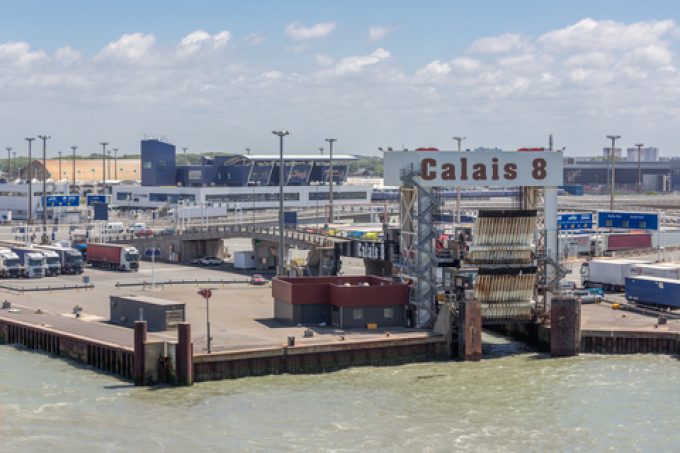
Following France’s abolition of Regime 42 for non-EU businesses, UK shippers and freight forwarders are increasingly turning to DAP (Delivered at Place) 42 terms to bypass challenges.
The French Customs Procedure Code Regime 42 changes that took effect on 1 January have affected UK exporters that use France as their entry point into the EU, particularly on DDP (Delivered Duty-paid) shipments. UK exporters that ship DDP can no longer use a fiscal reps VAT number, and need to register for VAT themselves in France.
Groupe BBL’s head of UK, Gareth Godber, told The Loadstar: “The main challenges are obtaining a French VAT registration and then managing that VAT number monthly. Many businesses have faced redesigning how they export / import goods in fear of EU buyers purchasing goods elsewhere.
“We have also seen companies changing the incoterms in which they export goods to the EU, from DDP to DAP, due to a lack of knowledge and potential solutions available.”
Groupe BBL’s solutions centre around DDP Regime 40 and DAP Regime 42. Mr Godber said one of the key differences using Regime 40 meant only one VAT registration in France, allowing a UK company to sell in all EU 27 countries.
On DAP Regime 42, he said: “We had to find a compliant and competitive way to service clients that didn’t want their own French VAT registration, but still wanted all the benefits. This is where BBL went to market with DAP R42.
“Instead of representing the UK exporter, we now represent the EU importer under DAP R42.”
This allows customers to still clear in France and benefit from no T1 documents or VAT outlay, a centralised clearance point in France and any duty/tax applicable billed back to UK.
Davies Turner’s head of sales and development southwest, Edward Lucy, told The Loadstar, “DAP Regime 42 has been pushed a lot, and the industry has picked up on it. DAP Regime 42 is the preferred method from the perspective of the shipper because it is cheaper, de-risks things and they don’t have to get involved in VAT or be named on customs entries (they are still involved in the entry).”
However, he emphasised that it was important to offer shippers options. Others include standard DAP, DDP Regime 40, and DDP VAT Forward.
Mr Lucy said some of the companies most affected by the changes were the smaller ones. He added: “Bigger companies absorb and make things work. It is harder for the smaller companies as they have to get to grips with it and don’t have enough time. It’s a lot more complex than it sounds due to the accompanying risk.”
Meanwhile, Pawel Jarza, policy, compliance and external affairs director at BIFA, looked back to the regime changes in January and recalled: “This change was announced relatively late in the day, and it did cause a bit of confusion. We had more inquiries from members, and we tried to educate them as much as we could at that point.”
He noted that the market had appeared to settle down after a transition period. In his opinion, other customs authorities in the EU might look at their procedures, tying into the current EU customs reforms.
“It depends on what the EU does with its customs reforms and how this changes the landscape. New solutions might appear and this particular regime may morph into something different, but this is long term.”
Elsewhere, Mr Godber believes that over the next three to five years, the DDP market will be characterised by factors including greater use of digital customs and VAT solutions, an increased confidence among EU customers buying from UK suppliers and a smaller number of providers offering DDP, but with higher levels of expertise and service quality.
He added: “In many respects, the DDP Regime 42 changes are raising the bar rather than closing the door. Businesses that adapt early are well positioned to differentiate themselves, deepen customer relationships and capture opportunities as competitors retreat.”
Watch the latest episode of The Loadstar Podcast to understand El Nino and how it will impact shipping:
For uninterrupted access, sign in or sign up to The Daily News, Premium or The Loadstar Enterprise Plan.
Comment on this article